
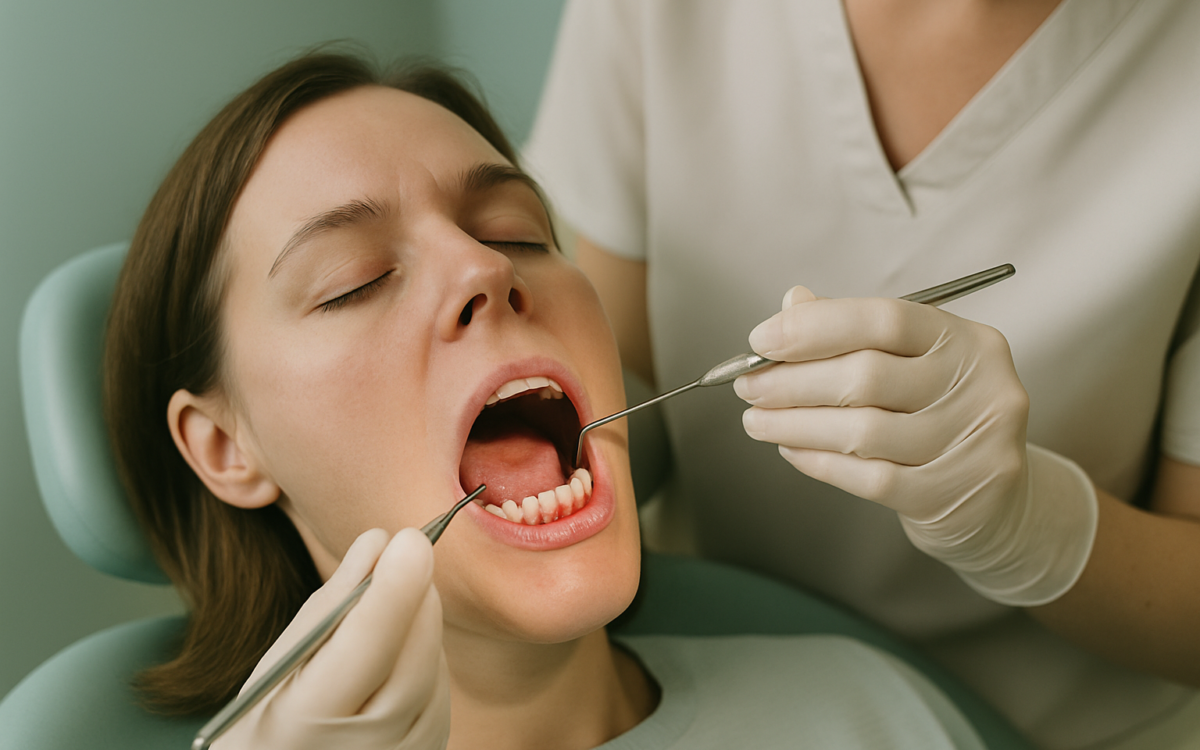
Have you ever noticed your gums bleeding after brushing or felt pain when eating? These could be signs of severe gum problems that need attention. Understanding the causes, symptoms, and treatments can empower you to take control of your oral health.
What Are Severe Gum Problems?
Severe gum problems encompass a range of issues, primarily gum disease, that can significantly impact oral health. The two most common forms of gum disease are gingivitis and periodontitis. While gingivitis is an early stage, periodontitis represents more advanced disease that can lead to tooth loss and other health complications.
Causes of Severe Gum Problems
Several factors can lead to severe gum issues. Here are some common culprits:
- Poor Oral Hygiene: Inadequate brushing and flossing can allow plaque buildup, causing inflammation and infection.
- Tobacco Use: Smoking or chewing tobacco significantly increases the risk of gum disease.
- Hormonal Changes: Fluctuations during puberty, menstruation, pregnancy, or menopause can make gums more sensitive.
- Medical Conditions: Diseases such as diabetes and HIV/AIDS can impair the body’s ability to fight infections.
- Medications: Certain medications can cause dry mouth or gum overgrowth, contributing to gum issues.
- Poor Nutrition: A diet low in vitamins, particularly vitamin C, can negatively affect gum health.
Recognizing Symptoms of Severe Gum Problems
Being aware of the signs may help you address gum problems early. Common symptoms include:
- Swollen, red, or tender gums
- Gums that bleed during or after brushing
- Persistent bad breath
- Loose teeth or teeth that have shifted
- Pus between teeth and gums
- Change in the way teeth fit together when biting
If you experience these symptoms, it may indicate that your gum health has significantly deteriorated, and it’s time to take action.
Impact of Severe Gum Problems
Ignoring severe gum problems can have consequences beyond oral health. Research indicates a link between periodontal disease and other systemic conditions like cardiovascular disease, diabetes, and respiratory issues. According to the National Institutes of Health, bacteria from infected gums can enter the bloodstream and affect other parts of the body, complicating existing health issues.
Treatment Options for Severe Gum Problems
Treating severe gum problems often involves a combination of professional dental care and at-home practices. Here’s what you might expect:
1. Professional Cleaning
Your dentist may recommend a deep cleaning procedure known as scaling and root planing to remove plaque and tartar from beneath the gum line. This helps to reduce inflammation and infection.
2. Medications
Antibiotics may be prescribed to combat bacterial infections, either as mouth rinses or oral tablets. In some cases, antimicrobial gels may be applied directly to the gums.
3. Surgery
In advanced cases, surgical options like flap surgery or bone grafts may be necessary to restore gum health and prevent tooth loss.
4. At-Home Care
Maintaining good oral hygiene is crucial. Brush your teeth twice a day with fluoride toothpaste and floss daily to remove food particles and plaque. Consider using an antibacterial mouthwash to help reduce bacteria in your mouth.
Preventing Severe Gum Problems
Preventing gum disease is often easier than treating it. Here are some tips to keep your gums healthy:
- Brush your teeth twice daily for two minutes each time.
- Floss daily to remove plaque from between your teeth.
- Visit your dentist regularly for check-ups and cleanings.
- Avoid tobacco products to help protect your gum health.
- Maintain a balanced diet rich in vitamins and minerals.
- Manage chronic health conditions, such as diabetes, that can impact your gums.
When to See a Doctor
If you notice any symptoms of severe gum problems, it’s important to see a dentist promptly. Early intervention can make a difference in preventing further complications and restoring gum health. Pay attention to changes in your mouth, and don’t hesitate to seek professional help if things don’t seem right.
Conclusion
Severe gum problems can affect not only your dental health but your overall well-being as well. By understanding the causes, recognizing the symptoms, and pursuing proper treatment, you can significantly improve your oral health. Remember, maintaining good oral hygiene and regular dental visits play a critical role in preventing these issues from arising in the first place.
