
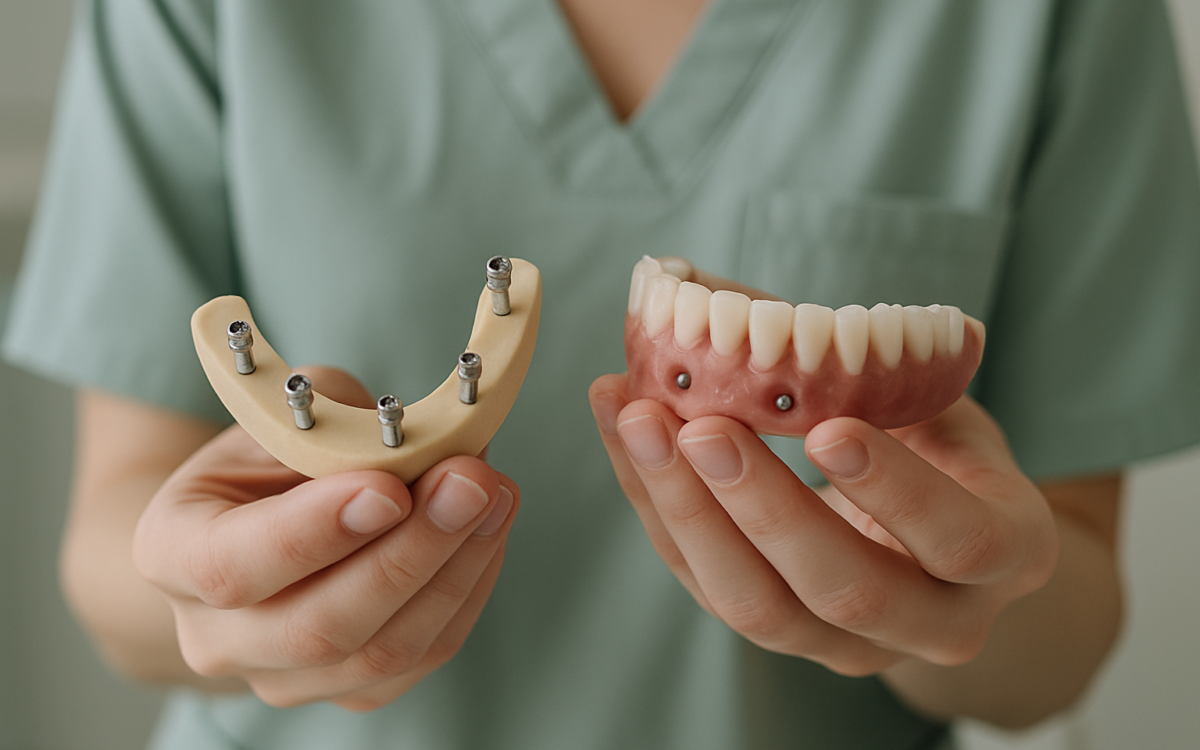
For many people who have lost teeth, the thought of getting implants brings hope. Traditional dental implants have transformed countless smiles, yet they come with a range of considerations and costs. Enter snap-on dental implants, an innovative solution that merges the benefits of implants with more convenience and affordability. This article will explore what snap-on dental implants are, their advantages and disadvantages, and what you can expect from the process.
What Are Snap-On Dental Implants?
Snap-on dental implants are a type of implant-supported denture, allowing wearers to easily attach and detach their prosthetic teeth. They utilize a series of implants embedded in the jawbone, which serve as anchors. These implants then connect to a partial denture that can be snapped on and off with ease.
This solution is particularly beneficial for those who may have experienced significant tooth loss or cannot afford traditional full-arch implants. It aims to provide stability, ease of use, and a more natural feel when eating and speaking.
Benefits of Snap-On Dental Implants
The appeal of snap-on dental implants lies in several advantages:
- Affordability: Compared to full dental implants, snap-on implants are generally more cost-effective, making them an accessible solution for many.
- Ease of Use: The ability to remove the denture for cleaning and maintenance simplifies oral hygiene.
- Stability: Unlike traditional dentures that can slip or shift, snap-on implants are securely anchored, providing better chewing efficiency and speech clarity.
- Less Invasive: The process usually requires fewer surgical interventions than full-arch implants, potentially making recovery quicker and less complicated.
Disadvantages to Consider
While snap-on dental implants have a lot to offer, they also have some drawbacks that need to be weighed:
- Not for Everyone: Suitable candidates typically have sufficient bone density for implant placement. Some individuals may not qualify due to medical conditions or insufficient bone structure.
- Limitations in Customization: Snap-on dentures might not provide the same level of customization as full dental implants. This can affect both aesthetics and comfort.
- Maintenance Required: While they are removable for cleaning, maintaining the health of the underlying implants is essential to prevent complications.
The Procedure: What to Expect
If you’re considering snap-on dental implants, understanding the process can help alleviate some concerns:
Initial Consultation
Your journey begins with a thorough consultation with a dental professional. They will assess your oral health, the condition of your jawbone, and discuss your options. Diagnostic imaging may be needed to better understand your bone structure.
Placement of Implants
Once deemed a suitable candidate, the dentist will perform a surgical procedure to place the implants into your jawbone. This process usually requires local anesthesia and may take a couple of hours.
Healing Period
After surgery, a healing period is necessary. The implants must fuse with the jawbone in a process called osseointegration, which can take several weeks to months. During this time, your dentist may provide a temporary tooth solution.
Attaching the Denture
Once healing is complete, your custom denture will be made. You’ll then return to the dental office to attach your prosthetic teeth to the implants. They should snap into place securely and comfortably.
Oral Care with Snap-On Dental Implants
Caring for your snap-on dental implants is crucial for long-term success. Here are some tips for maintaining good oral hygiene:
- Brush and floss daily, including cleaning around the implants.
- Remove the denture at night to give your gums a chance to rest.
- Attend regular dental check-ups to ensure everything is functioning correctly.
- Be mindful of the foods you consume to avoid putting undue pressure on the implants.
When to See a Doctor
If you experience pain, swelling, or any unusual symptoms around your dental implants, it’s essential to consult your dentist immediately. Early intervention can prevent complications and ensure the longevity of your dental work.
Conclusion
Snap-on dental implants offer a unique blend of convenience and stability for those looking for an alternative to traditional dentures. By understanding the benefits and challenges, potential candidates can make informed decisions about their dental health. Always consult with a qualified dental professional to explore if this option is right for you and to ensure the best possible care for your smile. For more information, you can visit Mayo Clinic or NIH.
