
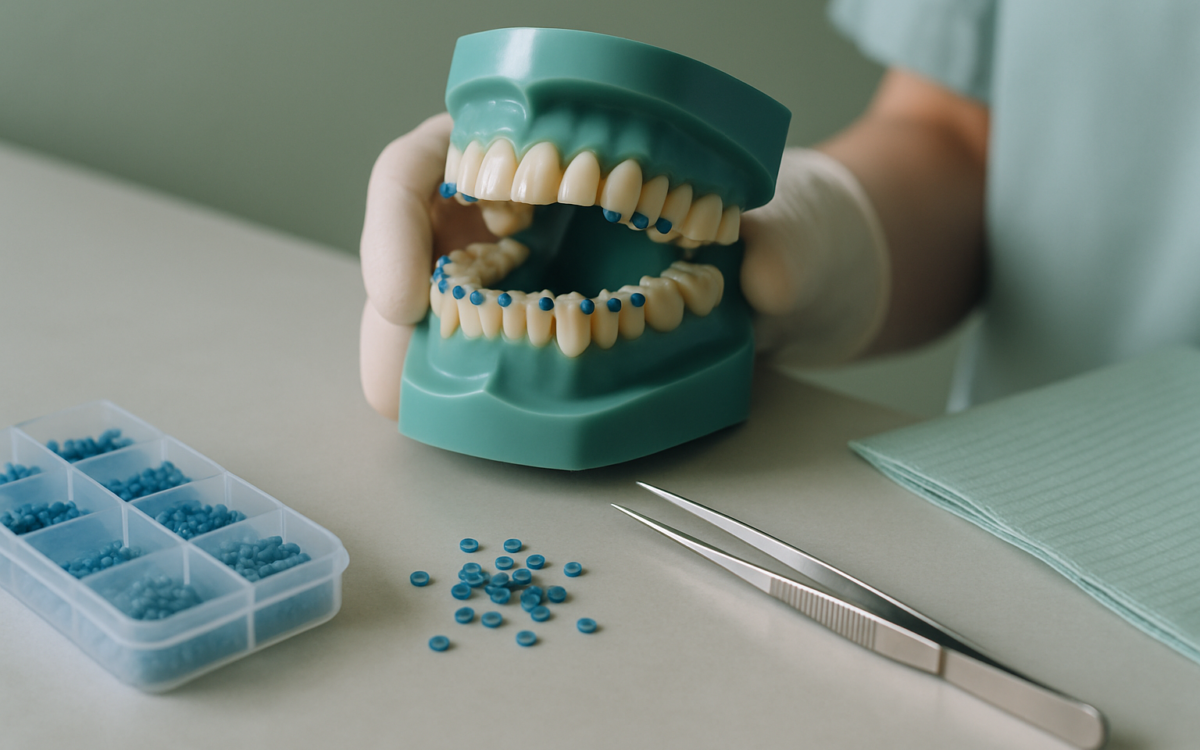
Many parents and guardians may first encounter the term “spacers for teeth” when their child visits the orthodontist. These small devices play a pivotal role in paving the way for braces and ensuring the best alignment for permanent teeth. But what exactly are they, and why are they necessary?
What Are Spacers?
Dental spacers, often referred to as orthodontic separators, are small rubber or plastic devices placed between two teeth. Their primary purpose is to create space for future dental work, often needed before braces are applied. These devices can be crucial in ensuring adequate room for teeth to move into their desired positions without overcrowding.
How Do Spacers Work?
Spacers work by gently pushing apart the teeth they are placed between. The process begins with the orthodontist examining the patient’s teeth and determining the necessary adjustments for optimal alignment. Once the spacers are in place, they can create a small gap over the span of several days or weeks, depending on the individual case.
The Placement Process
The process of placing spacers is straightforward. The orthodontist will:
- Clean the teeth to ensure a good fit.
- Use a thin instrument to apply the spacer between the targeted teeth.
- Provide care instructions and schedule a follow-up appointment.
This procedure may create some mild discomfort, but most patients tolerate it well. Over-the-counter pain relievers can help if necessary.
Types of Spacers
There are generally two types of spacers used in orthodontics:
- Elastic Spacers: These are made of rubber and are the most common type of spacer. They come in various sizes and are inserted between molars to create an adequate gap for the future installation of bands.
- Metal Spacers: Also known as bands, these are small metal rings that are cemented onto the teeth. They are used when more durability is required, especially in cases where heavy-duty orthodontic work is needed.
Why Are Spacers Important?
Spacers play an essential role in the orthodontic process for several reasons:
- Space Creation: They ensure there is enough room for the orthodontic bands or brackets needed for braces.
- Prevention of Overcrowding: By facilitating space, spacers prevent future problems associated with tooth crowding.
- Facilitating Tooth Movement: Proper spacing allows teeth to move into their ideal positions more effectively.
Potential Discomfort and How to Manage It
After placement, many patients report some degree of discomfort or pressure in their teeth. This is normal and will usually subside within a few days. To minimize potential discomfort, here are a few management tips:
- Stick to soft foods that won’t aggravate sensitivity.
- Over-the-counter pain relievers, such as ibuprofen, can alleviate discomfort.
- Maintain good oral hygiene to prevent irritation and infections.
Aftercare for Dental Spacers
Proper aftercare is crucial to ensure the effectiveness of spacers. Here are some key care tips:
- Maintain Oral Hygiene: Brushing and flossing are vital to prevent food particles from getting stuck around the spacers.
- Avoid Sticky Foods: Foods like caramel or taffy can dislodge or damage the spacers.
- Attend Follow-up Appointments: Regular visits to the orthodontist are necessary to monitor progress and make adjustments as needed.
When to See a Doctor
If you experience significant pain or notice that a spacer has come out, it’s important to contact your orthodontist. Additionally, if there are signs of infection, such as swelling or pus, you should seek care promptly. According to the CDC, oral health issues can escalate quickly, so staying attentive to changes is crucial.
Conclusion
Spacers for teeth may seem like a small component in the larger picture of orthodontic treatment, but they are essential for achieving a well-aligned smile. Understanding their role, purpose, and care can help demystify the orthodontic journey. Always consult with your orthodontist to address any specific questions or concerns to ensure the best outcome for your dental health.
