
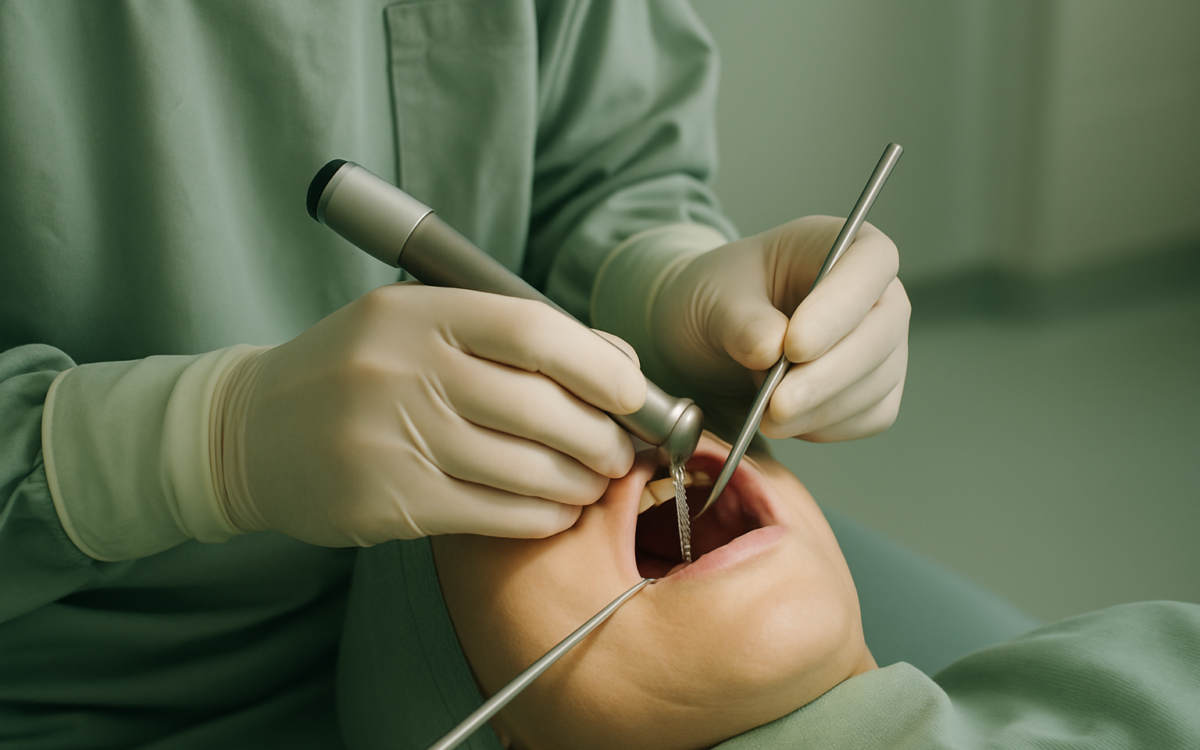
Life can change dramatically when you lose a tooth. Whether it’s from an accident, disease, or decay, missing teeth can affect your confidence, ability to eat, and overall oral health. Thankfully, surgical dental implants provide a solution that can restore both function and aesthetics, making them an appealing choice for many individuals.
What are surgical dental implants?
Surgical dental implants are small posts made of titanium or other materials that are surgically placed into the jawbone to serve as a foundation for artificial teeth. These implants act like tooth roots, providing a strong and stable base for crowns, bridges, or dentures. Once healed, implants can significantly improve oral health and quality of life.
How the surgical dental implant procedure works
The implant process typically involves several steps:
- Consultation: The first step is to meet with a dental professional who will evaluate your oral health. They may use imaging techniques like X-rays to determine bone quality and structure.
- Implant placement: In a surgical setting, the dentist will place the titanium implant into the jawbone. This procedure usually requires local anesthesia.
- Healing period: After the implant is placed, a healing period of several months is necessary. During this time, the jawbone fuses with the implant in a process called osseointegration.
- Abutment placement: After healing, a small connector piece called an abutment is attached to the implant. This will hold the final restoration in place.
- Final restoration: Finally, the dentist will attach a custom-made crown or other prosthetic to the abutment, completing the process.
Benefits of surgical dental implants
Surgical dental implants offer numerous advantages:
- Durability: Implants are designed to last, often for decades, making them a long-term solution.
- Improved functionality: With implants, you can eat, speak, and smile naturally again, restoring your confidence.
- Bone preservation: Implants help preserve jawbone density, minimizing further tooth loss and maintaining facial structure.
- Natural appearance: Modern dental implants look and feel like natural teeth, blending seamlessly with your smile.
Risks and complications
While surgical dental implants are safe for most individuals, it’s important to be aware of potential risks and complications:
- Infection: As with any surgery, there’s a risk of infection at the implant site.
- Nerve damage: If the nerve is located near the implant site, there’s a possibility of nerve damage, leading to numbness or pain.
- Sinus issues: For upper jaw implants, improper placement could potentially lead to sinus problems.
Monitoring your oral hygiene and following post-operative care instructions can help minimize many of these risks.
Recovery after dental implant surgery
Recovery from surgical dental implants typically involves a few important steps:
- Follow post-op care: Your dentist will provide specific care instructions. Following them closely is vital for proper healing.
- Manage discomfort: Use over-the-counter pain relievers as needed, and apply ice packs to reduce swelling.
- Watch your diet: Stick to soft foods in the days following surgery to avoid any undue stress on the implant site.
- Maintain oral hygiene: Keep the surgical area clean, but be gentle when brushing and flossing around the implant.
Most patients can return to normal activities within a few days, although complete healing may take several months.
Maintaining your surgical dental implants
Long-term success with surgical dental implants hinges on proper care and maintenance:
- Oral hygiene: Maintain a regular routine of brushing twice a day and flossing. Consider using an antibacterial mouthwash to keep the area clean.
- Regular check-ups: Schedule regular dental visits for cleanings and check-ups, allowing your dentist to monitor the health of your implants.
- Avoid harmful habits: Habits like smoking can affect healing and implant success. Reducing or quitting smoking can greatly improve outcomes.
By taking care of your implants, you can enjoy their benefits for many years.
When to see a doctor
If you experience severe pain, swelling that worsens after a few days, or abnormal bleeding at the implant site, contact your dentist promptly. Timely intervention can prevent complications and ensure successful healing.
In conclusion, surgical dental implants are a highly effective solution for individuals facing tooth loss. Understanding the procedure, benefits, and proper care can help you make informed decisions about your dental health. Always consult with a qualified dentist to discuss your specific needs and options.
