
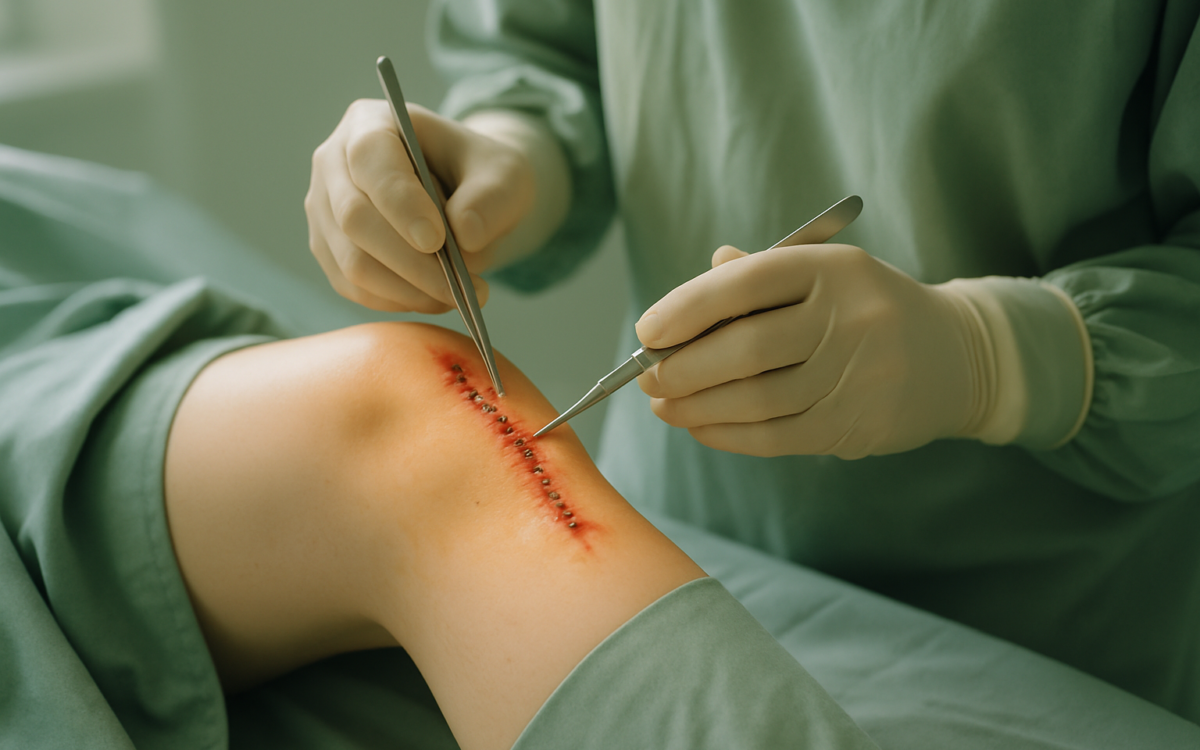
Dealing with knee pain can be a frustrating experience, especially if it affects your daily activities. For many, surgical options become a necessary consideration when conservative treatments fail. Understanding the reasons, types, and recovery involved in surgical knee procedures can empower you to make informed decisions about your health.
What is a Surgical Knee Procedure?
A surgical knee procedure typically refers to any operation performed on the knee joint. This can range from minimally invasive arthroscopic surgeries to full knee replacements. The goal is to alleviate pain, restore function, and enhance the quality of life for individuals suffering from various knee conditions.
Types of Surgical Knee Procedures
There are several types of surgical knee procedures, each designed to address specific issues.
Knee Arthroscopy
Knee arthroscopy is a minimally invasive surgery where a small camera (arthroscope) is inserted into the knee through tiny incisions. This procedure allows surgeons to diagnose and treat problems such as torn cartilage or ligaments. Recovery typically involves less pain and a shorter rehabilitation period compared to more invasive surgeries.
Partial Knee Replacement
In cases where only one compartment of the knee is damaged, a partial knee replacement may be recommended. This surgery involves removing the damaged cartilage and bone from that specific area and replacing it with artificial components. It offers quicker recovery times than total knee replacements and preserves more natural knee function.
Total Knee Replacement
For individuals with severe arthritis or significant knee damage, a total knee replacement (TKR) may be the best option. TKR surgery removes damaged bone and cartilage, replacing them with an artificial joint. Recovery can take time, often requiring weeks of physical therapy to regain strength and mobility.
Benefits of Surgical Knee Procedures
Surgical knee procedures offer numerous benefits for patients. These include:
- Pain relief: Surgical intervention can significantly reduce chronic knee pain caused by arthritis or injuries.
- Improved mobility: Many patients experience enhanced mobility and range of motion after surgery.
- Increased quality of life: Reduced pain and improved functioning can lead to a more active lifestyle, enhancing overall well-being.
Risks and Considerations
While surgical knee procedures are generally safe, they do carry risks, like any surgery. Possible complications include:
- Infection at the surgical site
- Blood clots
- Nerve damage
- Persistent pain or stiffness
Before deciding on surgery, a thorough discussion with your healthcare provider about the potential risks and benefits is essential. Each individual’s situation is unique, and your doctor will help you weigh your options based on your specific condition.
Recovery After Surgery
The recovery process after a surgical knee procedure can vary depending on the type of surgery performed. Generally, here’s what you can expect:
- Initial Recovery: After surgery, you’ll likely spend some time in the hospital for monitoring. Pain management is a key focus during this phase.
- Physical Therapy: Most patients begin rehabilitation shortly after surgery. Physical therapy is crucial for regaining strength, flexibility, and function.
- Gradual Return to Activities: You’ll gradually return to your daily activities, but this timeline varies significantly. Full recovery can take several months, particularly for total knee replacements.
Patience is essential during the recovery period. Adhering to your rehabilitation plan and attending follow-up appointments can play a significant role in ensuring a successful outcome.
When to See a Doctor
After surgery, it’s important to monitor how your knee is healing. Contact your healthcare provider if you experience:
- Increased pain or discomfort not relieved by prescribed medications
- Swelling that does not decrease over time
- Fever or signs of infection, such as redness and warmth around the surgical site
- Any issues with mobility or function that concern you
Conclusion
Surgical knee procedures can be life-changing for individuals suffering from chronic knee pain or injuries. By understanding the different types of surgeries, their benefits and risks, and the recovery process, you can approach this important healthcare decision with greater confidence. Remember, consulting with your healthcare professional is crucial in determining the best option tailored to your needs. Make sure to stay informed and proactive about your knee health!
