
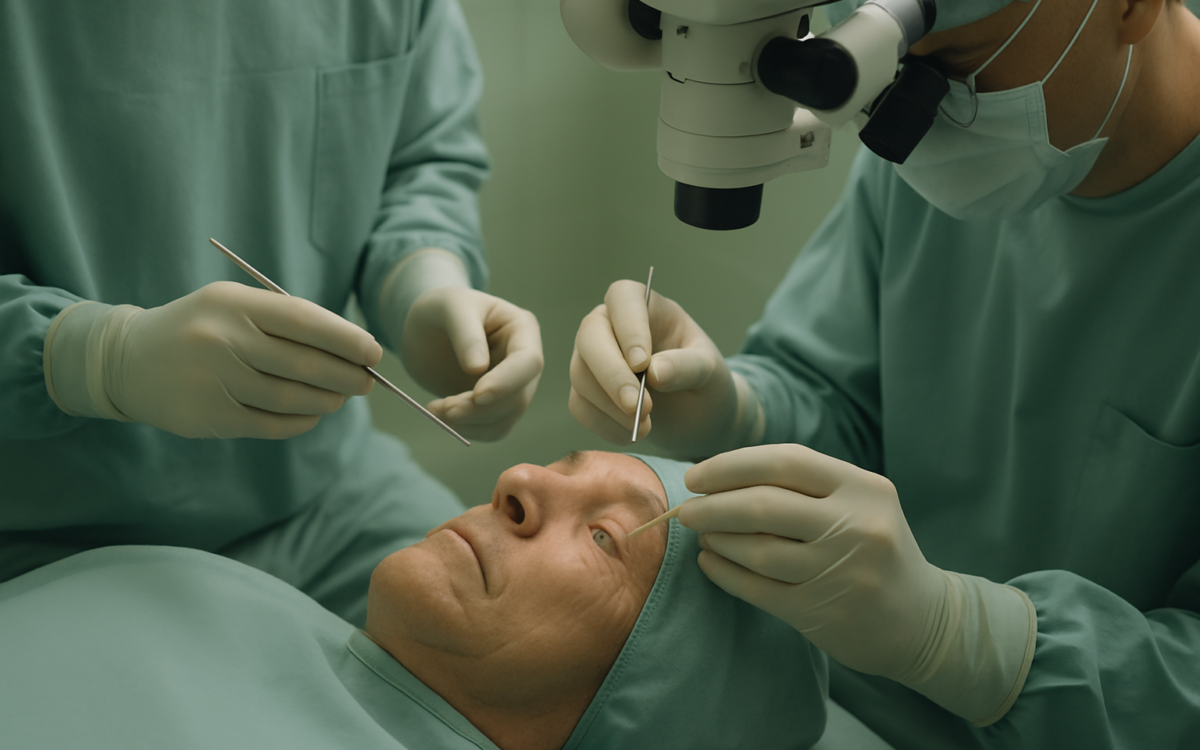
Cataracts are a common eye condition, especially among older adults. They can cloud your vision and make it difficult to perform everyday activities. Fortunately, surgical procedures for cataracts have become safe, effective, and routine over the years. In this article, we will delve into the types of cataract surgery, the preparation involved, the recovery process, and much more. Your journey toward clearer vision starts here.
What Are Cataracts?
Cataracts occur when the natural lens of the eye becomes cloudy. This usually develops slowly over time and can result in blurred vision, difficulty with night vision, and the fading of colors. According to the National Institutes of Health, cataracts affect more than half of all Americans by age 80. Identifying cataracts early can help manage symptoms effectively, but surgical intervention may be required for significant impairments.
Types of Surgical Procedures for Cataracts
When it comes to treating cataracts, surgery is the most effective solution, especially when cataracts interfere with daily life. There are two main types of cataract surgery:
1. Phacoemulsification
Phacoemulsification is the most common type of cataract surgery. In this minimally invasive procedure, the surgeon makes a tiny incision in the eye and uses ultrasound waves to break up the cloudy lens into tiny pieces. These pieces are then gently removed. Afterward, an artificial lens, called an intraocular lens (IOL), is implanted to restore clear vision.
2. Extracapsular Surgery
Extracapsular cataract surgery is another option, more commonly used for advanced cataracts. In this procedure, the surgeon makes a larger incision and removes the lens in one piece, allowing for less ultrasonic energy use. Like phacoemulsification, an IOL is also placed afterward. While it may involve a longer recovery time compared to phacoemulsification, it can be necessary for certain cases.
Preparing for Cataract Surgery
Preparation for cataract surgery often begins with a thorough eye examination. Your doctor will evaluate the type and severity of your cataracts and determine the best surgical approach. Some common steps you might encounter in preparation include:
- Discussion of your medical history and current medications
- Assessment of your vision and the cataract’s impact on your daily life
- Choosing the type of IOL that is best suited for your needs
- Instructions for fasting on the day of surgery
It is essential to follow any preoperative instructions from your healthcare provider to reduce risks during and after the procedure.
What to Expect During the Procedure
The procedure typically lasts between 30 minutes to an hour and is performed on an outpatient basis, meaning you can go home the same day. Here’s what you can expect:
- Anesthesia: Local anesthesia is used to numb the eye, and you may be given a sedative to help you relax.
- Monitoring: During surgery, your doctor will monitor your heart rate and blood pressure.
- The surgery itself: The surgeon will remove the cloudy lens and place the artificial lens, which is often made of acrylic or silicone.
While many patients report minimal discomfort during the surgery, it’s common to experience some sensations in and around your eye.
Recovery After Cataract Surgery
Recovering from cataract surgery can vary from person to person, but many people notice improved vision within a few days. Here are some general recovery guidelines:
- Follow-up appointments: You will need to see your eye doctor shortly after surgery to check your progress.
- Medication: You may be prescribed eye drops to prevent infection and reduce inflammation.
- Avoiding certain activities: It’s important to refrain from strenuous activities and avoid getting water in your eye during the first week.
Most people resume normal activities within a few days to a week. However, complete healing can take several weeks. During this time, keep an eye out for any signs of complications, such as increased pain or vision loss.
Potential Risks and Complications
Like any surgery, cataract surgery has its risks. While complications are rare, they may include:
- Infection
- Bleeding
- Swelling or inflammation of the eye
- Increased intraocular pressure
- Retinal detachment
Discuss these risks with your doctor to better understand how they may apply to your situation and feel free to ask any questions you may have.
When to See a Doctor
If you experience any sudden changes in your vision, such as flashes of light, increased blurriness, or a sudden pain in your eye, it’s essential to consult your healthcare provider immediately. Regular eye check-ups can also help catch cataracts at their earliest stages.
Conclusion
Cataract surgery is a common and often successful method for restoring vision when cataracts become a hindrance. Understanding the procedures, preparing adequately, and knowing what to expect can help you feel more at ease throughout the process. Always consult your eye care provider for personalized information and follow their advice for the best outcomes.
