
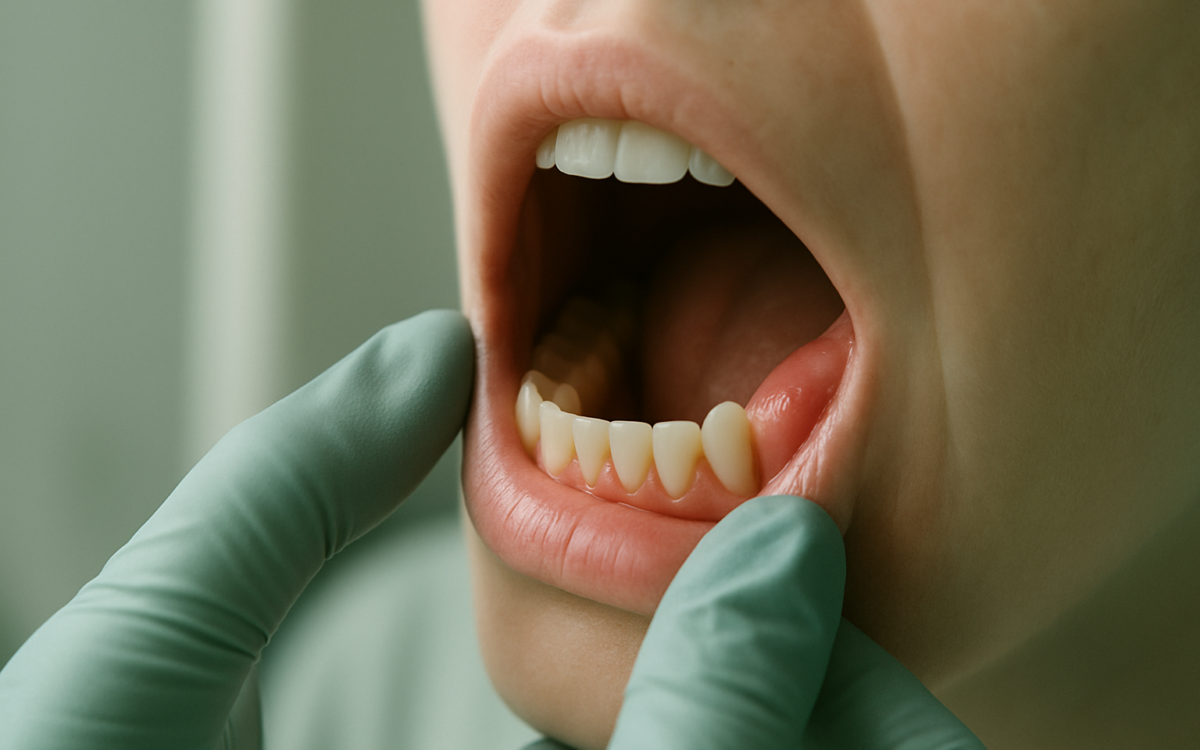
Swollen gums at the back of your mouth can be concerning. Often, they are not just a minor inconvenience but a sign of underlying oral health issues. Understanding the potential causes, symptoms, and treatment options can help you manage this condition effectively.
What Causes Swollen Gums?
Swollen gums can arise from various factors. Some of the most common causes include:
- Poor Oral Hygiene: Inadequate brushing and flossing can lead to plaque buildup, which can irritate the gums.
- Gum Disease: Also known as periodontal disease, this progressive infection can cause gum inflammation and swelling. Early-stage gum disease is called gingivitis, while more advanced stages result in periodontitis.
- Tooth Infection: An abscessed tooth, resulting from bacterial infection, may lead to swollen gums in the affected area.
- Wisdom Teeth: As these molars emerge, they can cause swelling due to pressure on adjacent gums or potential infection.
- Allergies or Irritants: Certain food allergens or irritating substances (like tobacco) can trigger gum swelling.
Symptoms of Swollen Gums
Swollen gums may present with various symptoms, which can include:
- Pain or tenderness in the affected area
- Bleeding gums when brushing or flossing
- Persistent bad breath
- A change in gum color, often appearing red or purple
- A feeling of pressure or full sensation in the mouth
How Is It Diagnosed?
Diagnosing the cause of swollen gums typically involves a visit to your dentist or oral health professional. They may perform:
- Dental Examination: A thorough examination of your gums and teeth is often the first step. Your dentist will look for signs of gum disease or infection.
- X-rays: If there is a suspected tooth infection, your dentist may take X-rays to assess the situation beneath the surface.
- Medical History Review: Your dentist may ask about your dental care routine, diet, and any medications you are taking, as these can influence gum health.
Treatment Options
Treatment for swollen gums at the back of the mouth depends on the underlying cause:
Improving Oral Hygiene
For mild cases caused by poor oral hygiene, simple adjustments can make a significant difference. Regular brushing with fluoride toothpaste, daily flossing, and routine dental check-ups can alleviate and prevent swelling.
Managing Gum Disease
If gum disease is diagnosed, treatment may involve professional dental cleaning to remove tartar and plaque. Your dentist may also recommend an antimicrobial mouth rinse or, in more severe cases, scaling and root planing procedures.
Treating Tooth Infections
If your swollen gums are due to a tooth infection, you may require antibiotics and possibly a dental procedure to address the affected tooth, such as a root canal.
Wisdom Teeth Management
For impacted or infected wisdom teeth, your dentist may suggest extraction to alleviate the swelling and prevent further complications.
Use of Home Remedies
While not a substitute for professional care, some home remedies may provide temporary relief. Warm salt water rinses can help reduce inflammation and promote healing. However, it’s crucial to address the underlying cause with professional treatment.
Preventive Measures
Preventing swollen gums can often be achieved through good oral hygiene practices:
- Brush your teeth twice a day with fluoride toothpaste.
- Floss daily to remove plaque and food particles.
- Schedule regular dental check-ups and cleanings.
- Eat a balanced diet rich in vitamins and minerals.
- Avoid tobacco products and limit sugary foods and drinks.
When to See a Doctor
If you experience persistent swelling, pain, or bleeding in your gums, it’s important to consult a healthcare professional. Symptoms such as fever, swollen lymph nodes, or an unpleasant taste in your mouth can indicate more serious issues that require immediate attention.
Conclusion
Swollen gums in the back of your mouth can result from various factors, ranging from poor oral hygiene to serious infections. Understanding the possible causes and symptoms is essential for effective management. Prioritize your oral health by maintaining good hygiene, attending dental appointments, and seeking professional advice when needed. Remember, your mouth is a vital part of your overall health, so taking care of it can make a significant difference.
