
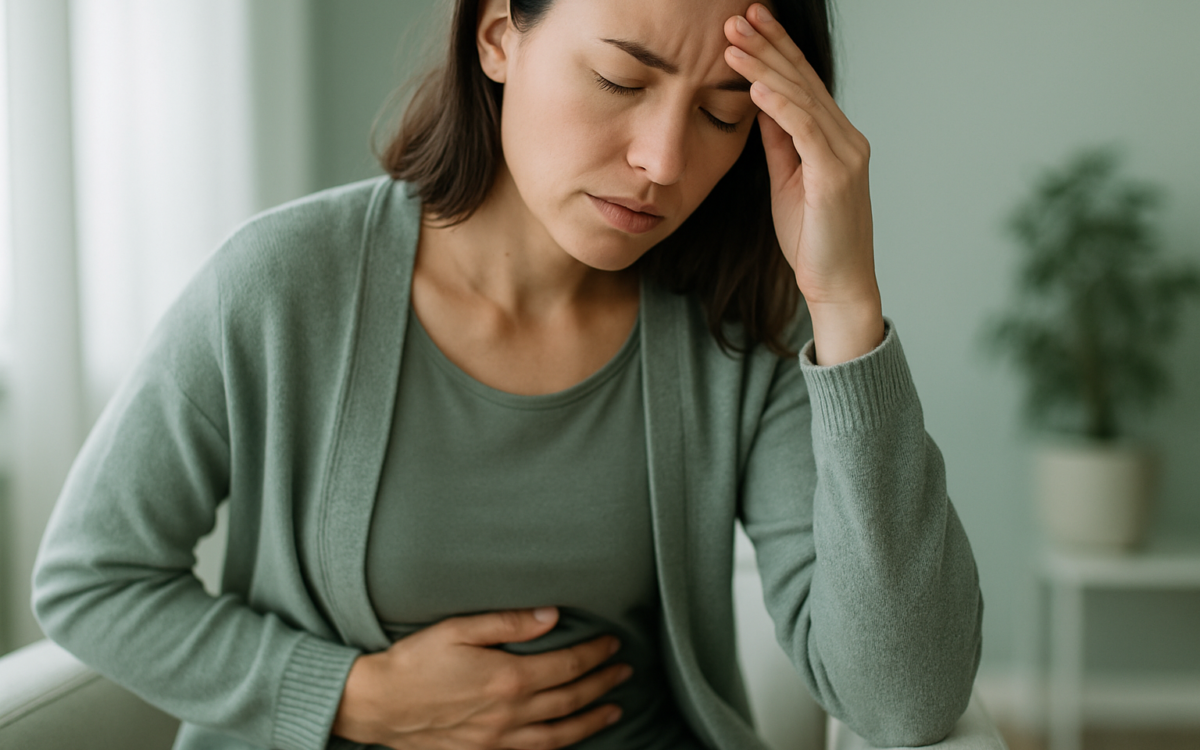
Women often experience a unique set of symptoms related to various health conditions. Recognizing these symptoms can be crucial for timely diagnosis and treatment. This article will help you identify important symptoms in women and understand when to seek medical advice.
Understanding Hormonal Changes
Hormones play a significant role in women’s health, influencing everything from mood to physical well-being. Fluctuations in hormones can cause various symptoms, especially during menstruation, pregnancy, or menopause.
- Premenstrual Syndrome (PMS): Symptoms such as mood swings, bloating, and fatigue are common.
- Menopausal Symptoms: Hot flashes, night sweats, and irregular periods can signal the onset of menopause.
- Pregnancy Symptoms: Nausea, fatigue, and breast tenderness are typical during early pregnancy.
Common Physical Symptoms
Some physical symptoms may signal underlying health issues. Women should monitor their bodies for changes that persist over time.
- Fatigue: While everyone can feel tired, persistent fatigue that interferes with daily life may indicate conditions like anemia or thyroid disorders.
- Breast Changes: Any sudden lump or change in size and shape could be a sign of breast disease, requiring further evaluation.
- Pelvic Pain: Ongoing pelvic pain isn’t normal and might be linked to conditions such as endometriosis or pelvic inflammatory disease.
Mental Health Symptoms
Mental health is as vital as physical health. Women experience unique challenges, which can present as various symptoms.
- Depression: Symptoms may include persistent sadness, loss of interest in activities, and changes in appetite.
- Anxiety: Feelings of worry or excessive fear can disrupt daily life. Physical symptoms like rapid heartbeat may accompany these feelings.
- Postpartum Depression: After childbirth, many women face mood changes that can affect their well-being and parenting.
When Symptoms Warrant Attention
Knowing what symptoms require immediate medical attention can make a difference in health outcomes. Watch for the following red flags:
- Severe Abdominal Pain: Pain that comes on suddenly and is severe could indicate issues like ovarian cysts or ectopic pregnancy.
- Unusual Bleeding: Heavy bleeding between periods or after sex should be evaluated by a doctor.
- Shortness of Breath: Difficulty breathing, especially if sudden, may indicate a serious heart or lung condition.
International Treatment Perspectives
For women exploring health care options abroad, understanding local health practices is essential. Different countries have varied approaches to women’s health. For instance, a clinic like Acibadem International provides comprehensive care that addresses unique women’s health needs, from routine check-ups to specialty treatments.
Chronic Health Conditions Affecting Women
Women are often at risk for certain chronic conditions that can manifest through various symptoms. Awareness is key to early detection.
- Autoimmune Diseases: Conditions such as lupus and rheumatoid arthritis can cause fatigue, joint pain, and more.
- Heart Disease: Symptoms like chest discomfort or shortness of breath can be different in women compared to men. Women may experience nausea or jaw pain.
- Diabetes: High blood sugar can lead to excessive thirst, frequent urination, and unexplained weight loss.
When to See a Doctor
If you experience persistent symptoms or those that disrupt your life, it’s time to consult a doctor. Early intervention can often lead to better health outcomes. Don’t hesitate to seek help, especially if you notice changes in your body that seem unusual or concerning.
Remember, being informed about your body and its signals is a vital part of maintaining your health. Recognizing the symptoms in women can empower you to seek timely help and live a healthier life.
