
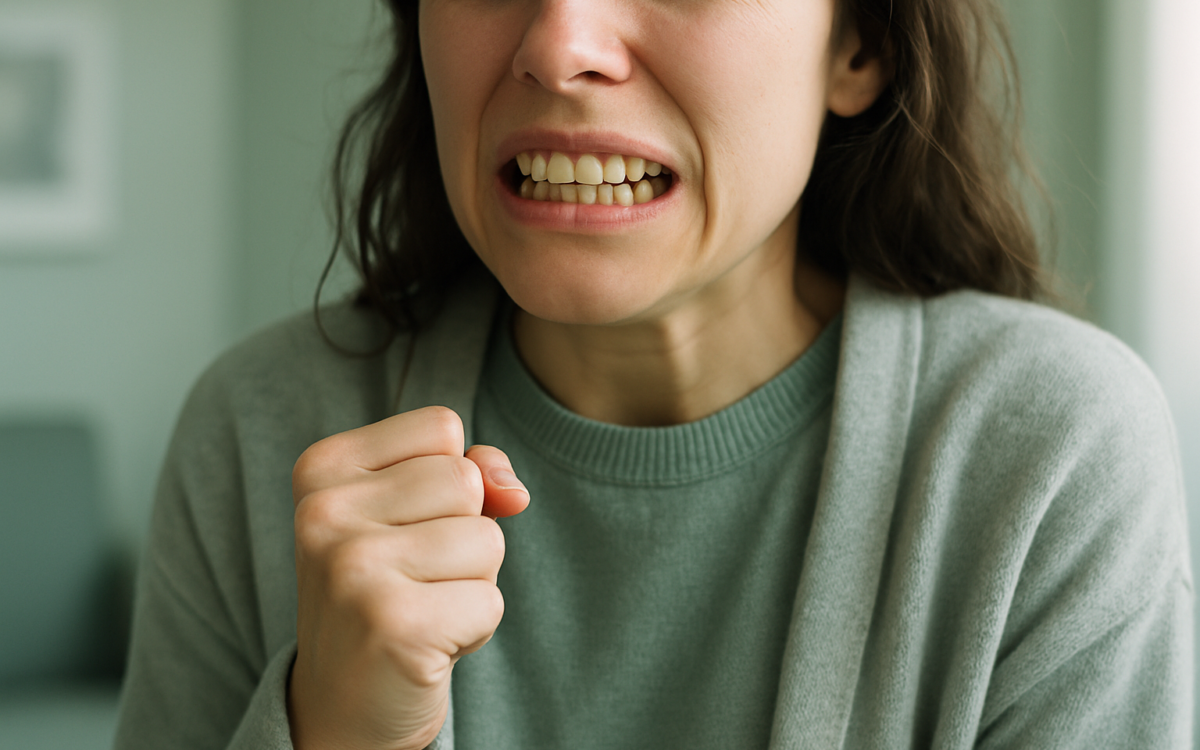
Have you ever experienced your teeth chattering unexpectedly? While it might seem like a simple nuisance, teeth chattering can be a sign of something more significant. Understanding why your teeth chatter can help you find solutions and stay healthy. In this article, we’ll explore the various reasons behind this phenomenon, potential remedies, and when you should seek professional help.
What Causes Teeth Chattering?
Teeth chattering can happen for a variety of reasons. Here are some of the most common causes:
- Cold Weather: One of the most recognizable triggers for teeth chattering is exposure to cold temperatures. Your body shivers to keep warm, and sometimes this can lead to your teeth clattering together.
- Stress and Anxiety: Stress can affect your body in numerous ways, including causing tension in your jaw. When you’re anxious or under pressure, this may lead to teeth clattering as a physical manifestation of stress.
- Neurological Conditions: Certain neurological disorders, like Parkinson’s disease, can result in involuntary movements, including teeth chattering. If you experience other symptoms, it might be worth discussing with a professional.
- Dental Issues: Conditions such as bruxism, where a person grinds or clenches their teeth, can also result in chattering. Jaw misalignment and other dental problems might contribute as well.
- Medications or Caffeine: Some medications can cause side effects that include jaw tremors or teeth chattering. Stimulants, such as caffeine, could also play a role.
How Does Teeth Chattering Affect Dental Health?
Teeth chattering can have various impacts on your dental health. Here are a few considerations:
- Wear and Tear: If chattering is due to bruxism, it can lead to excessive wear on your teeth, resulting in sensitivity or dental injuries.
- Jaw Pain: Continued chattering can put stress on your jaw muscles, leading to pain or discomfort, sometimes resulting in temporomandibular joint (TMJ) issues.
Managing Teeth Chattering
If you’re experiencing teeth chattering, there are several ways you might be able to manage or reduce this issue:
Warmth and Comfort
If cold weather is the culprit, make sure to dress warmly, especially protecting your head and neck.
Stress Management
Practicing stress-reduction techniques like deep breathing, meditation, or yoga can help alleviate anxiety and its side effects, including teeth chattering.
Assessing Your Sleep
If teeth chattering is a sign of bruxism, addressing your sleep environment may help. Consider using a mouthguard at night to mitigate damage to your teeth. A dentist can help you with this.
Limiting Stimulants
Monitor your caffeine intake as high doses can increase anxiety and jitters, contributing to teeth chattering.
When Should You See a Doctor?
While occasional teeth chattering might not be a cause for concern, there are situations when it’s crucial to consult a healthcare provider:
- You experience persistent teeth chattering that is interfering with your daily life.
- You notice accompanying symptoms such as headaches, jaw pain, or teeth sensitivity.
- Your teeth chattering has suddenly become more severe or frequent than before.
For more information on dental health and anxiety management, visit sources like the NIH or consult your healthcare provider.
Conclusion
Teeth chattering can arise from various causes, from cold temperatures to anxiety and other health conditions. Understanding the root of the problem is essential for finding an effective solution. If this phenomenon continues or worsens, don’t hesitate to reach out to a medical professional for guidance. Taking steps to manage stress, monitor your dental health, and consider your environment can create a more comfortable future for your teeth.
