
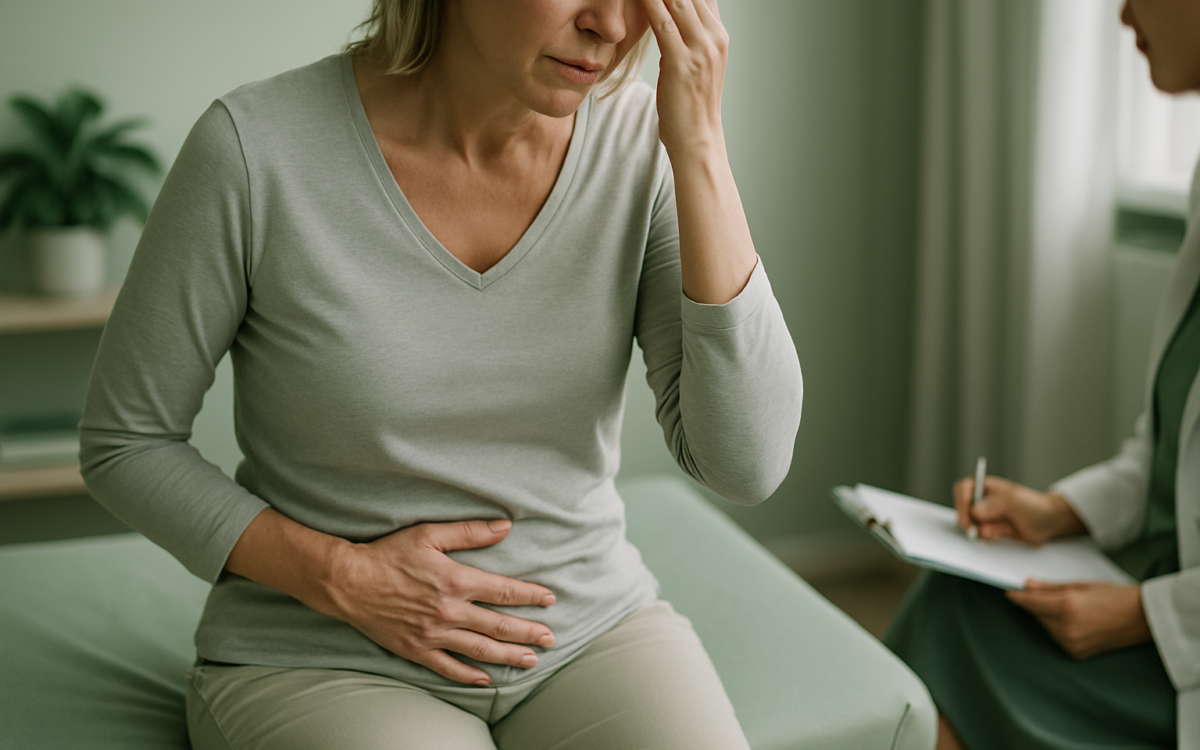
Perimenopause is a natural stage in a woman’s life that signals the transition to menopause. This phase can be challenging as it brings a variety of hormonal changes that can significantly affect physical and emotional well-being. Understanding the symptoms of perimenopause can help women navigate this transitional period with awareness and confidence. Here, we explore 34 symptoms of perimenopause to help you recognize and cope with this life phase.
What is Perimenopause?
Perimenopause is the time leading up to menopause, where the ovaries gradually produce less estrogen. This transition can start in a woman’s 30s or 40s and last for several years, culminating in menopause, which is defined as having gone 12 months without a menstrual period. Many women may not realize that perimenopause can begin long before menopause itself, and the symptoms can vary widely.
Common Symptoms of Perimenopause
The symptoms of perimenopause are numerous, and their severity can differ from woman to woman.
1. Irregular Periods
One of the earliest signs of perimenopause is changes in menstrual cycle regularity. Periods may become longer or shorter, heavier or lighter, and may sometimes skip altogether.
2. Hot Flashes
Hot flashes are sudden feelings of warmth, often accompanied by sweating and reddening of the skin. They can occur at any time of the day or night and may disrupt sleep.
3. Night Sweats
Similar to hot flashes, night sweats can lead to excessive sweating during sleep, causing uncomfortable awakenings and impacting overall rest.
4. Mood Changes
Hormonal fluctuations can result in mood swings, irritability, or increased anxiety. Some women may experience feelings of sadness or depression.
5. Sleep Disturbances
Many women report trouble falling or staying asleep during perimenopause, often due to hot flashes or night sweats.
Physical Symptoms
Perimenopause can also present a variety of physical symptoms that may impact daily life.
6. Changes in Libido
Changes in sexual desire and arousal are common during perimenopause, influenced by hormonal shifts.
7. Vaginal Dryness
Reduced estrogen levels can lead to vaginal dryness, making sexual activity uncomfortable for some women.
8. Weight Gain
Many women notice a gradual increase in weight, particularly around the abdomen. This can be due to hormonal changes affecting metabolism.
9. Fatigue
Feelings of tiredness or fatigue may become more frequent, impacting energy levels and daily activities.
Skin and Hair Changes
Changes in skin and hair are often reported during perimenopause.
10. Thinning Hair
Some women experience hair thinning or loss due to hormonal fluctuations.
11. Dry Skin
Skin can become drier and less elastic, making it important to adjust skincare routines.
12. Increased Facial Hair
Some women may notice more facial hair growth, which can be caused by hormonal imbalances.
Additional Symptoms
In addition to the more common symptoms, women may experience a range of other less-discussed signs during perimenopause.
13. Breast Tenderness
Sensitivity or tenderness in the breasts can occur during this phase, often linked to hormonal changes.
14. Memory Problems
Some women report difficulties with concentration or memory, often referred to as
