
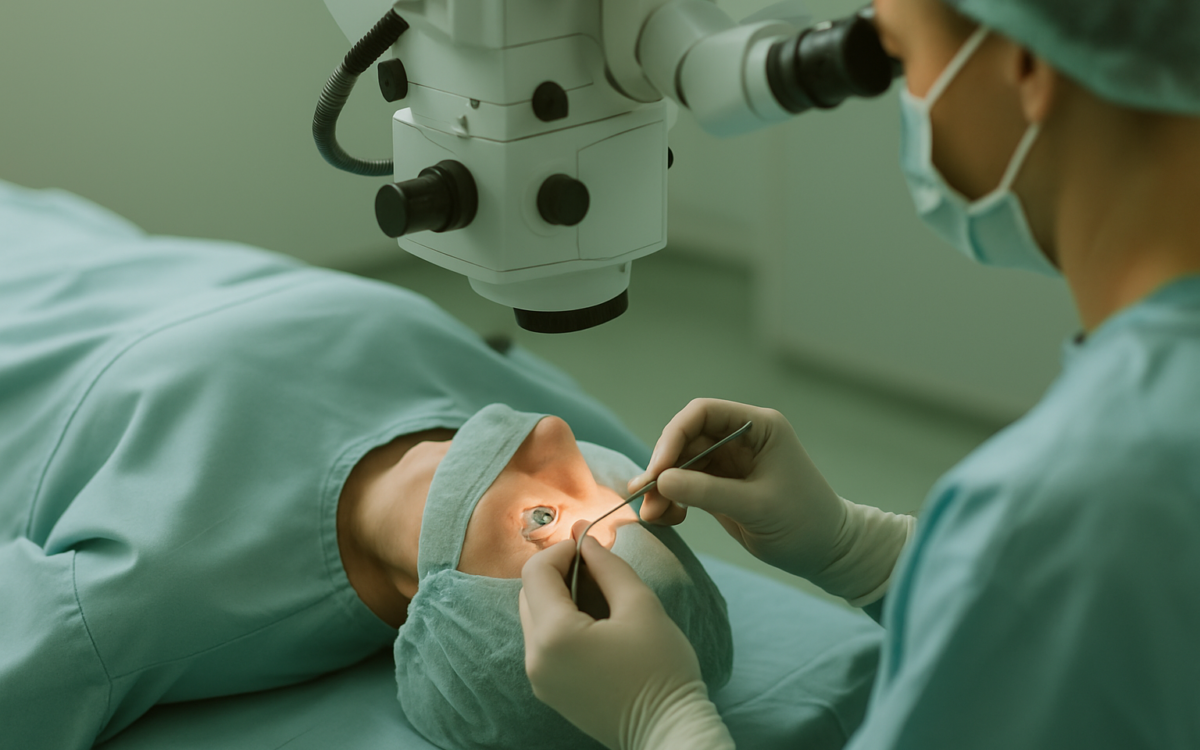
Cataracts are a common eye condition, often associated with aging, that can lead to cloudy vision and difficulty seeing clearly. As the cataract progresses, it may interfere significantly with daily activities. Fortunately, cataract eye surgery is an effective procedure that can restore clear vision for many people. In this article, we will break down the cataract surgery procedure, what to expect before and after, and other important aspects to help you navigate this eye health journey.
What Are Cataracts?
Cataracts occur when the lens of the eye becomes cloudy, usually due to aging or other changes in the eye. This cloudiness can interfere with how light enters the eye, resulting in blurred or dim vision. Symptoms of cataracts may include:
- Difficulty seeing at night
- Faded colors
- Double vision
- Frequent changes in prescription glasses
- Glare or halos around lights
If you experience any of these symptoms, it’s essential to consult with an eye care professional.
The Cataract Eye Surgery Procedure Explained
Cataract surgery is a common and generally safe procedure. It aims to remove the cloudy lens and replace it with a clear artificial lens. Here’s a step-by-step overview of what the surgery involves:
Pre-Surgery Appointment
Before the surgery, your eye doctor will conduct a thorough examination. This includes:
- Measuring your eye’s dimensions
- Assessing the degree of your cataracts
- Discussing your medical history and any medications you take
This information helps your doctor plan the best surgical approach and select the right type of artificial lens.
The Day of Surgery
Cataract surgery is usually performed as an outpatient procedure, meaning you won’t need to stay overnight at a hospital. Here’s what to expect:
- You will be given eye drops to dilate your pupils.
- Local anesthesia will numb your eye, though you may remain awake during the surgery.
- The procedure typically takes about 15 to 30 minutes.
The Surgical Technique
There are a couple of methods your surgeon might use, but the most common is called phacoemulsification:
- The surgeon makes a small incision in the cornea.
- Using a tiny ultrasound probe, the cloudy lens is broken up and gently removed.
- Finally, a clear artificial lens is implanted in place of the original lens.
Throughout the procedure, your eye will be monitored, ensuring your comfort and safety.
Recovery After Cataract Surgery
After the surgery, you can expect a few important things:
- Your doctor will provide instructions on how to care for your eye and what activities to avoid for the following days.
- Most people notice improvements in their vision within a few days, though complete healing may take a few weeks.
- You may experience slight discomfort, which is generally manageable with over-the-counter pain relief.
Follow-Up Appointments
Be sure to attend any follow-up appointments with your eye care professional. They will monitor your healing process and check how well you are adjusting to the new lens.
Potential Risks and Complications
Like any surgical procedure, cataract surgery carries some risks. While serious complications are rare, they may include:
- Infection
- Bleeding
- Swelling
- Retinal detachment
- Vision loss
It’s essential to discuss these risks with your doctor beforehand. Understanding what to look for in terms of complications can help you react quickly if issues arise.
Your Role in Eye Health
Following your surgery, there are several steps you can take to maintain your eye health:
- Wear sunglasses to protect against UV light.
- Eat a balanced diet rich in fruits, vegetables, and omega-3 fatty acids.
- Don’t smoke and limit alcohol consumption.
- Have regular eye examinations to monitor your vision.
Your efforts can contribute significantly to your overall eye health and the longevity of your new lens.
When to See a Doctor
If you experience any of the following symptoms post-surgery, contact your doctor immediately:
- Severe pain or discomfort in the eye
- Sudden decrease in vision
- Flashes of light or an increase in floaters
- Signs of infection, such as increased redness or discharge
Your healthcare provider can provide guidance and address any concerns you may have.
In conclusion, understanding the cataract eye surgery procedure can empower you to make informed decisions about your vision health. As cataracts can significantly affect your quality of life, it’s essential to seek medical advice and explore the best options for treatment. With modern technology and skilled professionals, cataract surgery is a safe and effective way to regain clearer vision and enhance your everyday experiences.
