
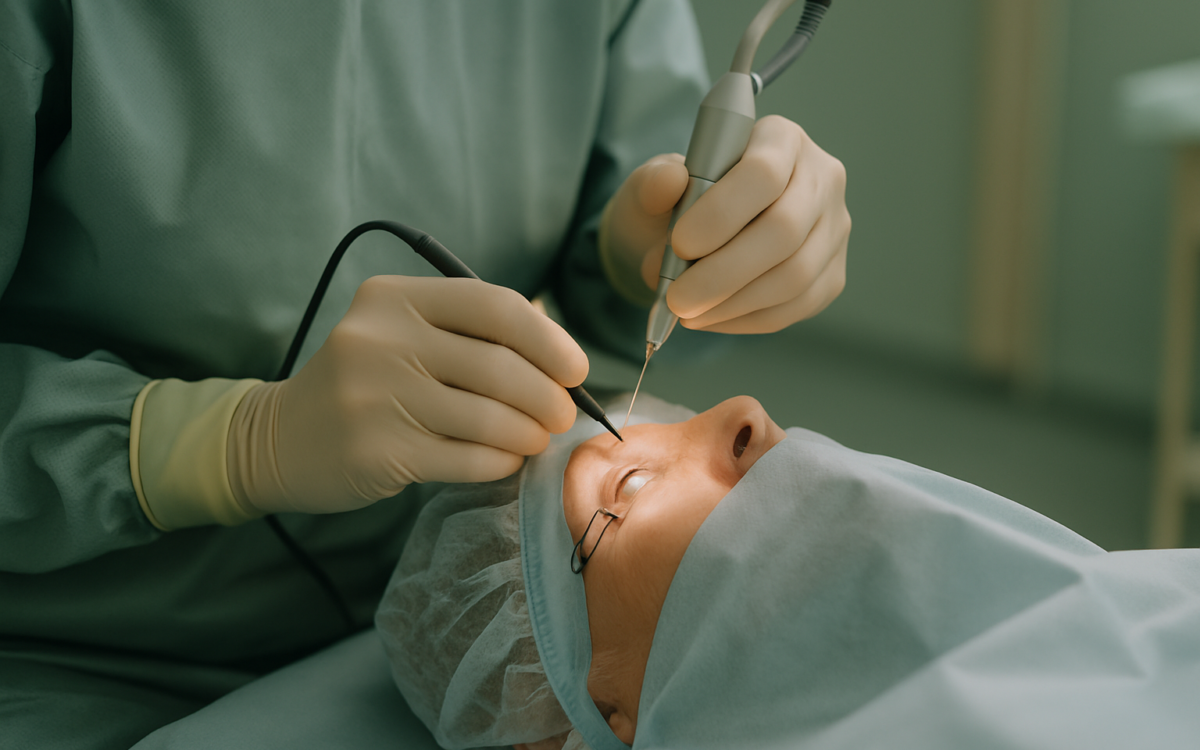
Cataracts are a common eye condition that affects millions of people worldwide, leading to cloudy vision and eventual vision loss if left untreated. Fortunately, cataracts surgery is a safe and effective procedure that can restore clear sight. Understanding what the procedure entails can help ease any concerns you may have as you prepare for surgery. This article will guide you through the critical elements of the cataract surgery procedure, including how it works, recovery, and potential complications.
What Are Cataracts?
Cataracts occur when the clear lens of the eye becomes clouded, leading to blurred or dimmed vision. They typically develop gradually and can affect one or both eyes. Symptoms may include:
- Blurred or cloudy vision
- Difficulty seeing at night
- Increased sensitivity to light
- Faded colors
- Frequent changes in glasses or contact lens prescriptions
If you experience these symptoms, it may be time to consult an eye care professional. They will assess your condition and discuss treatment options, which often include cataract surgery.
Preparing for Cataract Surgery
Prior to the surgery, you’ll have a detailed consultation with your eye doctor. During this visit, your doctor will perform tests to assess the cataract’s severity and determine the best approach for your specific needs. They may also discuss the type of intraocular lens (IOL) that will be implanted during the procedure. There are various types of lenses available that can correct for nearsightedness, farsightedness, or astigmatism, depending on your visual needs.
Pre-Operative Instructions
Your doctor will provide specific instructions to prepare for the surgery, which may include:
- Avoiding certain medications that can increase bleeding
- Arranging for someone to drive you home afterward
- Fasting for a short period before the procedure
It’s essential to follow these instructions closely to ensure a smooth surgery.
The Cataract Surgery Procedure
Cataract surgery is typically performed as an outpatient procedure, meaning you can go home the same day. Here’s how the process generally unfolds:
Anesthesia and Sedation
On the day of the surgery, you’ll receive numbing eye drops to minimize discomfort. Many patients also receive sedatives to help them relax during the procedure. Overall, the surgery is usually painless.
Procedure Steps
The surgeon will follow these basic steps:
- Making an incision: A small incision is made at the edge of the cornea to access the lens.
- Aspirating the cataract: Using a technique called phacoemulsification, the surgeon breaks up the cloudy lens using ultrasound energy and removes it from the eye.
- Inserting the IOL: After the cataract is removed, a new intraocular lens is implanted to restore focusing power.
- Closing the incision: The incision is small enough that it usually doesn’t require stitches, as it will heal naturally.
The procedure typically takes about 15 to 30 minutes, and many patients report seeing improved vision within days.
Recovery After Cataract Surgery
Following the surgery, you may experience some discomfort or blurred vision, but these symptoms usually improve within a day or two. It’s important to:
- Rest and avoid strenuous activities for a few days
- Use prescribed eye drops to prevent infection and reduce inflammation
- Attend follow-up appointments to monitor your healing process
Your eye doctor will provide guidelines on when you can resume normal activities, including driving and returning to work.
Potential Complications of Cataract Surgery
While cataract surgery is generally safe, as with any medical procedure, there are potential risks. Some complications that may arise include:
- Infection
- Inflammation
- Retinal detachment
- Vision changes or glare
It’s crucial to discuss these risks with your doctor before the procedure to ensure you understand what to expect.
Success Rates and Long-Term Outcomes
Cataract surgery has a high success rate. According to the National Institutes of Health, most patients achieve improved vision after the surgery. Many people enjoy their restored vision for years to come. However, some may develop a condition called posterior capsule opacification, where the membrane behind the lens becomes cloudy over time. If this occurs, a simple outpatient procedure can quickly address it.
When to See a Doctor
If you experience symptoms of cataracts, such as blurred vision or increased difficulty seeing at night, it’s essential to consult a healthcare professional. Regular eye exams can help detect cataracts and other eye conditions early on, ensuring appropriate treatment is administered as needed.
Conclusion
Cataract surgery is a safe and effective way to restore clear vision and improve quality of life for many individuals. By understanding the procedure, preparing adequately, and following post-operative care, you can navigate the journey to better vision with confidence. If you suspect you may have cataracts or have concerns about your eye health, don’t hesitate to reach out to your doctor for advice.
