
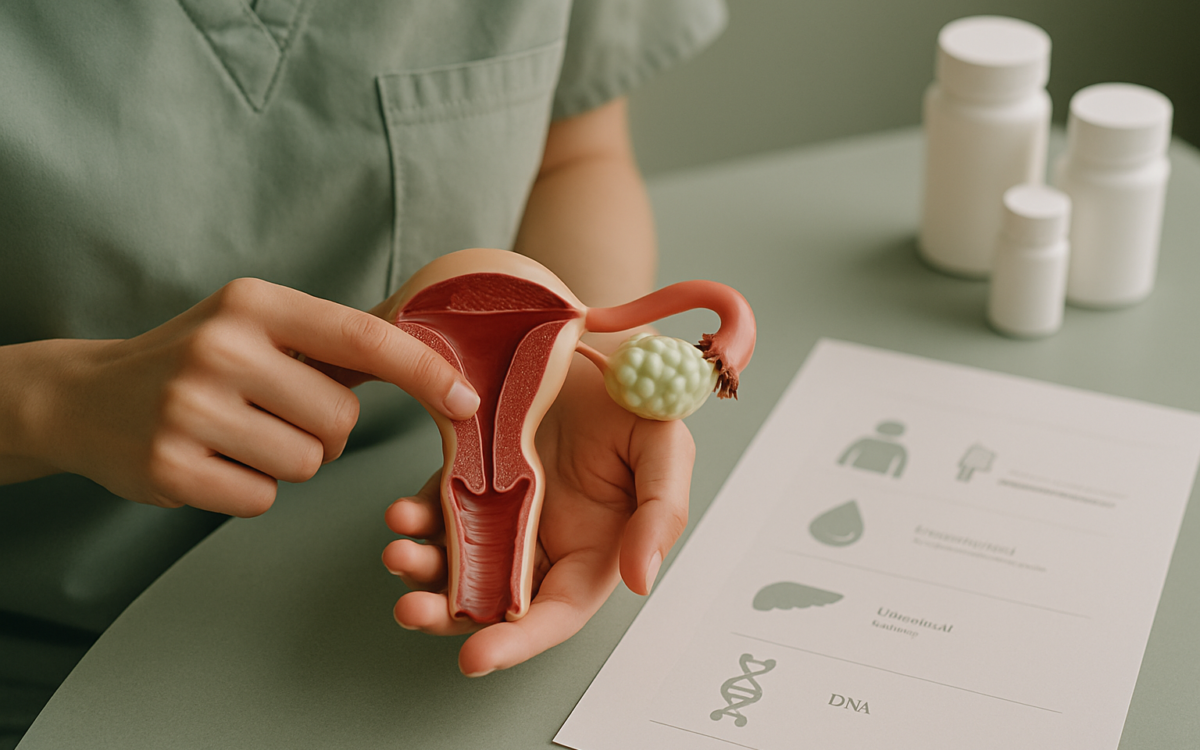
Polycystic ovaries, often associated with polycystic ovary syndrome (PCOS), is a condition that affects many women during their reproductive years. Understanding the causes behind this condition is crucial for effective management and treatment. In this article, we delve into the various factors contributing to the development of polycystic ovaries, shedding light on this common yet often misunderstood health issue.
Hormonal Imbalances
One of the primary causes of polycystic ovaries is hormonal imbalance. Women with this condition often have elevated levels of androgens, which are male hormones that women also produce in smaller amounts. These elevated hormone levels can lead to irregular menstrual cycles, excessive hair growth, and acne. Hormonal imbalances can stem from various sources, including genetic factors and lifestyle choices.
Genetic Factors
Research suggests that polycystic ovaries may run in families, indicating a genetic component to the condition. If a woman has a mother or sister with PCOS, her chances of developing it are higher. Scientists are still exploring which genes are responsible for this predisposition, but genetic factors undoubtedly play a role in how our bodies regulate hormones and metabolism.
Insulin Resistance
Another significant cause of polycystic ovaries is insulin resistance. This condition occurs when the body’s cells become less responsive to insulin, a hormone that regulates blood sugar levels. Insulin resistance is closely linked to obesity and can lead to higher insulin levels in the blood. This excess insulin can contribute to increased androgen production, resulting in the symptoms associated with polycystic ovaries (NIH).
Lifestyle and Environmental Factors
While genetic and hormonal factors are crucial, lifestyle choices also play a significant role in the development of polycystic ovaries. Poor diet, lack of physical activity, and obesity can exacerbate insulin resistance and hormonal imbalances. Eating a diet rich in whole foods and engaging in regular exercise can help manage weight and promote overall health. Making these changes not only reduces the risk of developing polycystic ovaries but also improves other health outcomes.
Inflammation and Chronic Stress
Emerging research indicates that chronic low-grade inflammation may also contribute to polycystic ovaries. Inflammation can disrupt hormonal regulation and lead to insulin resistance. Additionally, chronic stress impacts the body’s hormonal balance, potentially worsening PCOS symptoms. Managing stress through techniques like mindfulness, yoga, or counseling may help alleviate some of these issues.
Medical Conditions That May Contribute
Several other medical conditions can also influence the development of polycystic ovaries. For instance, thyroid disorders and adrenal gland issues may contribute to irregular menstrual cycles and hormonal imbalances. It’s essential to work closely with a healthcare provider to identify any underlying conditions that may be affecting your reproductive health.
When to See a Doctor
If you suspect you have polycystic ovaries or are experiencing symptoms such as irregular periods, excessive hair growth, or weight gain, it’s essential to consult a healthcare professional. Early diagnosis and management can significantly improve your quality of life and prevent complications associated with PCOS.
Keep in mind that the causes of polycystic ovaries are complex and can vary from person to person. Regular check-ups and open communication with a doctor are crucial in navigating this condition effectively.
Conclusion
Polycystic ovaries are a multifaceted condition influenced by a mix of genetic, hormonal, and lifestyle factors. Understanding these causes can empower women to take charge of their health. Whether through dietary changes, exercise, or medical intervention, recognizing the underlying issues can lead to more effective management of polycystic ovaries and PCOS as a whole. For further information on this condition, the World Health Organization provides valuable resources and insights.
