
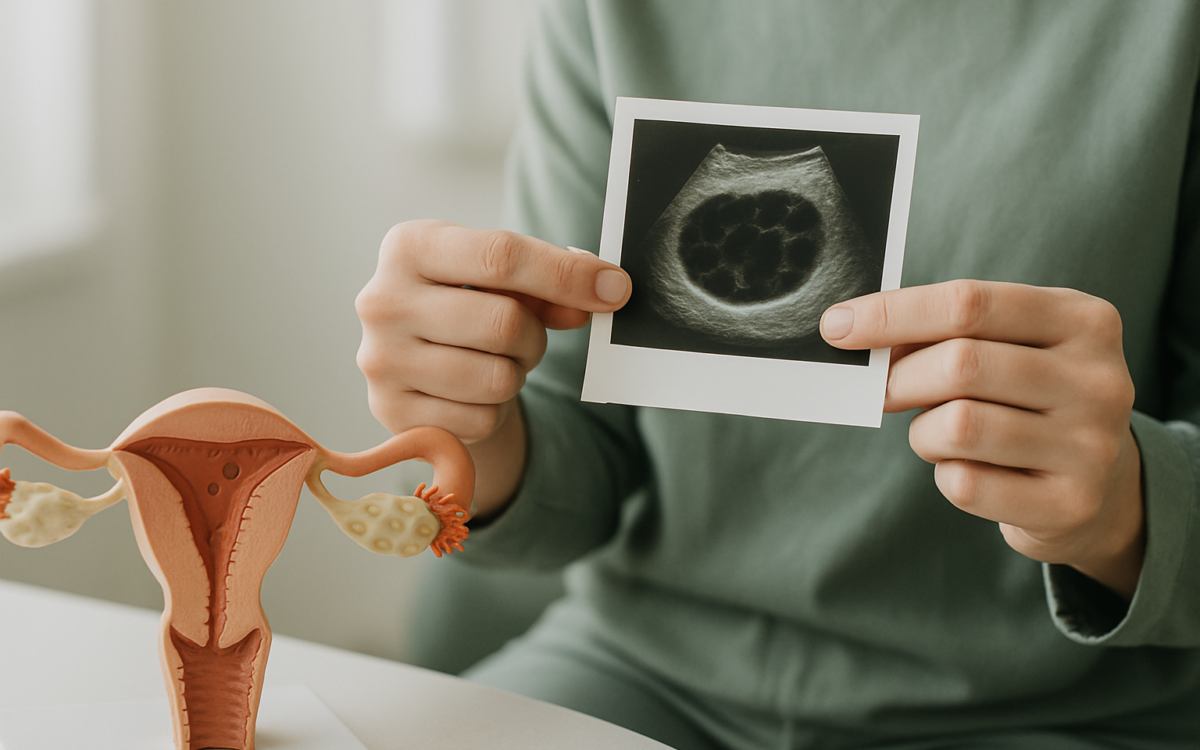
Polycystic Ovary Syndrome (PCOS) is a hormonal disorder that affects many women during their reproductive years. It can lead to a range of symptoms such as irregular menstrual cycles, weight gain, and difficulties with fertility. Understanding what causes PCOS can help women manage its effects on their health and find appropriate treatments.
Hormonal Imbalances and PCOS
At the core of PCOS are hormonal imbalances. Women with this condition often have higher levels of androgens, sometimes referred to as male hormones, which can disrupt normal ovulation. These hormonal alterations can stem from various factors, including genetic predispositions, obesity, and insulin resistance.
The Role of Genetics
Genetics play a significant role in the development of PCOS. Studies suggest that if a close family member, such as a mother or sister, has PCOS, you are more likely to develop it as well. Researchers are currently investigating specific genes that might contribute to this hormone-related imbalance. While we cannot change our genetic makeup, understanding our family history can provide valuable insights into our own health risks.
Insulin Resistance and Its Impact
Insulin is a hormone that helps regulate blood sugar levels. In many women with PCOS, the body becomes resistant to insulin, meaning it doesn’t respond effectively to this hormone. As a result, the pancreas produces more insulin, leading to elevated insulin levels in the blood. This can lead to several issues, including weight gain, a higher risk of type 2 diabetes, and exacerbation of PCOS symptoms. Weight management through diet and exercise can significantly improve insulin sensitivity, making lifestyle changes an important aspect of managing the condition.
The Influence of Lifestyle Factors
Various lifestyle factors can influence the severity of PCOS. Poor diet, lack of exercise, and high-stress levels can exacerbate symptoms. A balanced diet rich in whole grains, fruits, and vegetables can help regulate insulin levels and promote overall well-being. Moreover, regular physical activity can improve insulin sensitivity and aid in weight management. For those considering international treatment options, seek help from facilities that offer international patient services that specialize in women’s health worldwide.
Environmental Factors
Recent research indicates that environmental factors may also contribute to the development of PCOS. Exposure to endocrine disruptors, chemicals that interfere with hormone function, has been linked to reproductive health issues. These chemicals can be found in everyday items, including plastics and personal care products. While more research is needed in this area, it highlights the importance of being aware of potential environmental risks.
Common Symptoms and Effects
The symptoms of PCOS can vary widely from one woman to another. Common signs include:
- Irregular or absent menstrual periods
- Excess hair growth on the face and body (hirsutism)
- Acne and oily skin
- Weight gain or obesity
- Thinning hair on the scalp
- Difficulty getting pregnant
These symptoms can affect both physical and emotional health. Women with PCOS may experience anxiety, depression, and body image issues as a result of their symptoms. It’s essential to approach PCOS holistically, addressing both physical health and mental well-being in treatment plans.
When to See a Doctor
If you suspect you have PCOS or are experiencing irregular menstrual cycles, it is crucial to seek medical advice. A healthcare provider can perform tests to evaluate hormone levels and assess your risk for related conditions, such as diabetes and heart disease. Early diagnosis and treatment can make a significant difference in managing symptoms and improving quality of life.
In conclusion, the causes of polycystic ovary syndrome are multifaceted, involving hormonal, genetic, environmental, and lifestyle factors. By understanding these causes, women can take proactive steps to manage their health and seek appropriate care. Always consult a healthcare professional for guidance tailored to your individual health needs.
