
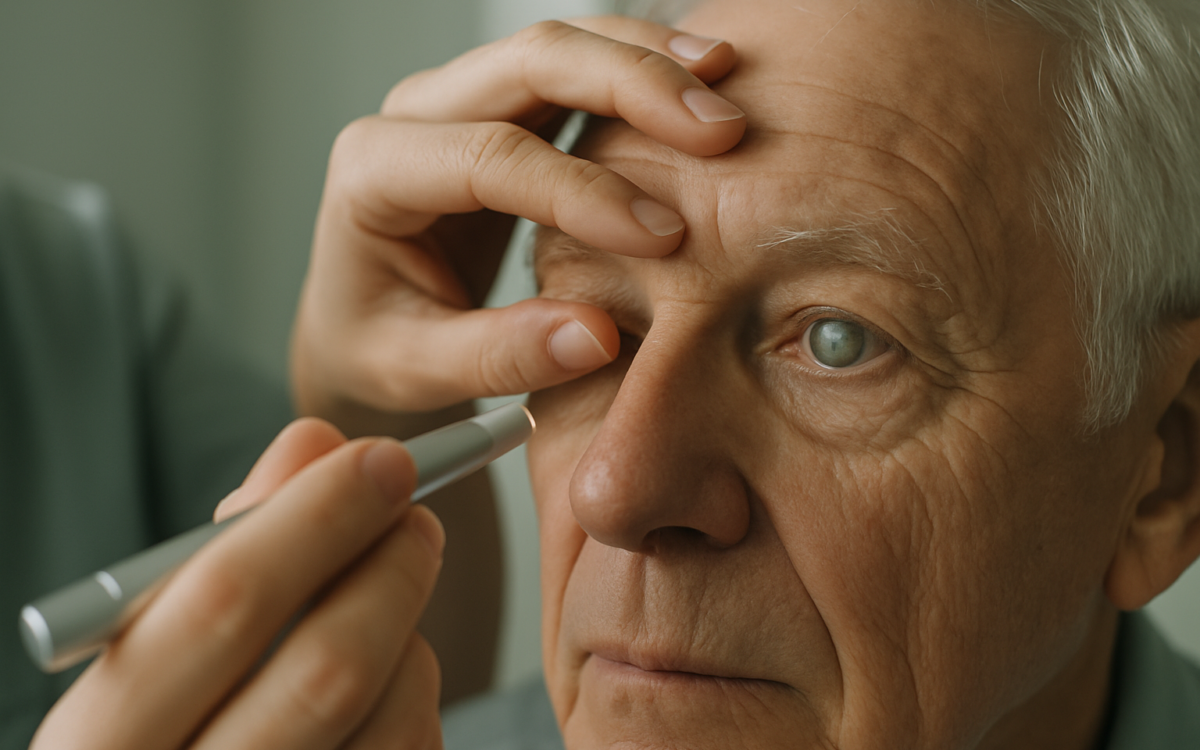
Cataracts are a common eye condition that can lead to vision impairment if left untreated. They occur when the lens of the eye becomes cloudy, affecting how light passes through to the retina. Understanding the clinical features of cataracts is crucial for early detection and management. In this article, we will explore the signs and symptoms of cataracts, the stages of development, and the impact they can have on your daily life.
What Are Cataracts?
Cataracts develop as a result of various factors, including aging, genetics, and environmental influences. They are most commonly associated with aging, but certain diseases, medications, and lifestyle choices can also contribute to their formation. By the age of 80, more than half of all Americans will have cataracts.
Common Clinical Features of Cataracts
The clinical features of cataracts can vary from person to person, but there are several symptoms that many individuals experience:
- Cloudy or Blurred Vision: One of the hallmark signs of cataracts is a gradual decline in visual clarity. As the lens becomes more opaque, objects may appear fuzzy or indistinct.
- Difficulty Seeing at Night: People with cataracts often struggle with night vision. Glare from headlights can be particularly bothersome, making driving challenging.
- Sensitivity to Light: Increased sensitivity to bright lights can make it uncomfortable to be outdoors during sunny days. This sensitivity may lead to halos around lights.
- Frequent Changes in Glasses Prescription: Those with cataracts may notice that they require frequent updates to their glasses or contact lenses as their vision changes rapidly.
- Double Vision: In some cases, cataracts can cause double vision in a single eye, known as monocular diplopia. This occurs when light is scattered as it passes through the cloudy lens.
- Fading or Yellowing of Colors: People with cataracts often report that colors appear less vivid or take on a yellowish hue.
Stages of Cataract Development
Cataracts typically develop gradually, progressing through different stages:
- Early Stage: In the initial stage, cataracts may have minimal impact on vision. Patients might notice slight blurriness or changes in vision that are easily overlooked.
- Intermediate Stage: As the condition worsens, symptoms become more pronounced. Regular activities like reading or driving may become challenging.
- Advanced Stage: In the later stages, cataracts significantly impair vision, making daily tasks difficult or impossible without corrective lenses or surgery.
Impact on Daily Life
The symptoms of cataracts can significantly affect an individual’s quality of life. Difficulty seeing can lead to challenges at work, in social interactions, and during leisure activities. Tasks that were once simple, like reading or watching television, may become frustrating or unsafe. Additionally, trouble with night vision can make driving dangerous, increasing the risk of accidents.
Diagnosis and Monitoring
If you experience any symptoms associated with cataracts, it’s important to see an eye care professional for a comprehensive eye exam. During the exam, your doctor will:
– Test your visual acuity.
– Examine your eyes with a slit lamp to look for cloudiness in the lens.
– Evaluate your overall eye health.
Regular check-ups can help monitor the progression of cataracts, allowing for timely intervention if necessary. Eye care professionals often recommend an annual visit, especially for individuals over 60 or those at higher risk.
When to See a Doctor
Consult your doctor or eye care professional if you notice any of the following signs:
- Any sudden changes in vision.
- Difficulty seeing in low-light conditions.
- Increased difficulty with glare from lights.
- Frequent changes in your eyeglass prescription.
- Colors appearing faded or yellowed.
Early detection and intervention can help preserve your vision and improve your quality of life.
Conclusion
Understanding the clinical features of cataracts is essential for recognizing their impact on your vision and overall health. By staying informed about the symptoms and seeking regular eye exams, you can take proactive steps to manage your eye health. If you experience any signs of cataracts, don’t hesitate to reach out to your eye care professional for guidance. With proper care, it is possible to maintain good vision well into later years.
