
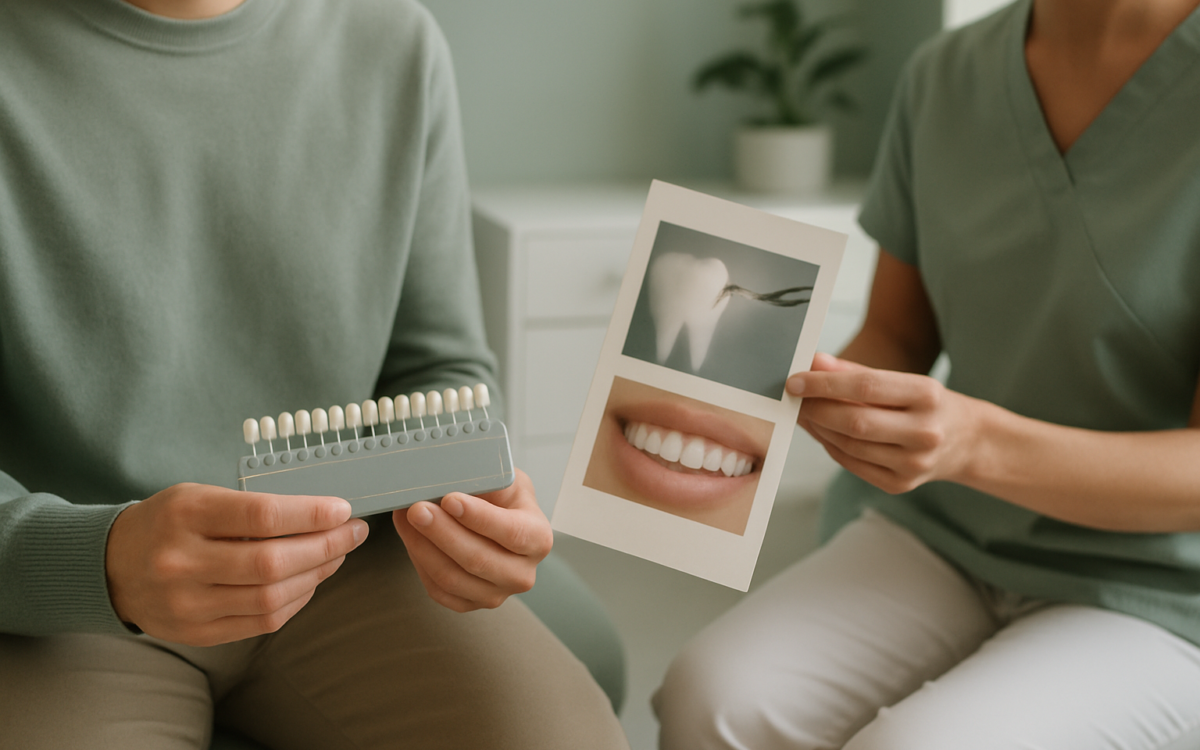
Many people dream of having a bright, white smile. It boosts confidence and can enhance your overall appearance. However, when considering teeth whitening, one of the first questions that arise is: how much is it going to cost?
In this article, we will break down the various options available for teeth whitening, what they entail, and how much you can expect to spend. By understanding the costs involved, you can make a better-informed choice that suits your needs and budget.
Types of Teeth Whitening Options
Teeth whitening comes in several forms, each with different pricing and effectiveness. The three main options are professional whitening, over-the-counter products, and natural remedies.
1. Professional Teeth Whitening
Professional teeth whitening is typically done at a dentist’s office. This method is often regarded as the most effective and fastest way to achieve significant whitening results.
- In-Office Whitening: This procedure usually lasts about one hour and utilizes stronger bleaching agents than at-home kits. The cost can range from $500 to $1,000 per session, depending on the provider and location.
- Custom Take-Home Whitening Kits: Your dentist may provide you with a custom-made kit tailored to your teeth. This option can be more affordable than in-office treatments, typically ranging from $300 to $600.
According to the Mayo Clinic, these professional options often yield faster and more pronounced results compared to other methods.
2. Over-the-Counter Whitening Products
If you are looking for a more budget-friendly alternative, over-the-counter (OTC) whitening products are widely available. These include whitening strips, gels, toothpaste, and mouth rinses.
- Whitening Strips: These are adhesive strips coated with a bleaching gel. Prices can range from $20 to $50, varying by brand and strength.
- Whitening Gels and Trays: These products usually come with a brush or tray system for application. The cost can range from $10 to $100.
- Whitening Toothpaste: Generally the least expensive option, whitening toothpaste can cost between $3 to $10 per tube. However, its effects are often mild.
While these products are more affordable, it’s important to note that their effectiveness may vary, and it can take several weeks to see results.
3. Natural Teeth Whitening Remedies
For those who prefer natural methods, there are home remedies touted for their whitening effects. However, results can be inconsistent, and it’s essential to approach these options with caution.
- Baking Soda: Many people mix baking soda with water to create a paste for brushing. This method is inexpensive, though the cost of baking soda is generally less than $5.
- Activated Charcoal: Another popular choice is activated charcoal, which can be found in health stores. While it might cost around $10, it’s important to consider that abrasive materials can damage enamel if used excessively.
- Hydrogen Peroxide: Similar to professional treatments, diluted hydrogen peroxide can be used as a mouth rinse or added to toothpaste. Always consult a dentist before using this.
Natural remedies can be safe when used responsibly, but they often lack the rigorous scientific validation that commercial products have.
Factors Affecting Teeth Whitening Costs
Several factors can influence the cost of teeth whitening treatments:
- Geographic Location: Prices for professional treatments can vary widely depending on where you live. Urban areas may have higher costs compared to rural locations.
- Type of Dentist: A specialist (like a cosmetic dentist) may charge more than a general dentist.
- Severity of Stains: If your teeth have significant discoloration, more extensive treatments may be necessary, increasing costs.
- Additional Treatments: Your dentist may recommend other treatments, such as dental cleaning or exams, which can further add to the cost.
Insurance and Financing Options
Teeth whitening is typically considered a cosmetic procedure, which means most dental insurance plans won’t cover it. However, some dentists offer financing plans or payment options to help spread the cost over time.
Always verify what is included in the treatment cost before proceeding. Ask your dentist about any promotions or packages that might make treatment more affordable.
When to See a Dentist
If you experience severe tooth sensitivity, discomfort, or gum issues while using any whitening product, it’s advisable to consult your dentist. They can provide guidance on the best whitening options for you or determine if an underlying issue needs addressing.
Conclusion
Teeth whitening can significantly enhance your smile, but understanding the costs and methods available is crucial in making an informed choice. Whether you opt for a professional treatment, an over-the-counter product, or a natural remedy, always prioritize your oral health and consult with your dentist when necessary. With the right approach, you can achieve a brighter smile that you feel confident about.
