
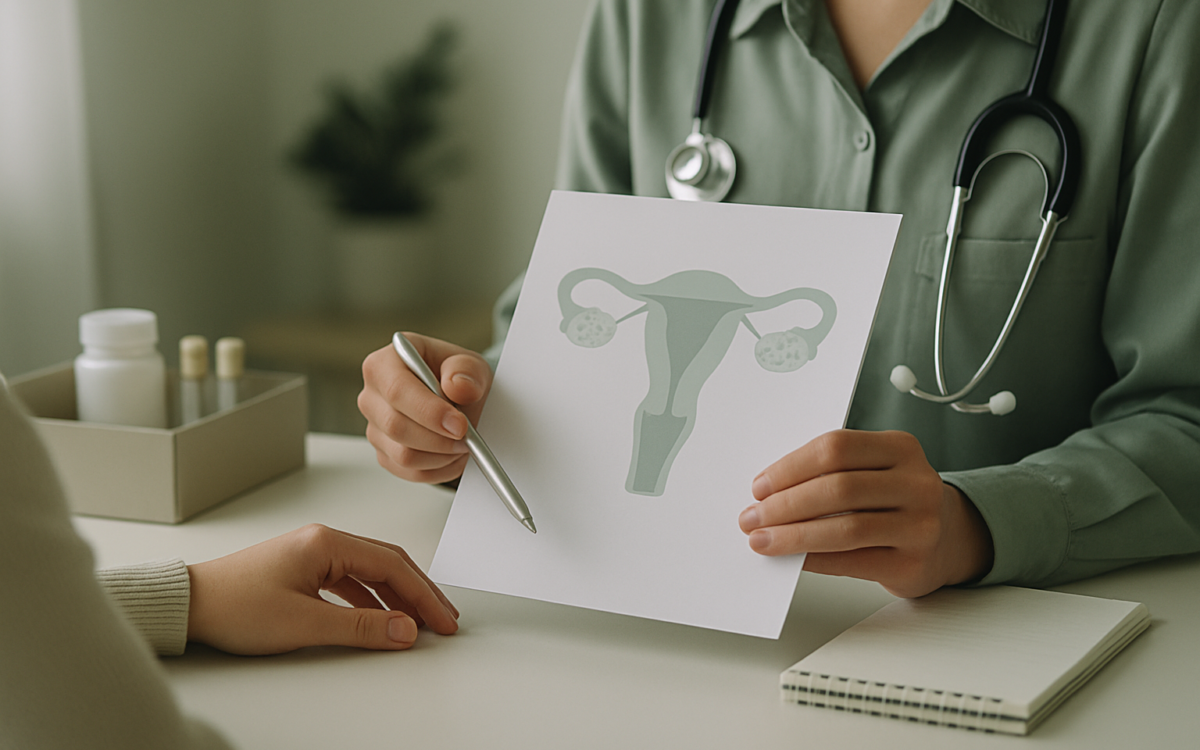
Polycystic ovary syndrome, commonly known as PCOS, is a hormonal disorder affecting many women of reproductive age. Understanding how PCOS is diagnosed is crucial for anyone experiencing symptoms such as irregular periods, weight gain, and acne. This article will guide you through the diagnostic process, the tests involved, and the key factors your healthcare provider will consider to determine whether you have PCOS.
Recognizing the Symptoms of PCOS
The first step in diagnosing PCOS often begins with recognizing its symptoms. Women with PCOS may experience:
- Irregular menstrual cycles or missed periods
- Excess hair growth on the face and body (hirsutism)
- Weight gain or difficulty losing weight
- Acne or oily skin
- Thinning hair on the scalp
- Dark patches of skin, especially around the neck or underarms
These symptoms can vary widely from person to person, which makes diagnosis challenging. If you notice any of these signs, it’s important to speak with your doctor.
Initial Consultation and Medical History
Once you decide to seek help, your healthcare provider will start with your medical history. This includes discussing:
- Your menstrual cycle and any irregularities
- Your family history of hormonal disorders
- Your diet and lifestyle
- Any related symptoms you’re experiencing
This information helps your doctor gauge the likelihood of PCOS and forms the basis for further testing.
Physical Examination and Symptoms Evaluation
During your visit, your doctor will conduct a physical examination. This may involve:
- Checking your weight and measuring your body mass index (BMI)
- Examining your skin for signs of acne or excessive hair growth
- Assessing the health of your ovaries and uterus
An evaluation of your symptoms and physical signs can provide valuable clues about your hormonal health. Depending on the findings, your provider may recommend additional tests.
Diagnostic Tests for PCOS
Diagnosis of PCOS often involves several tests to rule out other conditions and confirm the presence of the syndrome:
Blood Tests
Blood tests are crucial for assessing hormone levels in your body. Your doctor may check for:
- Levels of androgens (male hormones) that are typically elevated in women with PCOS
- Insulin resistance or other metabolic issues
- Lipid levels, to assess cholesterol and triglycerides
- Thyroid function, to rule out thyroid disorders
These tests help doctors understand the hormonal imbalances that may contribute to symptoms.
Ultrasound Imaging
An ultrasound is often performed to check the ovaries for cysts, which are fluid-filled sacs. Typical findings in women with PCOS include:
- Enlarged ovaries
- Multiple small cysts along the outer edge of the ovaries
However, it’s important to note that having cysts isn’t sufficient for a PCOS diagnosis, as some women without the condition may also have them.
Diagnostic Criteria for PCOS
The diagnosis of PCOS is typically made based on the Rotterdam criteria, which require at least two of the following three conditions:
- Irregular or absent menstrual cycles
- Clinical or biochemical signs of hyperandrogenism (such as hirsutism or elevated testosterone levels)
- Polycystic ovaries seen on ultrasound
This standardized approach helps ensure that diagnoses are accurate and consistent across different healthcare professionals.
Importance of A Proper Diagnosis
Getting a proper diagnosis for PCOS is essential not only for managing symptoms but also for reducing long-term health risks. Women with PCOS are at a higher risk for:
- Diabetes or insulin resistance
- Cardiovascular disease
- Endometrial cancer
- Depression and anxiety
Therefore, a timely and accurate diagnosis can be life-changing, leading to appropriate treatment and management strategies that improve overall health.
When to See a Doctor
If you experience symptoms like irregular periods, significant weight gain, or noticeable changes in your skin, it’s important to consult a healthcare provider. Early diagnosis can help manage PCOS effectively, leading to improved health and well-being.
Additionally, if you have a family history of PCOS or related conditions, discussing your concerns with a doctor is advisable even if you don’t currently show symptoms.
Ultimately, PCOS is a manageable condition. With the right support and medical advice, you can navigate the challenges it brings, leading to a healthier, more balanced life.
For more information on PCOS and its diagnosis, you can refer to reputable sources such as the NIH/NLM, WHO, and Mayo Clinic.
