
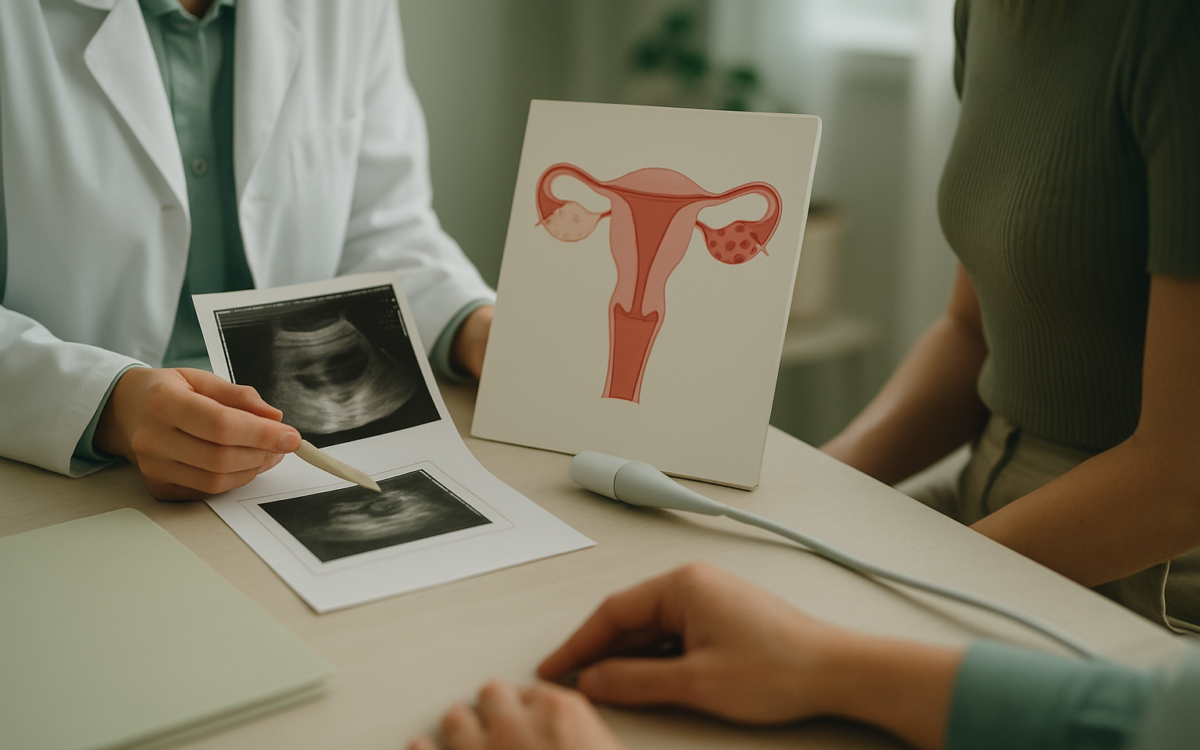
Polycystic Ovarian Disease (PCOD), also known as Polycystic Ovary Syndrome (PCOS), affects millions of women worldwide. Understanding how this condition is diagnosed can help ease concerns and lead to effective management. This article breaks down the steps taken during a diagnosis, what signs to look for, and when it’s crucial to consult a healthcare professional.
What is Polycystic Ovarian Disease?
Polycystic ovarian disease is a hormonal disorder that can affect women’s reproductive health. Characterized by irregular menstrual cycles, excess male hormones, and cysts on the ovaries, it may lead to various complications, including infertility. A critical part of managing PCOD is understanding how it is diagnosed, enabling women to receive the right care in a timely manner.
Recognizing the Symptoms
Before diving into the diagnostic process, it’s essential to recognize the common symptoms of PCOD. Symptoms can vary widely but often include:
- Irregular or missed menstrual periods
- Excess hair growth on the face or body (hirsutism)
- Acne or oily skin
- Weight gain or difficulty losing weight
- Thinning hair or hair loss from the scalp
- Cysts on the ovaries identified through ultrasound
If you experience several of these symptoms, a discussion with your doctor may be warranted.
Initial Consultation
The journey to diagnosis typically begins with an initial consultation with a healthcare provider. During this appointment, the doctor will take a detailed medical history and ask about your symptoms. This conversation helps to pinpoint specific manifestations of PCOD and assess your menstrual history.
Your doctor may also inquire about your family’s medical history, as there may be a genetic component to the syndrome. Sharing any family history of diabetes, heart disease, or hormonal disorders can provide valuable context and guide further testing.
Physical Examination and Recommended Tests
After gathering your medical history, the healthcare provider may perform a physical examination to check for signs such as weight gain, excessive hair growth, and other symptoms related to hormone imbalance.
Blood Tests
Blood tests play a crucial role in diagnosing polycystic ovarian disease. These tests usually measure hormone levels, checking for:
- Elevated testosterone or other androgens
- Insulin levels, which can indicate insulin resistance
- Thyroid hormone levels to rule out other conditions
- Fasting glucose levels to assess blood sugar control
By evaluating these hormone levels, your doctor can better understand whether the symptoms you are experiencing align with PCOD.
Ultrasound Imaging
Another standard diagnostic tool is the pelvic ultrasound. During this procedure, a technician will use sound waves to create images of your ovaries and uterus. In women with PCOD, the ultrasound may reveal the presence of multiple small cysts on the ovaries, which can help confirm the diagnosis.
The ultrasound can also provide information about the thickness of the endometrial lining, which may be affected by irregular menstrual cycles.
Criteria for Diagnosis
The diagnosis of polycystic ovarian disease often relies on the Rotterdam criteria, established in 2003. According to these guidelines, a woman must meet at least two of the following three criteria to be diagnosed with PCOD:
- Irregular or absent menstrual cycles
- Signs of elevated androgen levels, such as excessive hair growth or acne
- Presence of polycystic ovaries seen on ultrasound
Meeting these criteria helps differentiate PCOD from other hormonal disorders and serves as a basis for treatment options.
Exclusions and Differential Diagnoses
It’s essential to note that other conditions can present similar symptoms to PCOD. Your doctor may perform additional tests to rule out these conditions, which might include:
- Thyroid disorders (e.g., hypothyroidism or hyperthyroidism)
- Hyperprolactinemia, a condition of elevated prolactin hormone
- Adrenal gland disorders that could cause hormonal imbalances
Through a careful and thorough diagnostic process, your healthcare provider will aim to ensure an accurate diagnosis and appropriate treatment plan.
Management After Diagnosis
Once diagnosed with polycystic ovarian disease, several management options may be available to help alleviate symptoms and reduce associated health risks. Treatment may involve:
- Hormonal contraceptives to regulate menstrual cycles
- Medications to address insulin resistance
- Lifestyle changes, including dietary adjustments and increased physical activity
- Fertility treatments if you are trying to conceive
Managing PCOD is very individualized and should involve discussing your unique symptoms and health goals with your doctor.
When to See a Doctor
If you notice irregular menstrual cycles, excessive hair growth, or other signs indicative of hormonal imbalance, it’s essential to consult a healthcare professional. Early diagnosis and intervention can greatly improve your quality of life and help prevent long-term health complications.
Conclusion
Understanding how polycystic ovarian disease is diagnosed helps empower women seeking answers to their health concerns. Recognizing the symptoms, undergoing a comprehensive evaluation, and collaborating with healthcare providers are critical steps in managing this common condition. If you have any symptoms suggestive of PCOD, reach out to your doctor for guidance and support. Together, you can work towards a better health journey.
