
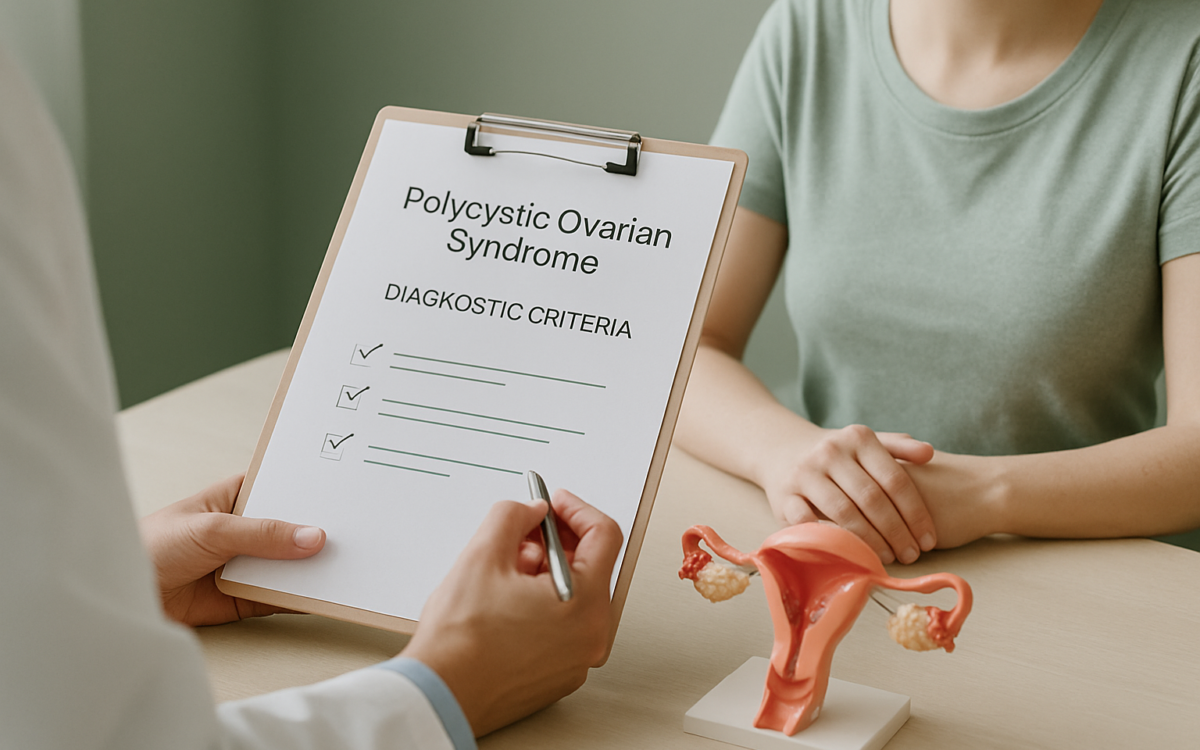
Polycystic Ovarian Syndrome (PCOS) is a common yet complex condition affecting many women of reproductive age. It is characterized by hormonal imbalances and can lead to various symptoms, from irregular menstrual cycles to infertility. Understanding the diagnostic criteria for PCOS is crucial for women experiencing symptoms, as it is the first step towards effective management.
What is Polycystic Ovarian Syndrome?
PCOS is a hormonal disorder that can affect a woman’s overall health and quality of life. The ovaries may develop numerous small collections of fluid (follicles) and fail to regularly release eggs. Although the exact cause of PCOS remains unclear, it is believed to involve a combination of genetic and environmental factors.
Common Symptoms of PCOS
Women with PCOS may experience a range of symptoms, some of which can significantly impact daily life. Symptoms may include:
- Irregular or missed menstrual periods
- Excessive hair growth (hirsutism) on the face and body
- Acne and oily skin
- Weight gain or difficulty losing weight
- Thinning hair or hair loss on the scalp
- Dark patches of skin, often on the neck or under the breasts
It is important to note that while one or more symptoms may emerge, not all women with PCOS will present with the same symptoms.
Diagnostic Criteria for PCOS
Diagnosing PCOS typically involves a combination of assessing symptoms, performing physical exams, and conducting laboratory tests. The most commonly used criteria for diagnosis are set forth by the Rotterdam Consensus (2003), which states that a woman must exhibit at least two of the following three criteria:
- Irregular or absent ovulation, often indicated by irregular menstrual cycles.
- Clinical and/or biochemical signs of hyperandrogenism, such as excessive hair growth, acne, or elevated testosterone levels.
- Polycystic ovaries visible via ultrasound (enlarged ovaries with numerous small cysts).
The criteria allow for a clear path towards diagnosis when considering the specific symptoms each woman presents. However, a healthcare provider’s thorough evaluation is essential, as many conditions can mimic PCOS.
The Role of Ultrasound in Diagnosis
Ultrasound is often utilized to visualize the ovaries and check for cysts. The presence of 12 or more follicles in each ovary or an increased ovarian volume can indicate polycystic ovaries. However, a diagnosis shouldn’t solely rely on ultrasound findings; clinical symptoms play a critical role in confirming PCOS.
In some cases, healthcare providers may conduct additional tests to rule out other conditions that could cause similar symptoms, such as thyroid disorders and adrenal gland issues. A blood test can check hormone levels to further clarify the diagnosis.
Exclusions and Differential Diagnosis
Diagnosing PCOS can be challenging, especially since several health conditions share similar symptoms. Key exclusions need to be considered, including:
- Thyroid dysfunction
- Hyperprolactinemia (high levels of prolactin hormone)
- Adrenal disorders
- Congenital adrenal hyperplasia
Consulting a healthcare provider for a comprehensive evaluation is crucial. They will consider the necessity for blood tests and imaging studies to rule out other conditions before diagnosing PCOS.
Managing PCOS After Diagnosis
Once diagnosed, it’s time to take steps towards managing the condition. Management strategies often include a combination of lifestyle changes and medical treatments tailored to the individual’s symptoms and reproductive goals. Common approaches include:
- Healthy diet and regular exercise to help manage weight and reduce insulin resistance.
- Medications such as hormonal birth control to regulate menstrual cycles and reduce hirsutism.
- Metformin, a medication often used in diabetes management, can also help with insulin resistance in some women.
- Fertility treatments may be necessary for those trying to conceive.
Working closely with healthcare professionals can help determine the best approach for each individual’s unique situation.
When to See a Doctor
If you experience symptoms associated with PCOS, such as irregular menstrual cycles, excessive hair growth, or struggles with weight management, it is essential to consult your healthcare provider. Early diagnosis and management can help alleviate symptoms and reduce the risk of long-term complications, such as diabetes and heart disease.
Conclusion
Understanding the diagnostic criteria for polycystic ovarian syndrome is an important step in managing this complex condition. With appropriate evaluation and personalized care, women with PCOS can successfully navigate their symptoms and lead healthy lives. If you suspect you have PCOS, don’t hesitate to reach out to your healthcare provider for more information and support.
