
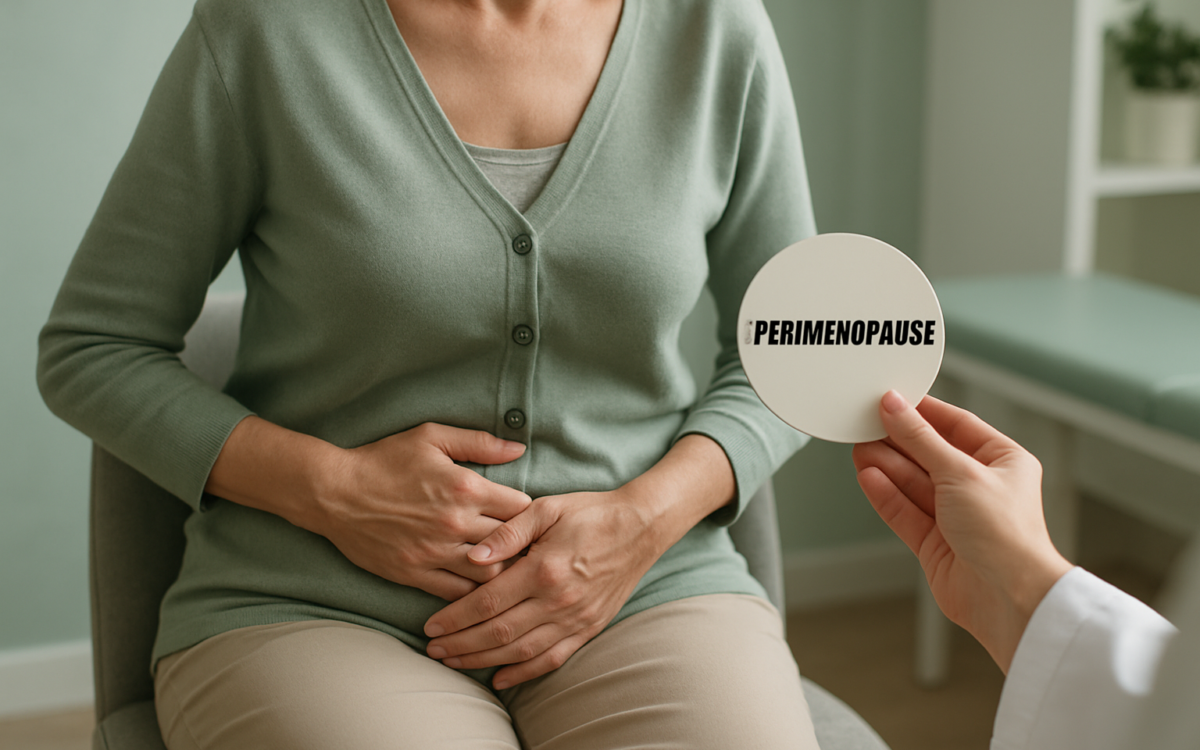
As women approach the end of their reproductive years, they often experience a transition called perimenopause. This phase brings a variety of physical and emotional changes due to fluctuating hormone levels. One question many women ask is: how long does perimenopause last? Understanding this transition can help women navigate this challenging yet natural phase of life.
What is Perimenopause?
Perimenopause is the period leading up to menopause, when a woman’s ovaries gradually begin to produce less estrogen. This time can start as early as a woman’s late 30s and typically lasts anywhere from a few months to several years. During this transition, hormonal fluctuations can lead to various symptoms, making it a unique experience for every woman.
How Long Does Perimenopause Last?
The duration of perimenopause varies significantly among women. On average, perimenopause lasts about 4 years, but it can range from only a few months to over 10 years. According to the National Institutes of Health (NIH), this variability is influenced by several factors, including genetic predisposition, lifestyle, and overall health.
What Changes Occur During Perimenopause?
As women transition through perimenopause, they may encounter a range of symptoms due to hormonal changes. These can include:
- Irregular periods
- Hot flashes
- Night sweats
- Sleep difficulties
- Mood swings and irritability
- Vaginal dryness
These symptoms can vary in intensity and frequency. Some women may find them manageable, while others experience significant discomfort. Understanding that these symptoms are a natural part of the process can help women approach this transition with greater awareness and preparation.
Why Does Perimenopause Happen?
Perimenopause occurs due to changes in hormone production by the ovaries as a woman ages. The decline in estrogen levels affects the menstrual cycle and can lead to the symptoms mentioned above. Additionally, the body may produce fluctuating levels of other hormones, such as progesterone, further impacting how a woman feels during this time. The Centers for Disease Control and Prevention (CDC) emphasizes the importance of recognizing these changes as part of the normal aging process.
How to Manage Perimenopause Symptoms
Managing perimenopause symptoms can involve various approaches, including lifestyle changes and seeking medical advice when necessary. Some helpful strategies include:
- Healthy Diet: Eating a balanced diet rich in fruits, vegetables, lean proteins, and whole grains can support overall health.
- Regular Exercise: Physical activity can help manage weight, improve mood, and promote better sleep.
- Stress Management: Practicing relaxation techniques like yoga, meditation, or deep breathing can alleviate stress and mood swings.
- Medical Options: In some cases, hormone replacement therapy or other medications may relieve severe symptoms. Consulting a healthcare professional can guide you in finding the right approach.
While perimenopause can present challenges, many women find that understanding their bodies and seeking support can make a significant difference.
When to See a Doctor
If you find that your symptoms during perimenopause are troublesome or affecting your daily life, it is important to talk to your doctor. They can help identify effective management strategies and rule out other health issues. If you experience severe symptoms like excessive bleeding, sudden mood changes, or other concerning signs, seeking medical advice promptly is crucial.
Conclusion
Perimenopause is a natural stage in a woman’s life that can span several years. By understanding how long it lasts and the changes that occur, women can empower themselves to navigate this transition with greater ease. Remember that while perimenopause may be challenging, it is not a journey you have to face alone. Seeking support and advice from healthcare professionals can guide you through this important phase of life.
