
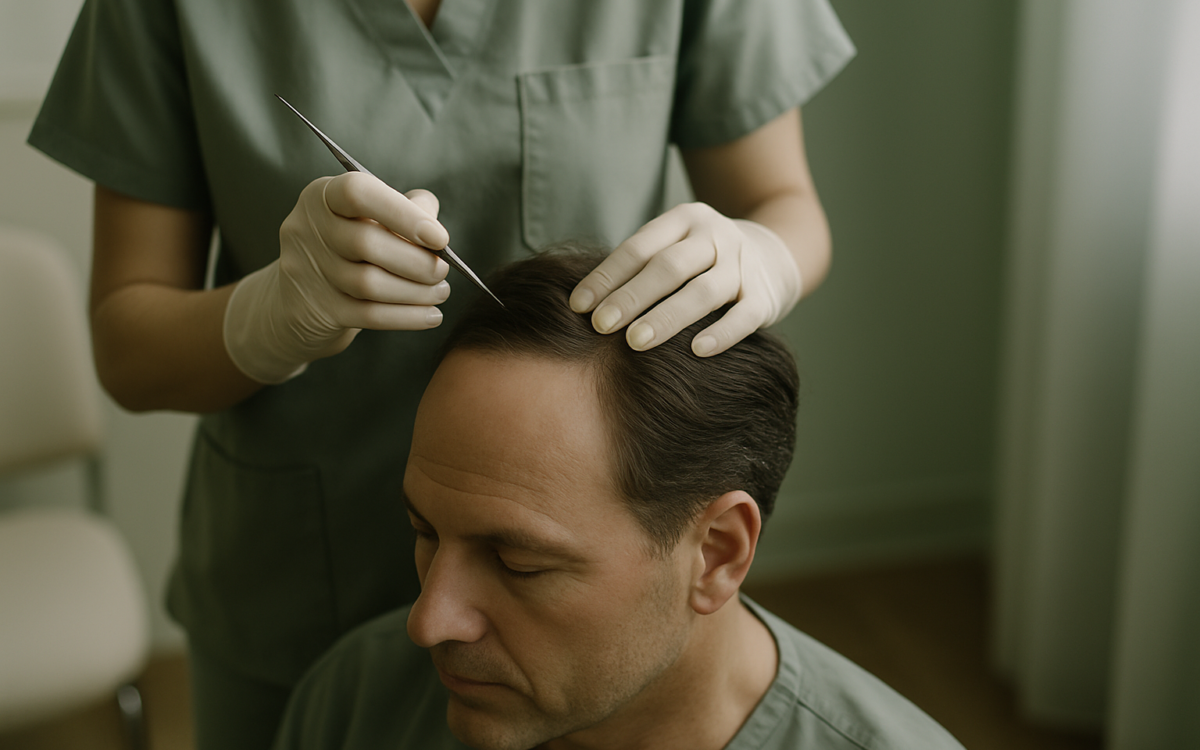
Have you noticed thinning hair or bald spots and feel unsure about your options? You’re not alone. Many people seek ways to restore their hair and regain confidence. The hair replacement process offers various methods to help with hair loss, from non-surgical solutions to surgical interventions. Understanding these options can guide you to make informed decisions that best suit your needs.
Types of Hair Loss
Before delving into the hair replacement process, it’s crucial to understand the types of hair loss. The most common types include:
- Alopecia Areata: An autoimmune disorder that causes sudden hair loss in patches.
- Androgenetic Alopecia: Also known as male or female pattern baldness, this is a hereditary condition.
- Telogen Effluvium: Temporary hair loss due to stress, hormonal changes, or medical conditions.
- Traction Alopecia: Caused by pulling on the hair from tight hairstyles.
Understanding the cause of your hair loss can help determine the best replacement options available.
Non-Surgical Hair Replacement Techniques
For many individuals, non-surgical methods provide a solution without the need for invasive procedures. Here are a few popular options:
Wigs and Hairpieces
Wigs and hairpieces can be excellent choices for immediate coverage. They come in various styles, colors, and materials, allowing for a personalized look. Modern wigs are often designed to closely mimic natural hair and can be made from synthetic fibers or real human hair. Some wigs are even breathable and adjustable for comfort.
Hair Extensions
Hair extensions can add volume and length to existing hair. They are attached using various techniques, such as clip-ins, tapes, or sew-ins. This non-invasive option works well for those looking to enhance their appearance without surgery.
Topical Treatments
Topical solutions like minoxidil (Rogaine) are FDA-approved for treating hair loss. They work by stimulating hair follicles and promoting hair growth. While effective for some, results may vary from person to person, and continuous use is generally required to maintain results. Always consult your doctor before starting any treatment.
Surgical Hair Replacement Options
If non-surgical methods do not meet your needs, surgical options are available. Here are the primary surgery techniques utilized:
Follicular Unit Transplantation (FUT)
FUT involves removing a strip of skin from the back of the head, where hair is typically dense. Hair follicles are then extracted from this strip and implanted into balding areas. This method can be effective for those with significant hair loss. However, it does leave a linear scar at the donor site.
Follicular Unit Extraction (FUE)
FUE is a minimally invasive technique where individual hair follicles are extracted from the scalp and transplanted to thinning areas. It’s less invasive than FUT and results in minimal scarring. FUE can be a good option for individuals looking for a quicker recovery time.
Evaluating the Right Approach for You
Choosing the right hair replacement process depends on various factors, including the cause of your hair loss, personal preferences, and your budget. Here are some key questions to consider:
- What type of hair loss are you experiencing?
- Have you tried non-surgical methods before?
- What is your budget for hair restoration?
- How invasive are you willing to go for results?
Consulting with a hair restoration specialist can further help in assessing your condition and exploring the best options tailored for you.
Potential Risks and Considerations
While many hair replacement methods are considered safe, there are potential risks associated with both non-surgical and surgical options:
- Wigs and Hairpieces: May cause discomfort or irritation if not fitted properly.
- Topical Treatments: Side effects can include scalp irritation or unwanted facial hair growth.
- Surgical Options: Risks include infection, scarring, and dissatisfaction with results.
It’s essential to go through all risks with a healthcare provider before proceeding with any treatment.
When to See a Doctor
If you’re experiencing significant hair loss or if hair loss is accompanied by other symptoms like itching, redness, or skin changes, it may be time to consult a doctor. Seeking professional advice can help identify underlying conditions that might require treatment.
Supporting Your Hair Health
Aside from replacement options, supporting your hair health can play a role in its appearance. A healthy diet rich in vitamins and minerals—like vitamin D, biotin, and iron—can promote healthier hair. Staying hydrated and managing stress are also essential for maintaining hair growth.
In conclusion, the hair replacement process offers various options for those looking to combat hair loss, whether through wigs, topical treatments, or surgical interventions. Each method has its pros and cons, making it imperative to conduct thorough research and consult with professionals to find the most suitable solution tailored to your unique needs. Remember, maintaining realistic expectations and focusing on overall health can be beneficial in your hair restoration journey.
