
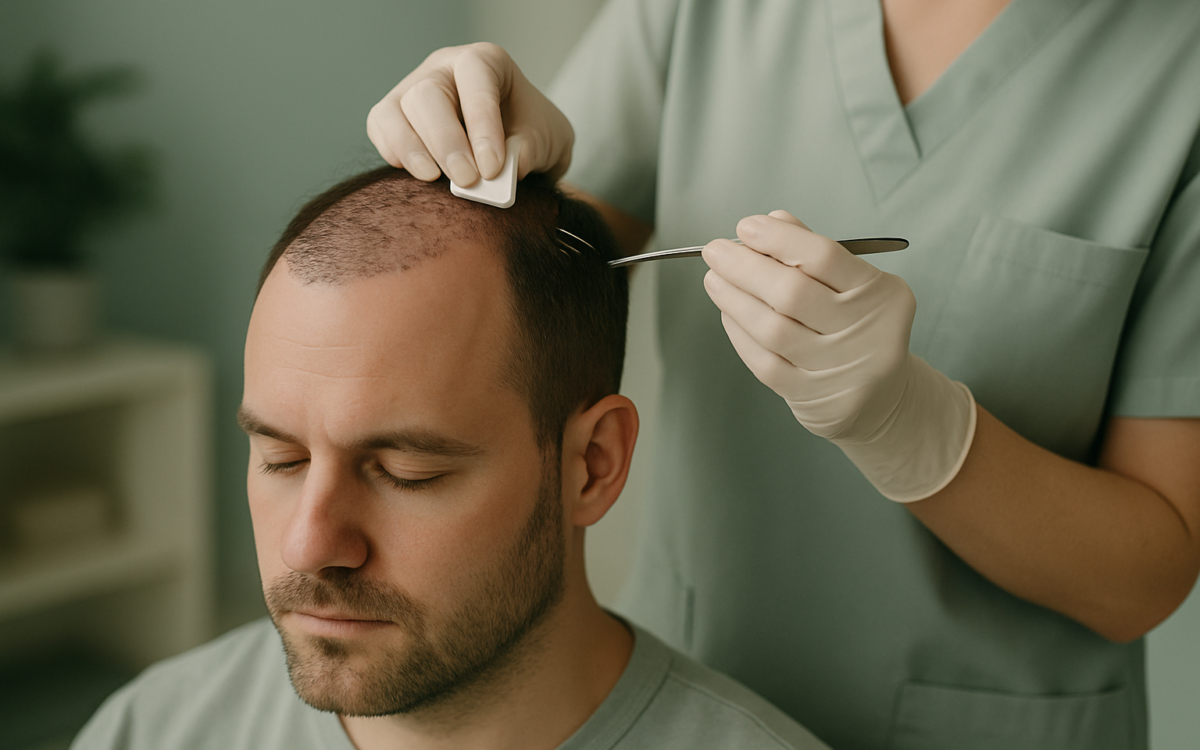
As more people seek solutions for thinning hair, hair implants have gained popularity. Many wonder, however, how long these implants will last and what factors influence their durability. Understanding the lifespan of hair implants can help individuals make informed decisions about their hair restoration journey.
The Basics of Hair Implants
Hair implants, often referred to as hair transplants, are a surgical method used to treat hair loss. The process involves moving hair follicles from a ‘donor site’ on the scalp—usually the back or sides of the head—into the balding areas. This technique has evolved significantly over the years, advancing from strip technique procedures to the more modern follicular unit extraction (FUE), which offers less scarring and quicker recovery times.
How Long Do Hair Implants Last?
The lifespan of hair implants can vary significantly based on several factors, including the method used, the skill of the surgeon, and individual hair growth patterns. Generally, most hair transplant results are permanent, meaning the hair follicles placed in the scalp will continue to grow hair for many years, often a lifetime.
According to a peer-reviewed study published in the National Institutes of Health, the transplanted hair retains its original characteristics. If the donor hair was thick and healthy before the surgery, it is likely to remain that way after transplantation. However, it’s crucial to note that the natural aging process and individual genetic factors can still affect the appearance and volume of hair over time.
Factors Influencing Longevity
The lifespan of hair implants is influenced by a variety of factors:
- Surgeon Expertise: A skilled surgeon can dramatically improve the outcome of your hair transplantation surgery. Their technique, attention to detail, and experience can influence how well the hair follicles integrate into the scalp.
- Individual Health: Overall health plays a crucial role. Health conditions such as hormonal imbalances or diseases can affect hair growth and health.
- Post-Operative Care: Following aftercare instructions is vital. Proper care post-surgery ensures that the transplanted hair has the best environment for growth.
- Genetics: Family history of hair loss can dictate how your hair may change over time, influencing the overall success of your implant.
Setting Realistic Expectations
It’s important to set realistic expectations when considering hair implants. While most people see permanent results, some may experience thinning in non-transplanted areas over time. Thus, while the implanted hairs may remain, other areas may require future interventions.
Furthermore, the growth cycle of hair can lead to periods of shedding and regrowth, which can be concerning for those who undergo the procedure. Newly transplanted hair usually begins to shed within the first few weeks, a part of the natural process, and new hair will start to grow back after a few months.
When Should You Consider Additional Procedures?
As we age, it’s not uncommon for individuals to seek further treatments after their initial hair transplant, especially if thinning progresses in other areas. People often consider additional hair restorative procedures, such as:
- Medication (e.g., minoxidil or finasteride)
- Low-level laser therapy (LLLT)
- Additional hair transplants
Maintaining Healthy Hair After Implants
After getting hair implants, proper maintenance is essential for the longevity of your new hair. Here are some tips:
- Keep your scalp clean and hydrated.
- Use gentle hair care products that do not irritate the scalp.
- Avoid heavy-duty styling products that could weigh the hair down.
- Consider a balanced diet rich in vitamins, minerals, and proteins to support hair health.
When to See a Doctor
If you notice excessive shedding of your transplanted hair or experience signs of infection (such as redness, swelling, or discharge at the transplant site), consult your doctor immediately. Keeping an open line of communication with your healthcare provider is crucial for addressing potential issues early on.
Conclusion
Hair implants offer a promising solution for those suffering from hair loss, with many experiencing long-lasting results. Understanding how long they can last and the factors that influence their longevity allows potential patients to make informed decisions. Always remember the importance of seeking professional guidance and maintaining a healthy scalp environment to enjoy the full benefits of your hair restoration journey.
