
Menopause is a significant phase in a woman’s life, marking the end of her reproductive years. It can also bring about a mix of emotions, physical changes, and lifestyle adjustments. Understanding the age range when menopause typically occurs can help women prepare for and manage this transition more effectively.
What is Menopause?
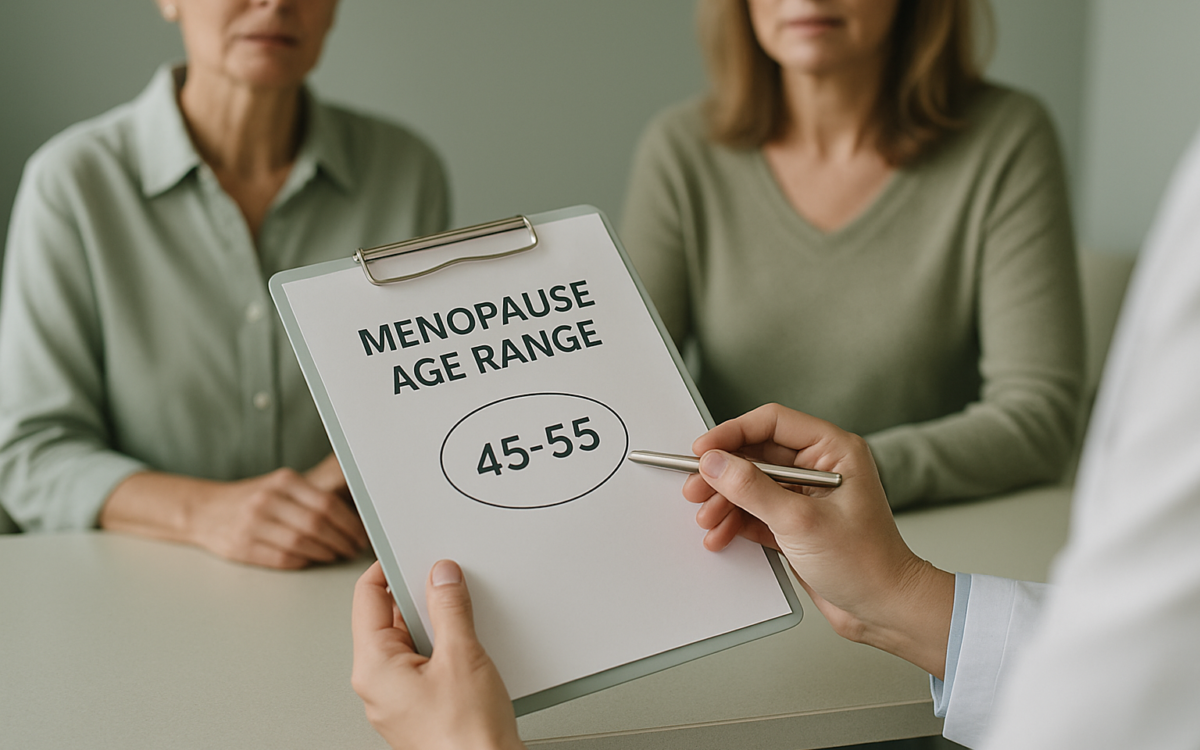
Menopause is defined as the time when a woman has not had a menstrual period for 12 consecutive months. It usually occurs between the ages of 45 and 55, but the experience varies significantly among individuals. The years leading up to menopause, known as perimenopause, can bring hormonal fluctuations, leading to various symptoms.
The Typical Age Range for Menopause
Most women experience menopause between the ages of 45 and 55. According to the National Institute of Child Health and Human Development, the average age of menopause in the United States is about 51. However, some may enter menopause earlier or later than this range due to various factors.
Factors Influencing Menopause Age
- Genetics: Family history can play a role. Women whose mothers had an early menopause may experience it earlier as well.
- Health Conditions: Certain medical conditions or surgeries, like a hysterectomy, can induce menopause earlier.
- Lifestyle Choices: Smoking has been linked to earlier onset of menopause. Additionally, significant weight changes or extreme athletic training can also affect timing.
Stages of Menopause
Menopause is not a sudden change but rather a gradual process divided into three stages:
1. Perimenopause
This stage can begin several years before menopause. Women may experience irregular periods, hot flashes, mood swings, and other symptoms due to hormonal fluctuations.
2. Menopause
When a woman has not had a menstrual period for 12 months, she is considered to have reached menopause.
3. Postmenopause
After menopause, women are in the postmenopausal stage where symptoms may ease for some, while others may continue to experience issues such as vaginal dryness or hot flashes.
Common Symptoms of Menopause
As women approach menopause, it’s common to experience various symptoms that can impact daily life. These include:
- Hot flashes and night sweats
- Irregular periods
- Sleep disturbances
- Mood changes, including anxiety and depression
- Vaginal dryness
- Weight gain
While these symptoms are a natural part of the transition, they can vary widely in intensity and duration. Understanding what to expect can help women cope more comfortably.
Management Options
While menopause is a natural life stage, several options exist to help manage its symptoms:
1. Lifestyle Changes
Regular exercise, a healthy diet, and maintaining a healthy weight can alleviate some symptoms. Olive oil, nuts, and a diet rich in fruits and vegetables may be particularly beneficial.
2. Hormone Replacement Therapy (HRT)
For some women, hormone replacement therapy can alleviate severe symptoms by introducing estrogen and progesterone back into the body. However, it’s important to discuss the benefits and risks with a healthcare provider.
3. Alternative Therapies
Some women turn to herbal remedies or acupuncture. While research on these options is limited, they may provide relief for some individuals.
When to See a Doctor
If you experience extreme symptoms impacting your daily life or have concerns about your menopause experience, consulting a healthcare provider is advisable. They can assist in determining the best management options suited to your individual experience. For more information about menopause, visit the Mayo Clinic.
Conclusion
Menopause is a natural transition in a woman’s life that typically occurs between the ages of 45 and 55. Understanding the age range and stages of menopause, along with typical symptoms and management options, can empower women to embrace this phase of life with confidence. Remember that every woman’s experience is unique, so personalizing your approach can lead to more comfortable management of symptoms.
