
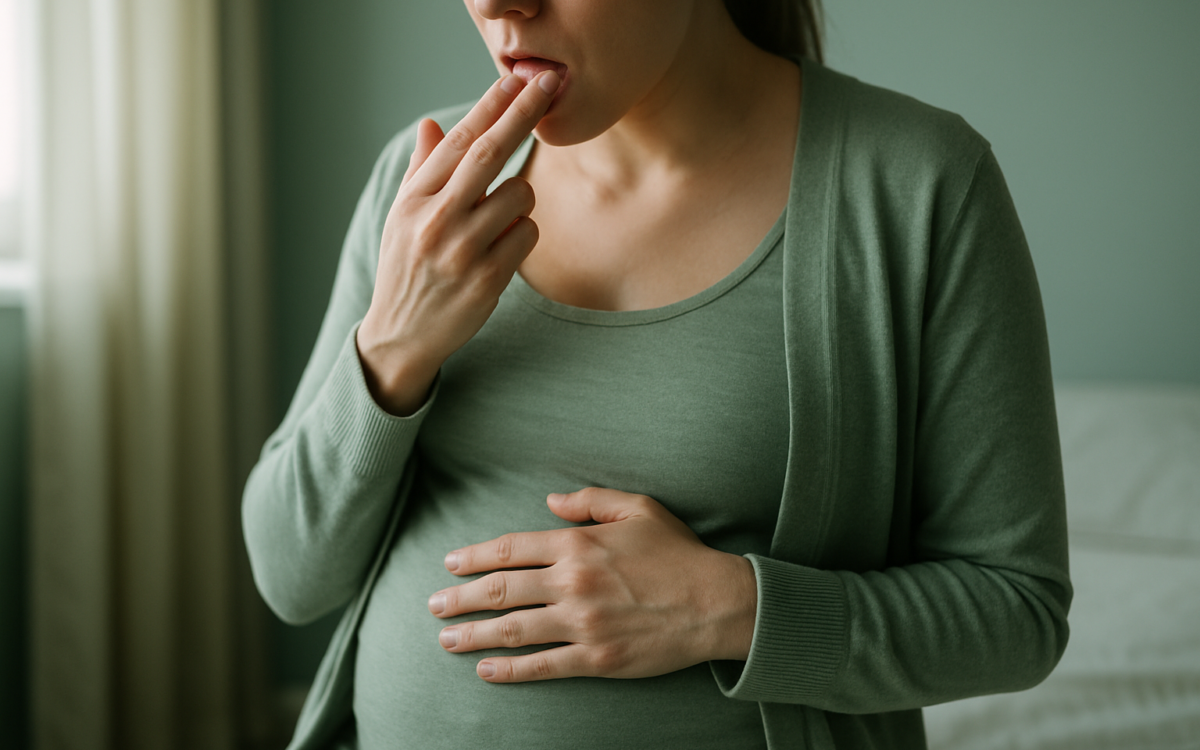
Experiencing a metallic taste in your mouth during pregnancy can be disconcerting for many women. While it might seem strange, this phenomenon is more common than you might think. For some, it appears early in pregnancy, while for others, it might crop up later. Understanding why this happens can help you feel more at ease during this transformative time.
What Causes Metallic Taste in Pregnancy?
The sensation of a metallic taste in the mouth, known scientifically as dysgeusia, often stems from the hormonal changes that occur during pregnancy. Within the first few weeks, rising hormone levels, particularly progesterone and estrogen, can affect your taste buds and olfactory senses, leading to unusual tastes in your mouth.
The Role of Hormones
As your body adjusts to pregnancy, hormonal fluctuations can alter your sense of taste. Estrogen and progesterone are essential for maintaining pregnancy, but they also interact with taste receptor cells. According to some studies, increased levels of estrogen can heighten the sensitivity of taste buds, which might make certain flavors, such as metallic or bitter, more pronounced. This sensitivity can lead to the metallic taste that many pregnant women report experiencing (National Institutes of Health).
Dietary Factors
Your diet during pregnancy can also contribute to the metallic taste. For instance, increased consumption of iron supplements, which are often recommended to help support fetal development, can be a culprit. Iron can leave a metallic aftertaste in the mouth, particularly if taken in liquid or chewable forms. Additionally, cravings and aversions to certain foods may shift your palate, further affecting how you experience taste.
Associated Symptoms
While a metallic taste may be harmless, it can sometimes accompany other symptoms. Commonly reported experiences include:
- Nausea
- Food aversions
- Changes in appetite
- Dry mouth
If you find that the metallic taste is combined with severe nausea or vomiting, it is essential to mention these symptoms to your healthcare provider, as they may indicate a more serious condition.
Potential Underlying Issues
In some cases, a metallic taste during pregnancy might signal other underlying issues. For example, vitamin deficiencies, particularly of B vitamins and zinc, can affect your taste sensation. Additionally, conditions such as periodontal disease or other dental issues could contribute to changes in taste. Therefore, maintaining good oral hygiene and staying on top of prenatal check-ups can be crucial.
Ways to Alleviate the Metallic Taste
If the metallic taste in your mouth is bothersome, there are a few tips you might consider to help alleviate it:
- Stay Hydrated: Drink plenty of water throughout the day to help flush out any lingering tastes.
- Focus on Flavor: Eating foods that are rich in strong flavors, such as citrus fruits or herbs, may help mask the metallic taste.
- Frequent Snacking: Consuming small meals or snacks can keep your mouth busy and may reduce awareness of unpleasant tastes.
- Pursue Good Oral Hygiene: Brushing your teeth and tongue gently, along with regular dental care, can help manage taste changes.
When to See a Doctor
While a metallic taste in your mouth during pregnancy is usually benign, it’s important to consult with your healthcare provider if:
- The metallic taste persists throughout your pregnancy.
- It is accompanied by other symptoms like severe nausea, vomiting, or changes in your overall health.
- You have concerns about your diet or nutritional intake.
Your doctor can help rule out any potential underlying conditions and provide guidance tailored to your specific health needs.
Conclusion
In summary, experiencing a metallic taste during pregnancy is common and often linked to hormonal changes and dietary factors. While it can be an uncomfortable sensation, understanding its causes can help ease your concerns. Remember, if you have any questions or if the taste becomes a significant issue, reach out to your healthcare provider for support. Your health and comfort during this journey are paramount.
