
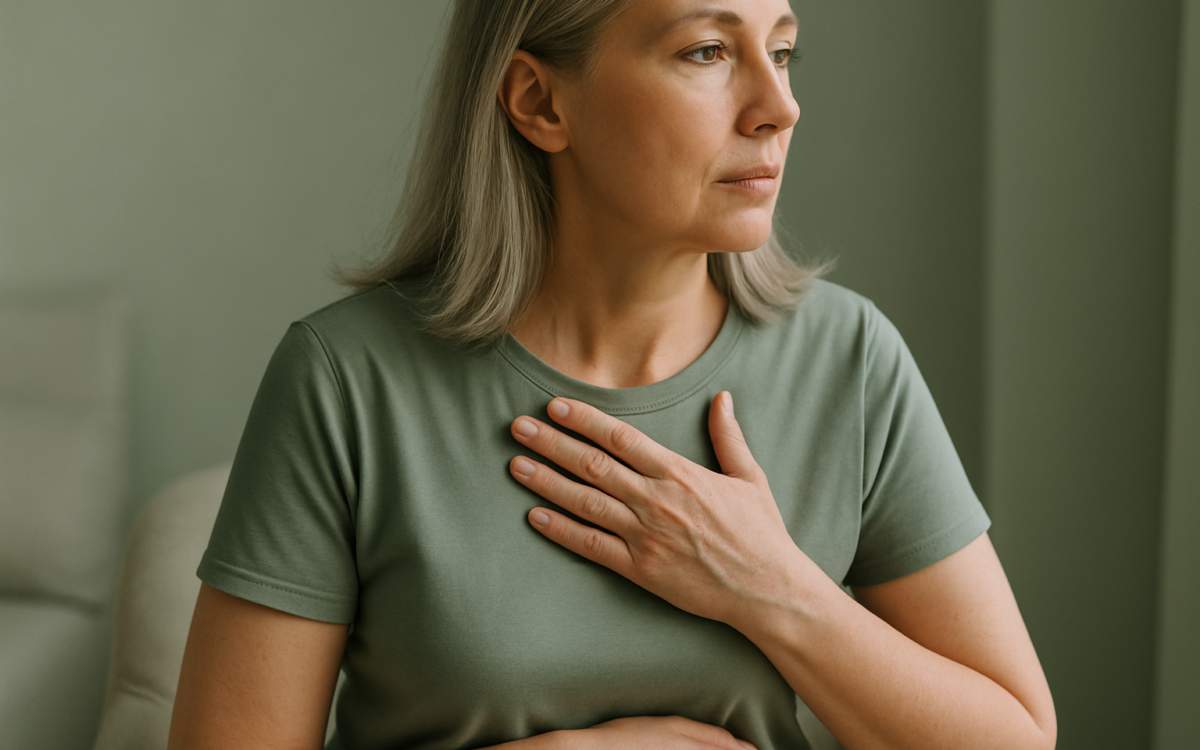
The peri menopausal age marks a significant transition in a woman’s life, signaling the gradual shift towards menopause. This phase, often surrounded by both uncertainty and concern, usually occurs between the ages of 40 and 55, though it can vary widely. Understanding what to expect during this time can help women navigate the changes in their bodies with confidence and clarity. In this article, we’ll delve into the key aspects of peri menopause, from symptoms to hormonal changes and coping strategies.
What is Peri Menopause?
Peri menopause refers to the transition phase before menopause, during which the ovaries gradually produce less estrogen. This stage can last several years, with symptoms often beginning in a woman’s 40s but sometimes starting earlier. It is critical to recognize that while peri menopause includes many physical and emotional changes, it is a natural part of life for all women.
Common Symptoms of Peri Menopause
During the peri menopausal age, women may experience a variety of symptoms, varying in intensity and type. Some of the most common include:
- Irregular Periods: Menstrual cycles may become longer or shorter and may be heavier or lighter than usual.
- Hot Flashes: Sudden feelings of warmth that can cause sweating, particularly at night.
- Mood Changes: Many women experience increased irritability or mood swings during this time.
- Trouble Sleeping: Insomnia or disrupted sleep patterns are common as hormonal fluctuations affect sleep quality.
- Vaginal Changes: Dryness or discomfort during intercourse due to decreasing estrogen levels.
While these symptoms can be bothersome, understanding that they are temporary and part of a natural process can help ease concerns.
Hormonal Changes During Peri Menopause
During the peri menopausal age, hormonal fluctuations are key players. Estrogen and progesterone levels begin to decline, which affects many bodily functions. For example, lower estrogen levels can lead to changes in mood, body temperature regulation, and even metabolism. It is essential to recognize these changes are a normal part of life rather than a sign of illness.
According to the National Institutes of Health, the decrease in these hormones is gradual and can lead to varying experiences for different women. Some may notice only mild symptoms, while others may find the changes more challenging. Understanding your own body is crucial to navigating these changes.
Nutrition and Lifestyle During Peri Menopause
Maintaining a healthy lifestyle is particularly important during the peri menopausal age. Proper nutrition and physical activity can greatly alleviate some of the symptoms. Here are several helpful tips:
- Balanced Diet: Prioritize fruits, vegetables, whole grains, and lean proteins. Foods rich in calcium and vitamin D can support bone health as estrogen levels decrease.
- Regular Exercise: Engage in physical activity regularly. Aim for at least 150 minutes of moderate aerobic activity each week, along with strength training exercises.
- Stay Hydrated: Drink plenty of water. Staying well-hydrated can help with temperature regulation and reduce bloating.
- Stress Management: Incorporate stress-reducing practices, such as yoga, meditation, or hobbies, which can support mental well-being during this transition.
Adopting a healthy lifestyle can significantly impact how easily women move through peri menopause.
Coping with Emotional Changes
The emotional changes that can accompany peri menopause deserve special attention. Fluctuating hormone levels can lead to mood swings, anxiety, and depressive symptoms. Here are some strategies to cope:
- Talk It Out: Consider joining a support group or talking to friends and family about your experiences.
- Professional Help: Seeking help from a mental health professional can provide strategies for managing anxiety or depression.
- Mindfulness Practices: Engaging in mindfulness or relaxation techniques can help ground your emotions and enhance overall well-being.
Emotional health is just as important as physical health during this period, and recognizing the need for support is a vital step.
When to See a Doctor
While many symptoms of peri menopause are normal, certain situations warrant a doctor’s visit. If you experience:
- Severe hot flashes that interfere with daily life.
- Heavy or prolonged menstrual bleeding.
- Symptoms of severe depression or anxiety that disrupt your daily activities.
- Changes in your health status or concerns regarding your reproductive health.
It’s essential to consult your doctor for personalized advice and support. They can help you determine the best strategies for managing symptoms and making this transition smoother.
Conclusion
The peri menopausal age can feel daunting, but it is a natural and significant phase of life. By understanding the changes that occur, recognizing symptoms, and maintaining a healthy lifestyle, women can navigate this transition with confidence. Embrace this time for personal growth, and don’t hesitate to reach out for support when needed. Remember, you are not alone in this journey.
