
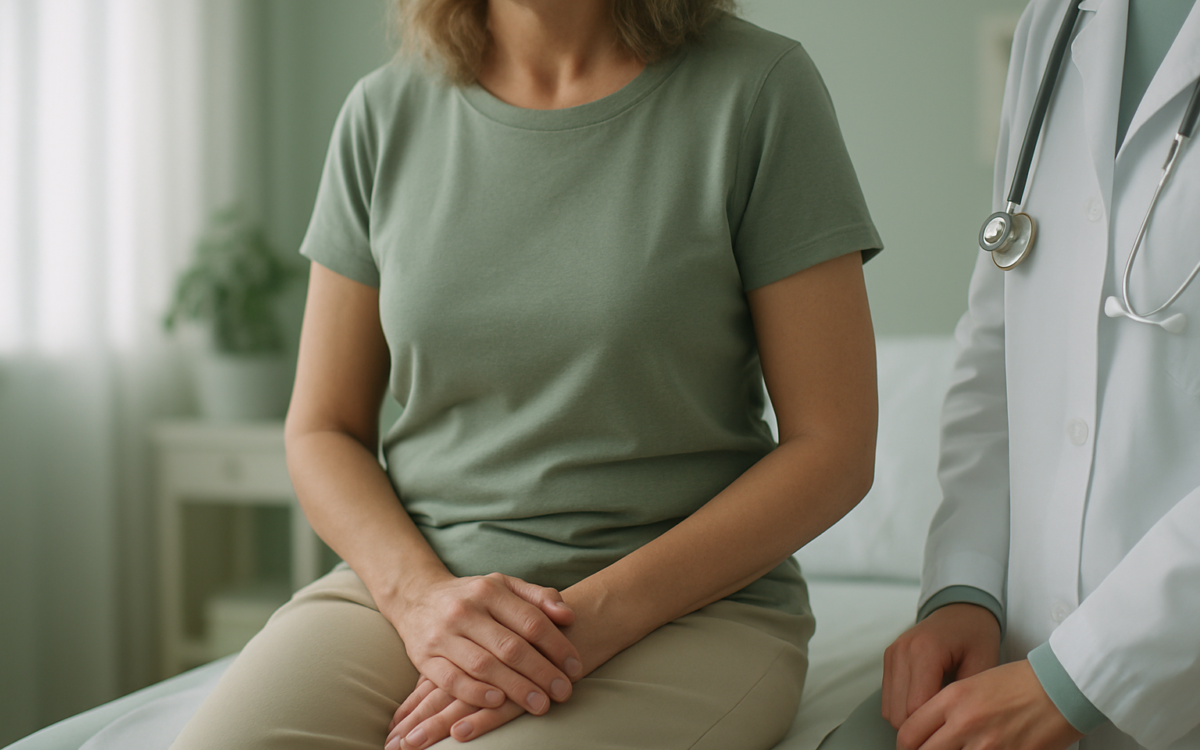
The journey of womanhood is filled with many phases, each unique and important. One such phase is the premenopausal age, a period that often brings various changes and signals the transition towards menopause. Understanding what this age entails can help women navigate its challenges and prepare for the future.
What is Premenopause?
Premenopause refers to the time before a woman experiences menopause, the stage when her body gradually stops producing estrogen and progesterone, leading to the end of menstrual cycles. Typically, premenopause encompasses the years leading up to menopause, which usually occurs in a woman’s late 40s to early 50s.
During the premenopausal age, many women begin to notice fluctuations in their menstrual cycles, changes in mood, and physical symptoms due to hormonal shifts. This phase is essential for understanding one’s body and addressing any concerns that may arise.
Common Symptoms in the Premenopausal Age
As women enter the premenopausal age, they may experience a variety of symptoms. Some of the most common include:
- Irregular Menstrual Cycles: The length and heaviness of periods may change, becoming more unpredictable.
- Hot Flashes: Sudden feelings of warmth, often accompanied by sweating, are a hallmark of hormonal changes.
- Mood Swings: Emotional fluctuations can occur due to changing hormone levels.
- Sleep Disturbances: Difficulty sleeping or changes in sleep patterns are common complaints.
- Weight Changes: Some women may notice weight gain or changes in body shape.
Understanding these symptoms is crucial, as they can impact daily life and overall well-being. Tracking these changes can help women discuss their experiences with healthcare providers effectively.
Hormonal Changes During Premenopause
During the premenopausal age, hormonal fluctuations are the main drivers of symptoms. Estrogen and progesterone levels can vary significantly, affecting various body systems. For example, lower estrogen levels can lead to osteoporosis over time, while changes in progesterone can affect the menstrual cycle.
These hormonal shifts can also influence cardiovascular health, mental health, and other bodily functions. Women may notice increased anxiety or depression during this time, highlighting the need for mental well-being strategies.
Lifestyle Adjustments for Managing Symptoms
While hormonal changes are natural, certain lifestyle adjustments can help manage symptoms effectively. Here are some strategies:
- Maintain a Balanced Diet: Eating a diet rich in fruits, vegetables, whole grains, and lean proteins can help maintain overall health. Incorporating foods high in calcium and vitamin D is essential for bone health as estrogen levels decline.
- Stay Active: Regular physical activity can help manage weight, improve mood, and reduce the severity of hot flashes.
- Practice Stress Management: Yoga, meditation, and deep-breathing exercises can be beneficial for reducing anxiety and improving overall well-being.
- Get Enough Sleep: Prioritizing sleep hygiene can help combat sleep disturbances. This includes establishing a routine, creating a comfortable sleep environment, and avoiding stimulants before bedtime.
- Stay Hydrated: Drinking plenty of water can help alleviate some symptoms, especially during hot flashes.
These adjustments not only improve symptoms but also promote long-term health, making them worthwhile considerations for women in their premenopausal years.
When to See a Doctor
If you’re experiencing symptoms that are severe, disruptive, or concerning, it may be time to consult a healthcare provider. Signs that you should seek medical advice include:
- Menstrual cycles that become extremely irregular or stop altogether suddenly.
- Severe hot flashes that disrupt daily life.
- Persistent mood changes, such as prolonged anxiety or depression.
- Experiencing heavy bleeding or spotting between periods.
Consulting with a healthcare professional can provide insights and management options tailored to your circumstances.
Looking Ahead: Transition to Menopause
The premenopausal age is a significant transition period. Understanding what to expect can empower women as they approach menopause. While every woman’s experience is unique, being informed allows for better decision-making regarding health and lifestyle.
Education and communication with healthcare providers play crucial roles during this phase. Women should feel empowered to ask questions and address any concerns they might have as they prepare for the next stage of their lives.
The premenopausal age may be marked by challenges, but it also offers opportunities for growth, reflection, and planning for the future. By understanding the changes your body is undergoing, you can approach this transformation with confidence.
