
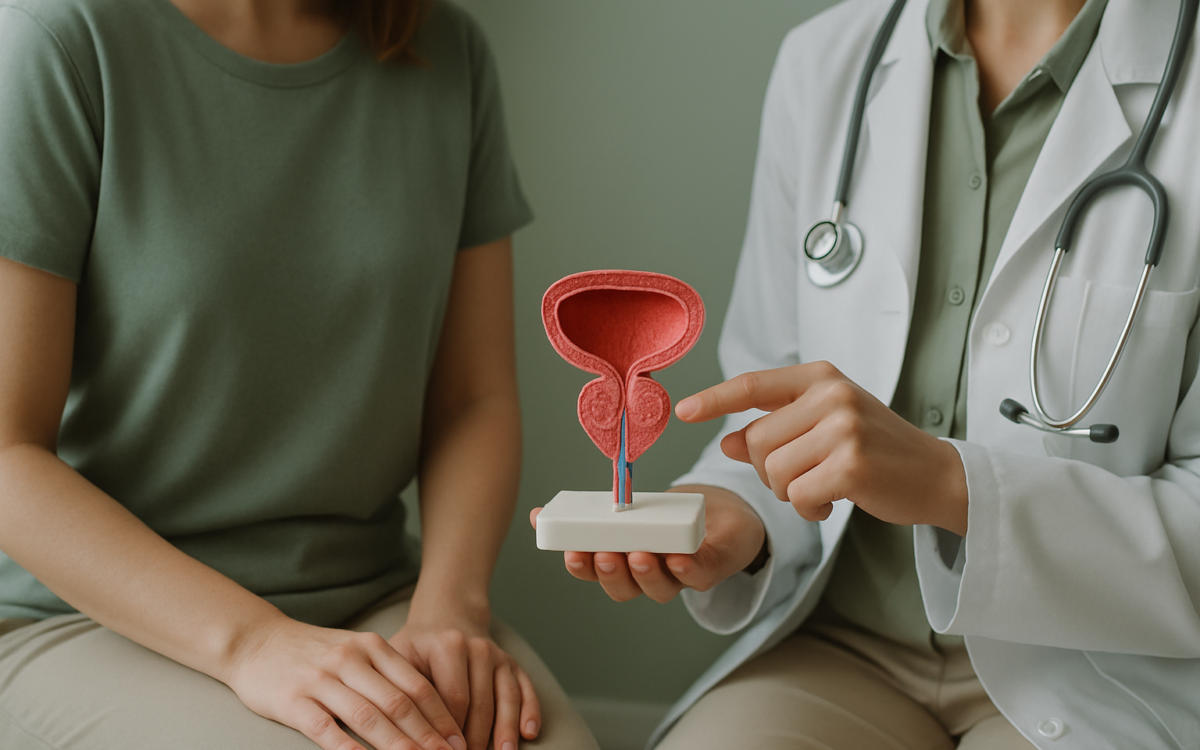
When we think of the prostate, we often associate it primarily with men’s health. However, there are aspects we should consider regarding this gland and its relevance to women. Although women do not have a prostate gland in the same way men do, understanding prostate health is important for everyone, regardless of gender.
What is the Prostate?
The prostate is a small gland found in men that is part of the male reproductive system. It is located just below the bladder and surrounds the urethra—a tube that carries urine and semen out of the body. The prostate produces seminal fluid, which nourishes and transports sperm during ejaculation.
Do Women Have a Prostate?
The direct answer is no; women do not have a prostate gland like men. However, women do have prostate-like tissues. These are known as the Skene’s glands, located near the urethra. Though they serve a different function, they can be considered analogous to the prostate.
Understanding Skene’s Glands
Skene’s glands are also referred to as the female prostate, as they share some functional characteristics with the male prostate. These glands secrete fluids that help lubricate the urethra and are involved in sexual arousal. It’s important to note that not all women experience noticeable functions from these glands, and their roles can vary widely among individuals.
Importance of Prostate Awareness for All Genders
Even though women don’t have a prostate, being aware of prostate health is important for several reasons. Knowledge about prostate health issues—such as benign prostatic hyperplasia (BPH), prostatitis, or prostate cancer—can lead to more substantial conversations around men’s health. Understanding these conditions may help women in their lives advocate for their partners, fathers, or friends who may be at risk.
Furthermore, discussions around prostate health can illustrate broader themes related to sexuality, identity, and anatomy, affecting relationships and health dynamics. This knowledge is also crucial should anyone in their community—whether male or female—develop prostate-related health issues.
International Perspectives on Prostate Health
Prostate health awareness varies globally, with some cultures placing a higher emphasis on men’s health screenings than others. For instance, organizations such as the World Health Organization (WHO) promote understanding and research on prostate-related health concerns. Clinics like Acibadem International offer comprehensive check-ups and support for individuals dealing with these issues. Increased access to education can help decrease stigma and facilitate necessary conversations around prostate health.
The Role of Education in Healthcare
Education plays a vital role in promoting health across all genders. By encouraging open dialogue about prostate health, communities can reduce the stigma surrounding these issues. This openness promotes regular check-ups and early detection, potentially saving lives. Women who understand men’s health issues can better support their partners and improve overall well-being.
Mind the Myths
There are many misconceptions surrounding the prostate and women’s health regarding related issues. For instance, some might think that the absence of a prostate in women makes them less involved in discussions about prostate health, when in fact, understanding this gland can have significant implications for familial and sexual relationships.
When to See a Doctor
While women do not need to have regular prostate exams themselves, they should be vigilant about the health of the men in their lives. If a male family member is experiencing symptoms like difficulty urinating, blood in urine, or pelvic pain, encourage them to speak to a healthcare provider.
Additionally, if a woman has concerns about her own reproductive health or experiences any unusual symptoms related to her Skene’s glands or urinary function, seeking medical advice is advised.
Conclusion
In summary, while women do not have a prostate in the traditional sense, the proximity of prostate-like tissues does hold significance. Understanding these issues promotes better communication and healthcare practices among all individuals. Emphasizing the importance of prostate health awareness fosters a culture of support and advocacy, ultimately benefiting everyone.
