
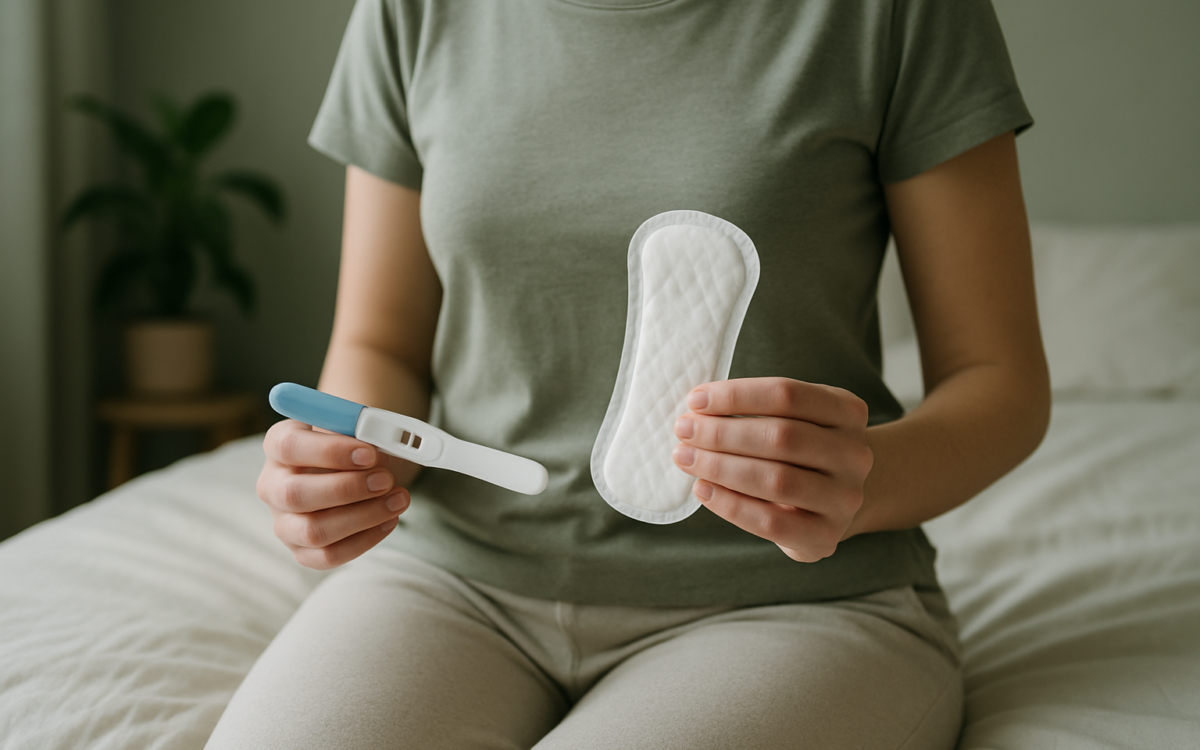
Having a late period can be a source of anxiety for many people. While the most straightforward reason might be pregnancy, there are numerous other factors that can influence your menstrual cycle. In this article, we’ll explore some of the most common reasons why your period could be late. Understanding these factors can help you feel more informed and prepared.
Stress and Emotional Factors
Stress is a major player in many aspects of health, including the menstrual cycle. When you experience stress—whether it’s from work, family issues, or even excitement—your body may respond by disrupting the hormonal balance needed for a regular menstrual cycle.
Chronic stress can lead to elevated levels of cortisol, a hormone that can interfere with the production of reproductive hormones like estrogen and progesterone. This disruption can delay or even skip your period altogether.
Changes in Weight
Significant changes in body weight—either gain or loss—can also affect your menstrual cycle. The body maintains a delicate balance, and sudden changes can lead to hormonal fluctuations that impact ovulation.
If you lose a drastic amount of weight in a short period, your body may not have enough fat to produce the hormones necessary for ovulation. Similarly, gaining weight can lead to conditions like polycystic ovary syndrome (PCOS), which is characterized by irregular menstrual cycles. According to the CDC, maintaining a healthy weight is essential for hormonal balance.
Hormonal Imbalances
Hormonal imbalances can have various causes, including thyroid issues, polycystic ovary syndrome (PCOS), and even menopause. The thyroid gland produces hormones that can influence your menstrual cycle. If your thyroid is either underactive (hypothyroidism) or overactive (hyperthyroidism), it can lead to changes in your period.
PCOS is another common cause of hormonal imbalance. Women with PCOS often experience irregular periods, as the condition involves an overproduction of androgens (male hormones), leading to a disruption of the hormonal signals required for normal menstruation. For more information on PCOS, check out resources from the Mayo Clinic.
Pregnancy and Related Conditions
The most obvious reason for a late period is pregnancy. If you are sexually active and your period is late, a home pregnancy test can help determine if you are pregnant. These tests measure the hormone hCG, which is produced shortly after a fertilized egg attaches to the uterus.
Other pregnancy-related conditions, such as ectopic pregnancy or miscarriage, can also affect your menstrual cycle. It’s essential to consult a healthcare provider if you suspect pregnancy to ensure everything is proceeding normally.
Medications and Birth Control
Certain medications, particularly hormonal birth control methods, can alter your menstrual cycle. Some people may experience lighter periods or even missed periods while on the pill, patch, or hormonal IUD. If you’ve recently started or changed your birth control method, this might be the reason for your late period.
Some medications for conditions like depression or anxiety, as well as certain chemotherapy drugs, can also lead to menstrual irregularities. Always discuss any new symptoms with your doctor if you’re taking medication.
Health Conditions
Some underlying health conditions can interfere with menstrual regularity. For example, uterine fibroids, adenomyosis, or endometriosis can disrupt the normal cycle and cause missed periods. Conditions like diabetes or celiac disease can also affect menstrual health due to their impact on overall hormonal and bodily functions.
If you have a known health condition that’s affecting your cycle, be sure to work with your healthcare provider for management and potential treatment options. More information about these health concerns can be found on the NIH website.
When to See a Doctor
If your period is consistently late or if you experience other worrisome symptoms, it’s important to consult a healthcare professional. Some signs that you should seek medical advice include:
- Periods that are consistently irregular.
- Severe pain or unusual bleeding.
- Unexpected weight changes.
- Symptoms of pregnancy.
- Fatigue, hair loss, or other symptoms of hormonal imbalance.
Only a healthcare provider can offer a proper diagnostic evaluation and recommend appropriate actions based on your individual health circumstances.
Conclusion
A late period can stem from various causes, each worthy of understanding. From stress and lifestyle changes to hormonal imbalances and medical conditions, recognizing the potential reasons can help you decide when to seek further evaluation. Ultimately, it’s about listening to your body and reaching out for help when something feels off.
