
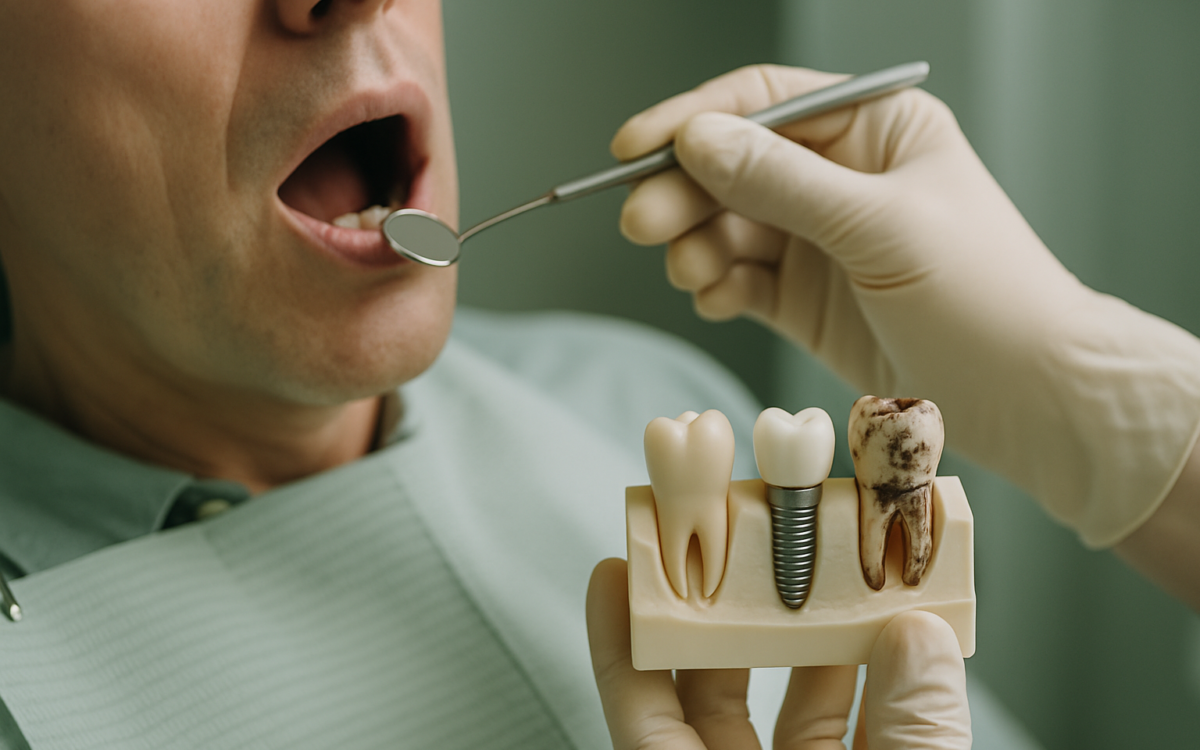
Dental implants are often seen as a reliable solution for replacing missing teeth. However, not all implants are created equal. Sometimes, the implants can fail or lead to complications, creating more problems than they solve. Understanding the risks associated with bad dental implants is essential for anyone considering this treatment.
What are Dental Implants?
Dental implants are artificial roots placed in the jawbone. They serve as a foundation for replacement teeth, such as crowns or dentures. Made from titanium or other materials, they are designed to integrate with the bone, creating a strong and stable structure for chewing and smiling.
Reasons for Bad Dental Implants
While dental implants have a high success rate, certain factors can contribute to their failure. Here are some common reasons:
- Infection: Sometimes, bacteria can invade the implant site, leading to infection. This can occur during the procedure or afterward.
- Poor Bone Quality: If the jawbone isn’t dense enough to support the implant, it can fail. Bone density varies among individuals, and extensive tooth loss may have weakened the bone.
- Improper Placement: Skill is crucial in implant placement. A poorly positioned implant can lead to discomfort and complications, affecting the jaw and surrounding teeth.
- Allergic Reactions: Some patients may experience allergic reactions to the materials used in implants, leading to inflammation and rejection of the implant.
- Improper Maintenance: Just like natural teeth, dental implants require upkeep. Neglecting oral hygiene can lead to gum disease, which may jeopardize the implant.
Signs of Bad Dental Implants
If you have a dental implant, it’s vital to be aware of potential signs that something may be wrong. Watch for the following:
- Pain or Discomfort: Persistent pain, especially around the implant site, can signal complications.
- Swelling or Redness: Inflamed gums or swelling around the implant may indicate infection.
- Mobility: If the implant feels loose or unstable, it may have failed.
- Unusual Sensations: Tingling or numbness in the surrounding area could indicate nerve damage or other issues.
Complications of Bad Dental Implants
Complications arising from bad dental implants can significantly impact your health and well-being. Here are some potential complications:
- Bone Loss: If an implant fails, it can lead to loss of bone in the jaw, affecting overall facial structure and future dental options.
- Gum Disease: Infection around the implant can lead to gum disease, which may require extensive treatment and possible tooth loss.
- Increased Costs: Treating complications from a failed implant can incur additional expenses for corrective procedures.
- Emotional Impact: Problems with dental implants can affect self-esteem and quality of life, leading to anxiety over appearance and health.
How to Avoid Bad Dental Implants
While not all complications can be prevented, there are steps you can take to minimize risks:
- Choose the Right Specialist: Ensure your dental implant is placed by a qualified and experienced dentist or oral surgeon. Look for credentials and reviews.
- Undergo a Thorough Assessment: Before getting implants, ask for a comprehensive evaluation of your jawbone health to ensure it’s suitable for the procedure.
- Follow Pre- and Post-Surgery Instructions: Adhere to your dentist’s advice before and after the procedure for optimal healing.
- Maintain Good Oral Hygiene: Brush and floss regularly and attend routine dental check-ups to catch issues early.
When to See a Doctor
If you experience persistent pain, swelling, or any unusual symptoms around a dental implant, it’s crucial to consult with your dentist or oral surgeon. Early intervention can prevent further complications.
Conclusion
Understanding the potential issues related to bad dental implants allows you to take proactive steps to safeguard your oral health. By choosing a qualified provider and prioritizing dental care, you can enhance the likelihood of a successful dental implant experience. Always consult with your healthcare provider for personalized advice and treatment.
