
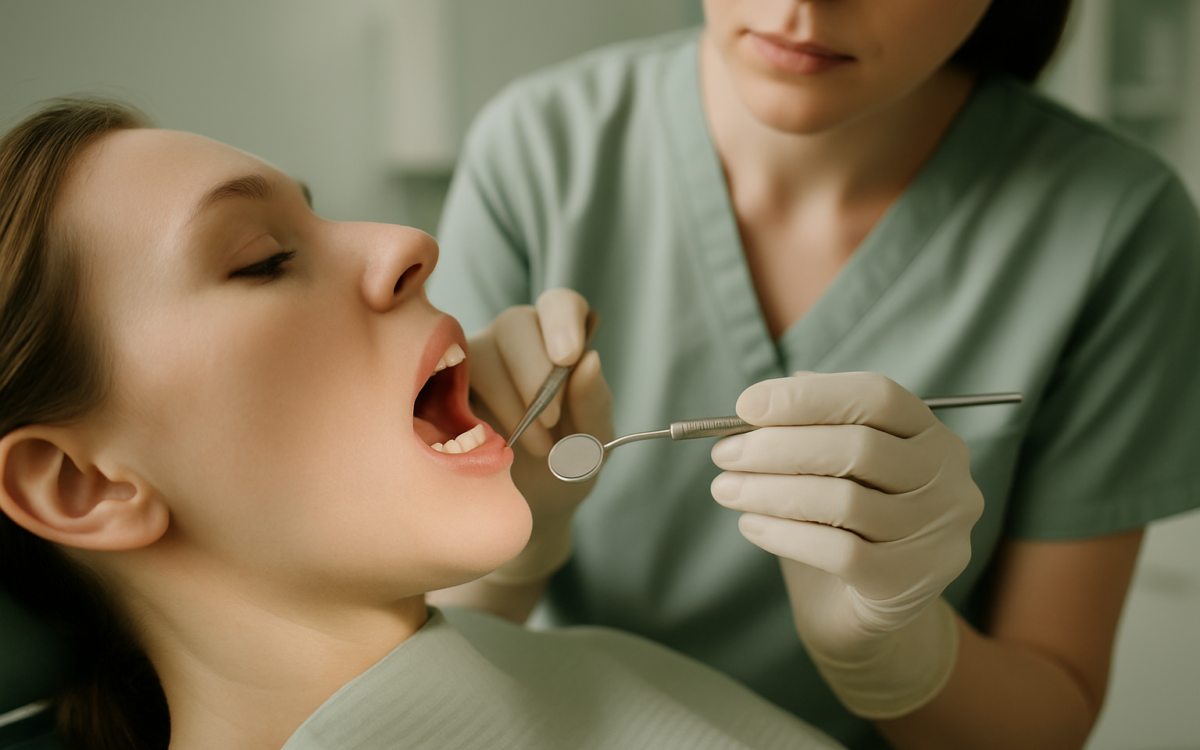
Gum disease, also known as periodontal disease, is an infection of the tissues that surround and support your teeth. It’s often caused by poor oral hygiene, leading to plaque buildup—sticky bacteria that form on your teeth. If left untreated, gum disease can progress, leading to more severe dental issues, including tooth loss. Fortunately, your dentist plays a crucial role in both the prevention and treatment of gum disease.
What is Gum Disease?
Gum disease usually begins with gingivitis, which is the mildest form of the disorder. Symptoms may include:
- Red, swollen gums
- Bleeding while brushing or flossing
- Bad breath
If not addressed, gingivitis can develop into periodontitis, a more serious condition that can result in loss of tooth-supporting structures. Periodontitis may also contribute to other health issues, including diabetes and heart disease.
How Does My Dentist Help?
Your dentist is your first line of defense against gum disease. Here are key ways they can assist:
Regular Check-Ups
Visiting your dentist regularly—typically every six months—allows them to monitor your oral health effectively. During these visits, your dentist can:
- Check for early signs of gum disease
- Conduct professional cleanings to remove plaque and tartar
- Provide personalized hygiene advice
Professional Cleanings
Even with proper brushing and flossing, plaque may still build up over time. Your dentist can perform a deep cleaning known as scaling and root planing. This procedure involves:
- Removing plaque and tartar from above and below the gum line
- Smoothing rough spots on the tooth roots to help gums reattach
This treatment can be critical for reversing gingivitis and preventing periodontitis.
Understanding Risk Factors
Not everyone is equally at risk for gum disease. Various factors may increase susceptibility:
- Smoking: Tobacco use is strongly associated with increased gum disease risk.
- Age: The likelihood of gum disease increases with age.
- Genetics: Some people may be genetically predisposed to gum disease.
- Health Conditions: Conditions like diabetes can impact gum health.
Understanding these risk factors can help you discuss your specific situation with your dentist.
At-Home Care Tips
In addition to professional care, ongoing maintenance at home is vital for healthy gums. Here are some effective practices:
- Brush Twice Daily: Use a soft-bristled toothbrush and fluoride toothpaste.
- Floss Daily: Ensure to floss between your teeth to remove food particles and plaque.
- Use Mouthwash: An antimicrobial mouthwash can help reduce plaque and gingivitis.
Your efforts at home complement the work your dentist does and can significantly improve your gum health.
Signs You Need to Visit Your Dentist
It’s essential to remain attuned to changes in your oral health. Look out for:
- Persistent bad breath that doesn’t improve
- Gums that are red, swollen, or painful
- Teeth that appear longer due to gum recession
- Loose teeth or changes in how your teeth fit together
If you notice any of these signs, consult your dentist as soon as possible.
When to See a Doctor
While regular dental check-ups are crucial, you should reach out to your dentist outside of these visits if you experience:
- Severe tooth pain
- Significant swelling in your gums
- Continuous bleeding when brushing your teeth
Timely intervention can prevent serious complications related to gum disease and preserve your overall oral health.
Conclusion
Your dentist is an invaluable partner in maintaining your gum health. By understanding the importance of gum disease prevention and treatment, you empower yourself to take charge of your oral health. Regular check-ups, professional cleanings, and diligent at-home care can work together to keep your gums healthy and happy.
