
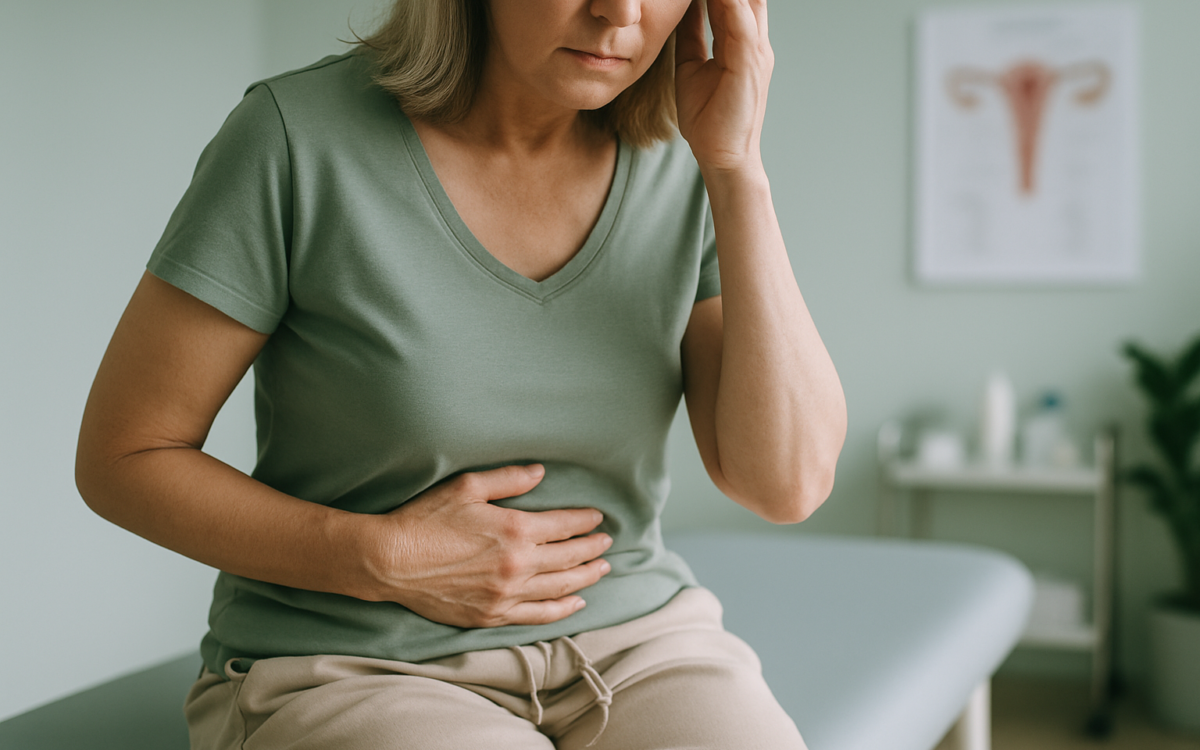
As women approach their late 30s and early 40s, they may begin to notice changes in their bodies that signal the start of perimenopause. This transition can be confusing, as it marks the beginning of a new chapter in a woman’s reproductive life. Being aware of the signs of perimenopause can empower women to better understand what their bodies are experiencing and when to seek help.
What is Perimenopause?
Perimenopause is the time leading up to menopause, characterized by changes in hormone levels, particularly estrogen and progesterone. This phase can last several years, often beginning in a woman’s 30s or 40s, and can be different for everyone. According to the National Heart, Lung, and Blood Institute, most women experience perimenopause for about four years, but for some, this stage can last much longer.
Common Signs of Perimenopause
Identifying the signs of perimenopause can help women prepare for impending changes. Common symptoms include:
- Irregular Periods: Menstrual cycles may become shorter, longer, heavier, or lighter.
- Hot Flashes: Sudden feelings of heat, often accompanied by sweating and sometimes followed by chills.
- Night Sweats: Hot flashes that occur during sleep, often leading to disrupted sleep patterns.
- Sleep Disturbances: Difficulty falling asleep or staying asleep, which may be exacerbated by night sweats.
- Mood Changes: Increased irritability, anxiety, or even depression that can be linked to hormonal fluctuations.
- Vaginal Dryness: A decrease in estrogen can lead to dryness or discomfort during sexual intercourse.
- Changes in Libido: Some women may experience a decrease in sexual desire, while others might have an increase.
Hormonal Changes and Their Effects
As women enter perimenopause, the ovaries gradually produce less estrogen and progesterone. This hormonal imbalance can lead to the variety of symptoms mentioned above. According to the Mayo Clinic, women may also notice weight gain, particularly around the abdomen, due to these hormonal changes. Keeping track of changes can help monitor your health during this time.
Impact on Physical Health
The physical changes associated with perimenopause can also affect overall health. The drop in estrogen levels can contribute to a decline in bone density, increasing the risk of osteoporosis. Women may also face a higher risk for cardiovascular issues. According to the World Health Organization, understanding these risks is crucial for maintaining health as women age. Regular check-ups, a balanced diet, and exercise can help mitigate these risks.
Emotional and Mental Well-Being
The hormonal fluctuations during perimenopause can significantly impact emotional and mental health. Many women report mood swings, anxiety, and even feelings of sadness during this transition. It’s important to recognize that these feelings are valid. Seeking support from friends, family, or professionals can be beneficial. Engaging in stress-reducing activities like yoga, meditation, or even simple hobbies can enhance mental well-being.
Managing Symptoms
While perimenopause is a natural process, there are ways to manage symptoms effectively. Here are some strategies:
- Lifestyle Changes: Regular exercise, a healthy diet, and adequate sleep can significantly alleviate symptoms.
- Alternative Therapies: Some women find relief through herbal supplements or acupuncture, though it’s essential to consult a healthcare provider before starting any new treatment.
- Medications: In some cases, hormone therapy or other medications may be recommended to manage severe symptoms.
When to See a Doctor
If you notice signs of perimenopause impacting your daily life, it’s important to consult a healthcare professional. Seek advice if you experience:
- Severe mood swings or depression.
- Significant changes in your menstrual cycle or prolonged bleeding.
- Any new symptoms that concern you.
Finding the right support and information is critical during this transition. Your doctor can provide insights on managing symptoms and maintaining your overall health.
Conclusion
Recognizing the signs of perimenopause allows women to understand and accept this natural phase of life. By staying informed and proactive, women can navigate perimenopause with confidence. Remember, every woman experiences this transition uniquely, so paying attention to your body and seeking support when needed is key.
