
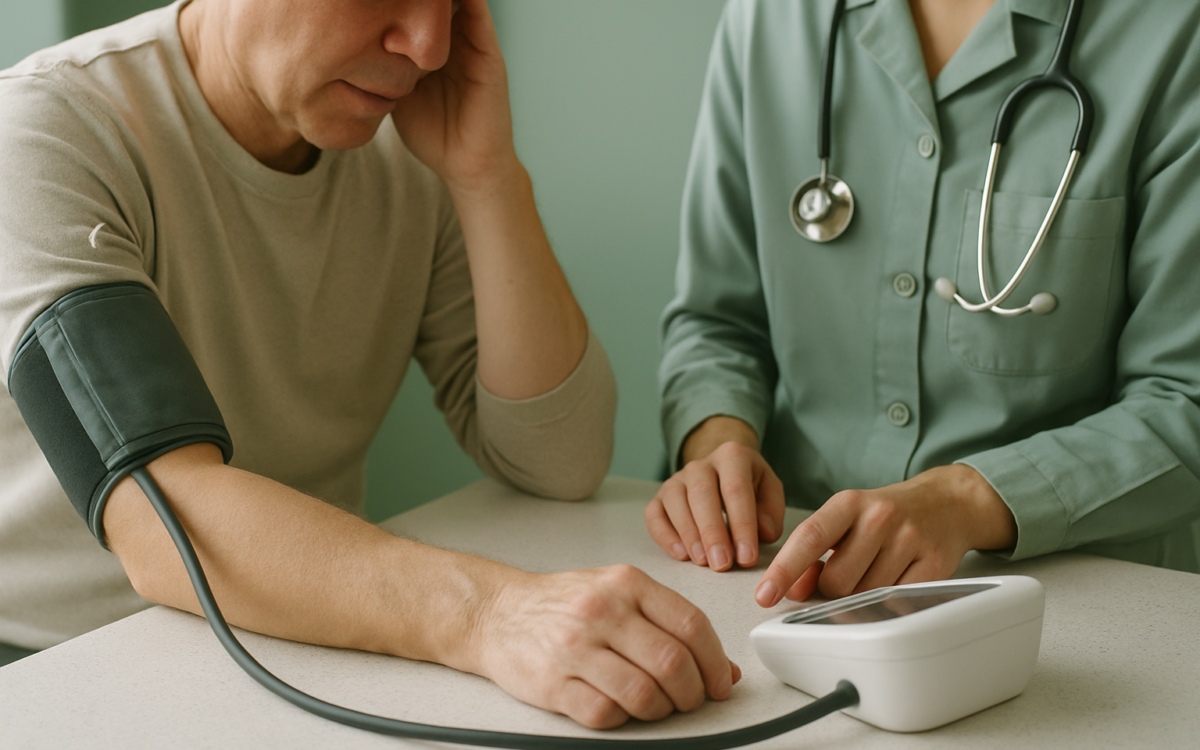
Hypertension, often known as high blood pressure, is a sneaky condition. Many people don’t realize they have it because it usually doesn’t present noticeable symptoms. Understanding the signs of hypertension is crucial, as it can lead to serious health complications like heart disease and stroke. This article will delve into the symptoms and signs of hypertension, potential health risks, and what to do if you think you might be experiencing these issues.
What Is Hypertension?
Hypertension occurs when the force of the blood against the artery walls is consistently too high. Blood pressure is measured using two readings: systolic (the pressure when your heart beats) over diastolic (the pressure when your heart rests between beats). A normal reading is typically around 120/80 mmHg. Hypertension is diagnosed when the reading is consistently 130/80 mmHg or higher, according to the CDC.
Recognizing the Symptoms
Many people with hypertension remain asymptomatic, which can make it difficult to identify without regular monitoring. However, some signs can indicate elevated blood pressure:
- Headaches: Frequent headaches can occur, especially if blood pressure rises to dangerously high levels.
- Dizziness: Feeling lightheaded or dizzy may indicate hypertension.
- Nosebleeds: Although not always, frequent nosebleeds can be a sign of high blood pressure.
- Shortness of breath: Experiencing difficulty breathing may be linked to severe hypertension or other heart-related issues.
- Flushing: Sudden redness of the face can also be a symptom of elevated blood pressure.
Even if these symptoms occur, they may not be due to hypertension. Only regular check-ups and blood pressure readings can provide an accurate diagnosis.
How Hypertension Develops
Hypertension can develop due to a mix of genetic and lifestyle factors. Unhealthy diets, lack of physical activity, obesity, smoking, and excessive alcohol consumption can all play significant roles. Age is also a factor–the risk of developing hypertension increases as you get older. According to the Mayo Clinic, other factors like stress and chronic conditions such as diabetes can exacerbate the risk of developing hypertension.
The Risks of Untreated Hypertension
If left unaddressed, hypertension can lead to serious health problems:
- Heart disease: High blood pressure is a leading cause of heart disease, including heart attacks.
- Stroke: Hypertension can cause blood vessels to weaken and rupture in the brain, leading to stroke.
- Kidney damage: The kidneys play a critical role in regulating blood pressure. Over time, hypertension can damage kidney function.
- Vision loss: Hypertension can lead to vision problems due to damage to blood vessels in the eyes.
Given these risks, understanding the symptoms and signs of hypertension is vital for early detection and management.
Staying Informed: Monitoring Your Blood Pressure
Regular blood pressure checks are crucial, especially for those at risk of hypertension. Home monitoring devices can provide continuous insights. If you frequently find readings above 120/80 mmHg, consult with a healthcare provider. They may suggest lifestyle changes or medications to help manage your blood pressure.
If you are an international patient seeking advanced treatments for hypertension, consider exploring options through international patient services. They can provide comprehensive care tailored to your needs.
Managing Hypertension Symptoms
For those diagnosed with hypertension or showing potential symptoms, lifestyle adjustments can significantly improve health. Key strategies include:
- Healthy diet: Adopt a balanced diet rich in fruits, vegetables, whole grains, and lean proteins while minimizing salt and saturated fat intake.
- Regular exercise: Aim for at least 150 minutes of aerobic activity per week to help lower blood pressure.
- Limit alcohol and quit smoking: Both can contribute to high blood pressure.
- Stress management: Practicing relaxation techniques, such as meditation or deep breathing, can help manage blood pressure.
When to See a Doctor
If you notice any symptoms discussed, or if your blood pressure readings are concerning, it’s important to consult a healthcare professional. They can offer guidance and effective management strategies tailored to your condition.
Conclusion
Hypertension may not show symptoms immediately, but being informed is crucial for prevention and management. Recognizing potential signs of high blood pressure can help protect your overall health.
