
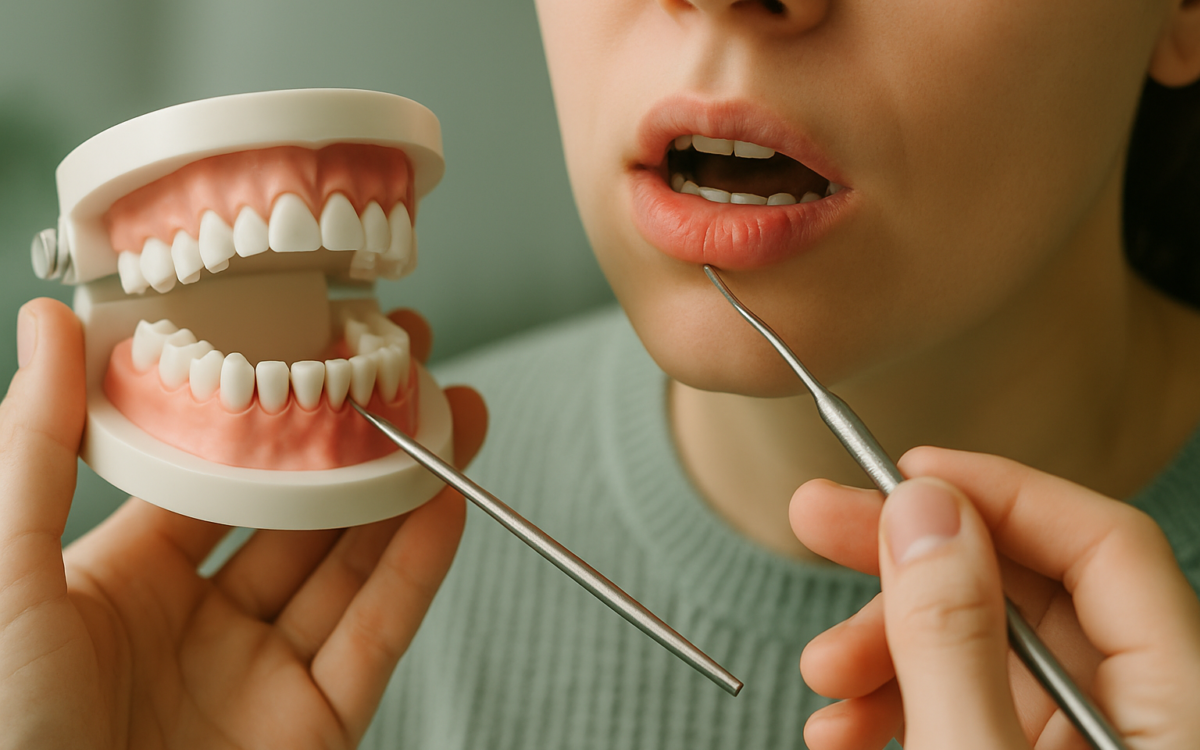
Periodontitis disease is a severe gum infection that can lead to tooth loss and other serious health problems if not treated properly. It’s more than just bad breath or bleeding gums; it’s a condition that may sneak up on you with a range of symptoms that often go unnoticed. Understanding the signs of periodontitis is crucial for maintaining your oral health and preventing complications.
What is Periodontitis?
Periodontitis is an advanced form of gum disease that occurs when gingivitis—an earlier and milder form of gum disease—progresses. When plaque and tartar build up on the teeth and gums and aren’t removed, bacteria flourish and can lead to inflammation. This can cause the surrounding tissue and bone to break down over time, which increases the risk of tooth loss.
Common Symptoms of Periodontitis
The symptoms of periodontitis can vary from person to person, but there are some common signs to look out for. Recognizing these symptoms early can empower you to seek timely treatment.
1. Swollen or Red Gums
One of the first visible signs of periodontitis is inflammation of the gums. Healthy gums should be firm and pale pink. If your gums appear swollen, red, or tender, it’s a good indication that something is not right. This inflammation is a response to the bacteria buildup that leads to gum disease.
2. Bleeding When Brushing or Flossing
Another common symptom is bleeding while brushing or flossing your teeth. This might happen after you’ve brushed vigorously, but it’s also a strong indicator of gum disease if it occurs regularly. Healthy gums should not bleed, so this symptom should not be ignored.
3. Bad Breath
Persistent bad breath, known medically as halitosis, can be a sign of periodontitis. The bacteria that cause gum infection release toxins that contribute to an unpleasant smell. If your bad breath doesn’t improve with regular dental hygiene practices, it may be time to consult your dentist.
4. Receding Gums
As periodontitis progresses, it can cause the gums to pull away from the teeth, exposing more of the tooth’s root. This is known as gum recession. You may notice that your teeth appear longer than usual or that there are spaces forming between your teeth. Receding gums can also make your teeth more sensitive to hot and cold temperatures.
5. Loose Teeth
Severe periodontitis can impact the bone structure supporting your teeth, leading to looseness or shifting of teeth. If you notice that a tooth feels loose or has shifted position, it could indicate significant periodontal disease, which requires immediate attention.
Less Common but Serious Symptoms
In addition to the more common symptoms of periodontitis, there are a few less prevalent but equally serious signs to watch for:
- Pus Between Teeth and Gums: The presence of pus may indicate an active infection.
- Changes in Bite: If your bite feels different or uncomfortable, it may signal bone loss around your teeth.
How is Periodontitis Diagnosed?
If you notice any symptoms of periodontitis, it’s important to see a dental professional. A dentist or periodontist will often conduct a thorough dental examination that may include:
- A review of your medical and dental history
- A visual examination of your teeth and gums
- X-rays to check the bone level supporting your teeth
- Measuring the depth of the gum pockets around your teeth
These diagnostic steps help determine the severity of the disease and guide treatment options.
Treatment Options for Periodontitis
Treatment for periodontitis typically involves a combination of professional dental care and improved at-home dental hygiene. Here are some common approaches:
- Scaling and Root Planing: This deep cleaning process removes plaque and tartar from below the gum line.
- Antibiotics: Your dentist may prescribe topical or oral antibiotics to help control the infection.
- Regular Dental Check-ups: Frequent visits to your dentist will aid in monitoring the condition and ensuring effective management.
In advanced cases, surgical procedures may be necessary to restore supportive tissues.
When to See a Doctor
If you experience any symptoms of periodontitis, such as bleeding gums, bad breath, or loose teeth, make an appointment with your dentist. Early intervention can significantly improve your oral health and prevent more serious complications. Regular dental check-ups are also essential for catching problems before they escalate.
Conclusion
Understanding the symptoms of periodontitis disease is critical for maintaining good oral health. By being vigilant about your gum health and recognizing the signs early, you can take action to protect your teeth and overall wellbeing. Remember, regular visits to your dentist and good oral hygiene habits are your best defense against gum disease.
