
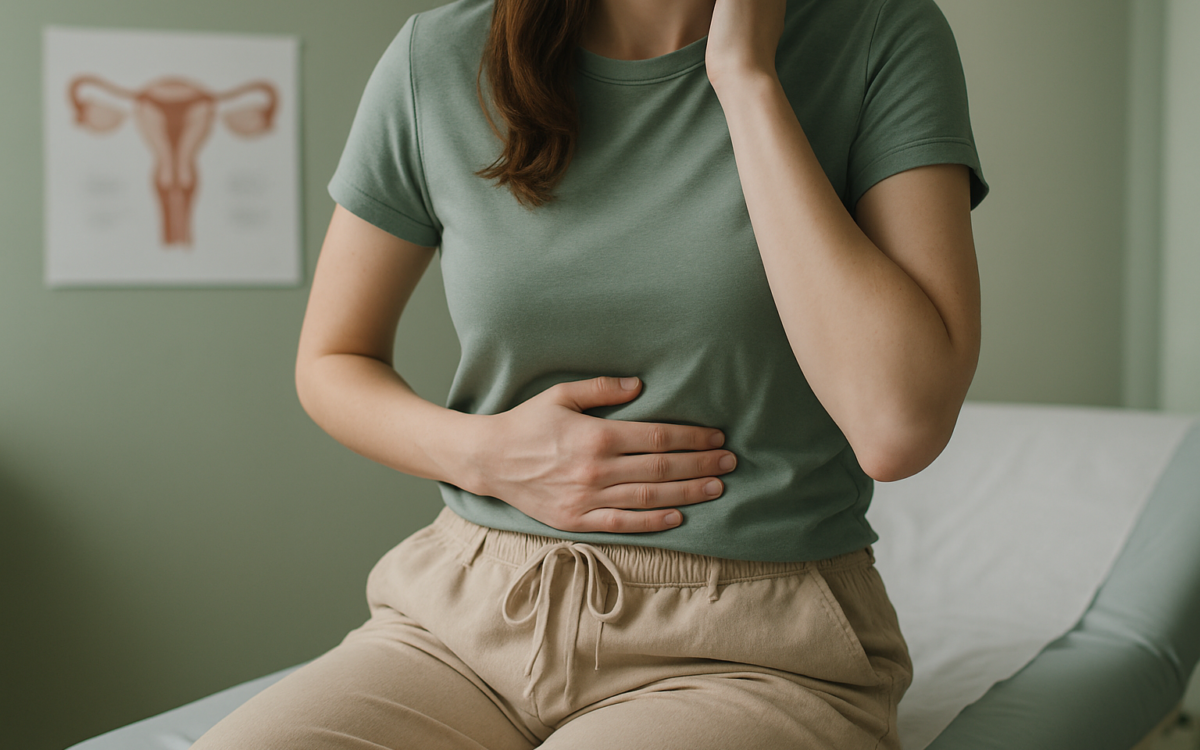
Polycystic Ovary Syndrome (PCOS) is a common hormonal disorder affecting many women of reproductive age. Despite its prevalence, many women are unaware of the symptoms, leading to delays in diagnosis and treatment. Understanding PCOS symptoms can empower women to seek timely medical guidance and manage their health effectively.
What is Polycystic Ovary Syndrome?
PCOS is an endocrine disorder that disrupts the normal hormonal balance in a woman’s body. Women with PCOS may experience a range of symptoms, and the severity can vary widely. While the namesake cysts present on the ovaries can be a key identifier, many women face symptoms that extend beyond ovarian health.
Common Symptoms of PCOS
1. Irregular Menstrual Cycles: One of the hallmark symptoms of PCOS is irregularity in the menstrual cycle. This can manifest as very infrequent periods, prolonged cycles, or missing periods altogether. If your cycle varies significantly from the standard 28-day cycle, it could be a sign of PCOS.
2. Excessive Hair Growth: Many women with PCOS experience hirsutism, which is characterized by unwanted or excessive hair growth on the face, chest, back, or thighs. This condition results from high levels of androgens, which are often imbalanced in women with PCOS.
3. Weight Gain: Weight gain, particularly around the abdomen, is commonly reported by women with PCOS. Even those who maintain a healthy lifestyle can struggle with weight management due to metabolic changes linked to the condition.
Additional Symptoms to Consider
4. Acne and Oily Skin: Hormonal imbalances can lead to increased oil production, resulting in acne and oily skin. Women with PCOS often notice breakouts on their face, back, and shoulders.
5. Thinning Hair: Conversely, some women may experience hair thinning or male-pattern baldness. This can be distressing and affect self-esteem.
6. Skin Changes: Dark patches of skin known as acanthosis nigricans may appear, especially in body folds like the neck, armpits, and groin. This condition can occur due to insulin resistance, another common issue in women with PCOS.
Potential Complications of PCOS
Women with PCOS are at risk for several long-term complications, primarily due to the hormonal imbalances and metabolic issues associated with the condition. Some complications may include:
- Infertility: Ovulatory dysfunction can make it more challenging to conceive.
- Type 2 Diabetes: Insulin resistance can increase the likelihood of developing type 2 diabetes later in life.
- Cardiovascular Issues: Women with PCOS may be at higher risk for heart disease due to metabolic concerns.
Diagnosis of PCOS
Diagnosing PCOS involves a thorough evaluation that typically includes a physical exam, a review of symptoms, and possibly blood tests to measure hormone levels. In some cases, an ultrasound may be conducted to check for cysts on the ovaries. Understanding the full scope of the symptoms and their impact on an individual’s life is crucial to making an accurate diagnosis.
When to See a Doctor
If you are experiencing any of the symptoms mentioned, it is essential to consult a healthcare provider. Early diagnosis and management can significantly improve quality of life and reduce the risk of complications. Be proactive about discussing your symptoms and concerns, as they may all point toward PCOS or another underlying health issue.
Conclusion
PCOS is a multifaceted condition with a variety of symptoms that can affect many aspects of a woman’s health and life. Awareness of these symptoms is the first step toward understanding and managing the syndrome effectively. If you suspect you may have PCOS, speak with your doctor about your experience. The sooner you seek help, the better equipped you will be to manage your health.
For more information about PCOS, consult reputable sources such as the National Institutes of Health or the World Health Organization.
