
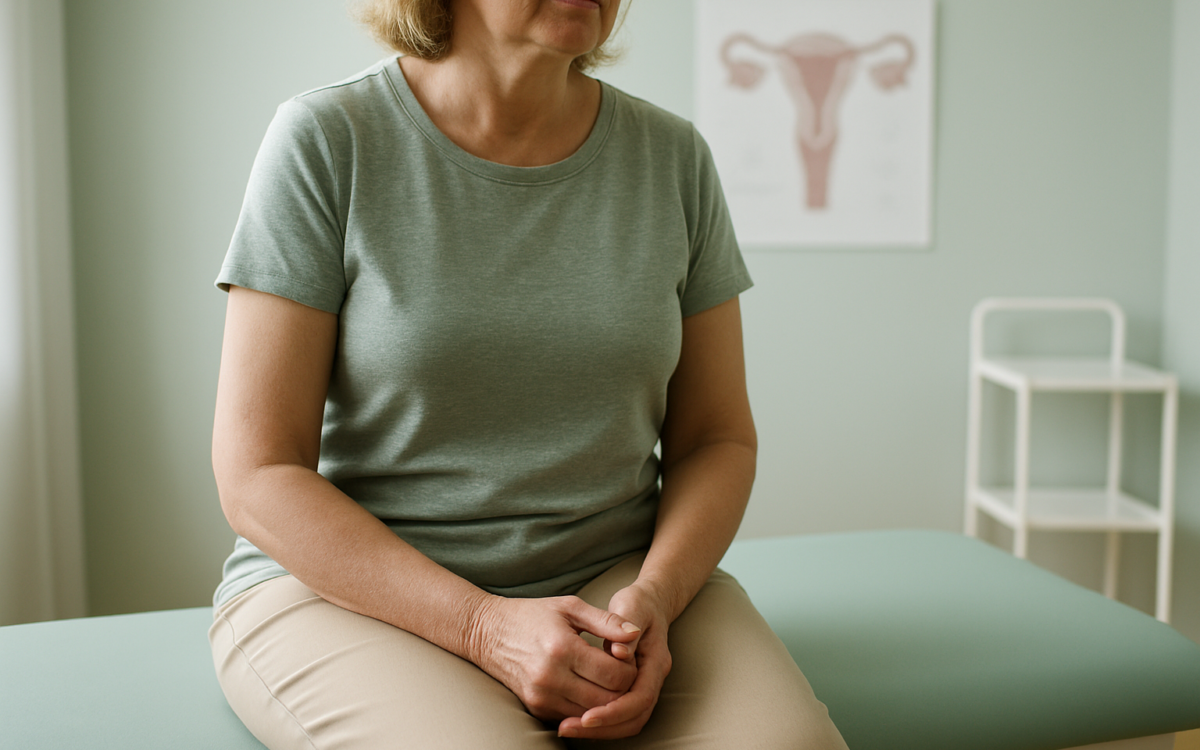
Menopause is a significant milestone in a woman’s life. It marks the end of menstrual cycles and fertility, usually occurring in middle age. For many women, the journey through menopause can be confusing, filled with questions about how long it lasts and what symptoms to expect during this time. Understanding the stages of menopause helps to clarify when it may end, enabling women to navigate this transition more effectively.
What is Menopause?
Menopause is defined as the time when a woman has not had a menstrual period for twelve consecutive months. The average age for menopause in the United States is around 51 years, but it can occur as early as age 40 or as late as age 58. The transition to menopause begins with a phase called perimenopause, which can last several years and brings various hormonal changes.
The Stages of Menopause
1. Perimenopause
Perimenopause is the phase leading up to menopause. During this time, hormonal fluctuations occur, leading to irregular menstrual cycles and various symptoms including hot flashes, night sweats, and mood changes. Perimenopause can start in a woman’s 30s or 40s and last about four years on average, but it can be shorter or longer for different individuals.
2. Menopause
Once a woman has not had a menstrual period for twelve months, she is considered to be in menopause. At this point, the ovaries significantly decrease their production of estrogen and progesterone, leading to the cessation of menstruation. The symptoms experienced during this time can vary widely from one woman to another.
3. Postmenopause
Postmenopause refers to the years following menopause. Some symptoms, like hot flashes, may continue for a time, while others may diminish as the body adjusts to lower hormone levels. Women in postmenopause need to be aware of health changes that might occur due to decreased hormone levels, including an increased risk of osteoporosis and heart disease.
How Long Does Menopause Last?
The process of menopause can span several years, starting with perimenopause and ending in postmenopause. On average, women may experience perimenopause for about 4 to 5 years, followed by the actual menopause stage when menstruation stops. Postmenopausal symptoms can persist for several years, with some women experiencing them for more than a decade.
Importantly, the exact duration and experience of menopause vary widely among individuals. Factors such as genetics, lifestyle, and overall health can influence this timeline. Some women may have a smooth transition with few symptoms, while others may face prolonged difficulties.
Factors That Influence Menopause Duration
Age
Older women typically enter menopause later than younger women. The age of onset can correlate with family history. If women in a family tend to experience menopause at a certain age, this pattern may continue.
Health Conditions
Certain health conditions, such as autoimmune diseases, can affect the timing of menopause. Women undergoing treatments like chemotherapy or surgery that involves the reproductive organs may experience menopause earlier. For more information about health-related factors, refer to resources from the National Heart, Lung, and Blood Institute.
Lifestyle Choices
Healthy lifestyle choices, such as maintaining a balanced diet, engaging in regular physical activity, and not smoking, can positively influence the experience of menopause. Stress management can also play a role in alleviating some symptoms associated with this stage of life.
Managing Menopause Symptoms
Common Symptoms
Women may experience a variety of symptoms during menopause, including:
- Hot flashes and night sweats
- Mood swings and irritability
- Sleep disturbances
- Vaginal dryness
- Weight gain
Helpful Strategies
To manage symptoms, women can adopt several strategies:
- Practice relaxation techniques like meditation or yoga
- Stay physically active
- Seek support from friends or support groups
- Consider dietary changes or supplements as recommended by a healthcare provider
For more information on symptom management and menopause, resources such as the Mayo Clinic can provide further insights.
When to See a Doctor
If you experience severe symptoms or changes in your health, it’s important to consult with a healthcare professional. Observing persistent or significantly challenging symptoms can indicate the need for medical advice. A doctor can help you navigate symptom management and screen for any potential health concerns. It’s also essential to discuss any significant changes in your health history, particularly when it comes to hormone replacement therapy or other treatments.
Conclusion
Understanding the timeline of menopause can help women feel more prepared as they transition into this new phase of life. While the end of menopause generally occurs around the early 50s, each woman’s experience is unique. Factors such as health, lifestyle choices, and genetics can influence how long menopause lasts. Remember, support is available, and consulting a healthcare provider can help you through this transition.
