
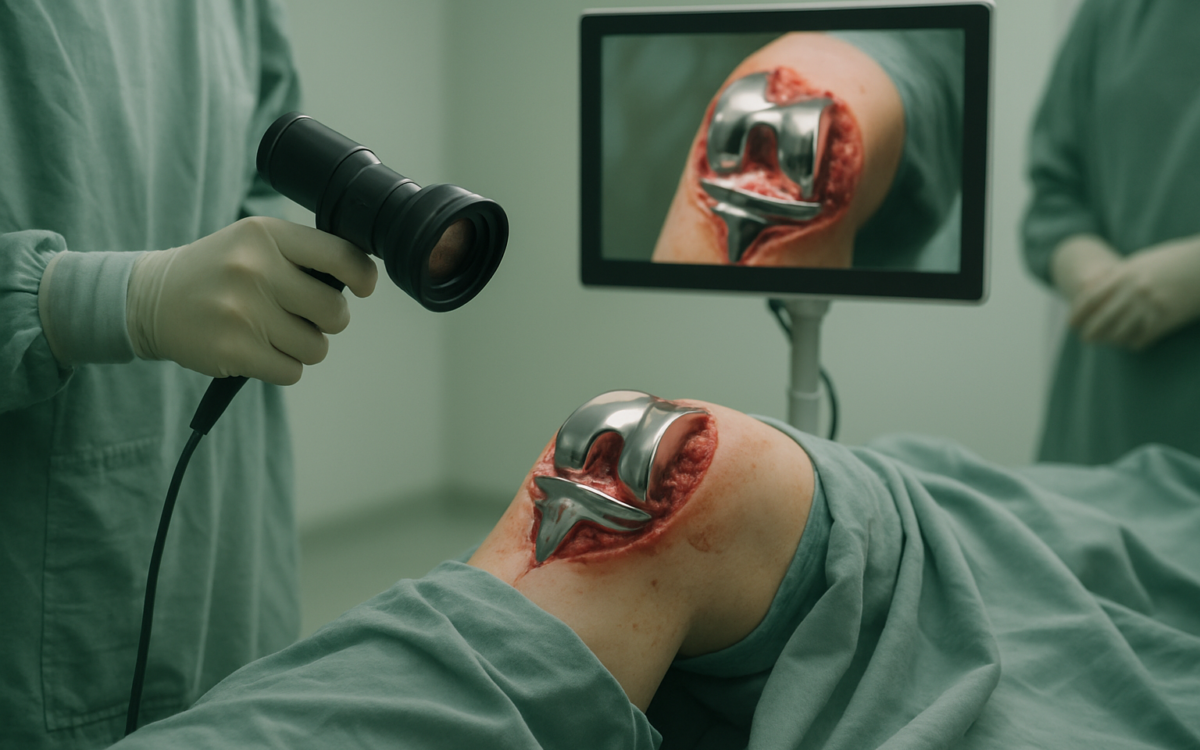
Total knee replacement (TKR) surgery has become increasingly common among people suffering from severe knee pain due to conditions like osteoarthritis. As more individuals seek relief, many turn to TKR operation videos to better understand what to expect before, during, and after the procedure.
The Basics of Total Knee Replacement
Total knee replacement is a surgical procedure aimed at replacing damaged parts of the knee joint. This often includes resurfacing the knee bones and removing damaged cartilage. The operation is performed when non-surgical treatments have failed to alleviate pain and improve function.
The primary goal of TKR is to relieve pain and restore function in the knee. Many patients report significant relief from chronic pain, allowing them to return to activities they enjoy.
What Happens During the Surgery?
A TKR operation typically lasts between 1 to 2 hours and is done under general anesthesia. Here’s a general overview of the steps involved:
- Preparation: The patient is positioned, and the surgical area is cleaned and sterilized.
- Incision: A cut is made on the front of the knee to access the joint.
- Resurfacing: Damaged cartilage and bone are removed. This space is then filled with artificial components, usually made of metal and plastic.
- Closing: The incision is closed with sutures or staples, and a bandage is applied.
Watching a TKR operation video can provide valuable insights into these steps, showing how the surgical team works to achieve the best outcomes. As you watch, note the level of precision and care that goes into each step of the process.
Recovery After TKR
Post-operative recovery is a vital phase of the total knee replacement process. While each person’s experience can vary, here’s what one can generally expect:
- Hospital stay: Most patients stay in the hospital for 1 to 4 days post-surgery, depending on their recovery and pain management.
- Physical therapy: Rehabilitation typically begins the day after surgery. Patients work with a therapist to regain movement and strength in the knee.
- Pain management: Physicians will provide strategies and medications for managing pain, which is a normal part of the recovery process.
- Follow-up visits: Regular follow-ups are essential to monitor healing and ensure that the artificial joint is functioning correctly.
The recovery period can take several months, so it is crucial to be patient and follow your healthcare provider’s recommendations. Watching TKR operation videos also highlights the importance of rehabilitation, showcasing real patients’ successes and challenges.
Potential Risks and Complications
Like any surgical procedure, TKR comes with potential risks. While many people enjoy excellent outcomes, it’s important to be aware of possible complications, such as:
- Infection at the surgical site
- Blood clots in the legs or lungs
- Stiffness in the joint
- Prosthetic complications, such as loosening or wear
Understanding these risks through informative TKR operation videos can help patients prepare for discussions with their healthcare providers about their specific situations. It’s important to weigh the benefits against the risks when considering surgery.
Long-term Expectations and Benefits
After recovery, many TKR patients experience significant improvements in their quality of life. Studies show that over 90% of TKR patients report satisfaction with their new knee joint. Benefits include:
- Decreased pain during daily activities
- Improved mobility and flexibility
- Increased ability to engage in physical activities
Regular follow-up care and exercises prescribed by a physical therapist are crucial for maintaining joint health and function. Engaging with TKR operation videos can reinforce the importance of staying active and committed to recovery.
When to See a Doctor
It is essential to stay in touch with your healthcare provider throughout the recovery process. While some discomfort is expected, call your doctor if you experience:
- Severe pain that does not improve
- Signs of infection, such as increased redness, swelling, or fever
- Any unusual sensations or complications, such as locked joints or significant swelling
Your medical team is your best resource for navigating any challenges during recovery; do not hesitate to reach out.
In conclusion, total knee replacement can lead to remarkable improvements in quality of life for many individuals. Understanding the procedure, recovery expectations, and potential risks vividly through TKR operation videos can empower patients and help demystify the surgical process. If you or someone you know is considering this surgery, take the time to explore these resources and have a detailed conversation with a healthcare provider to make informed decisions.
