
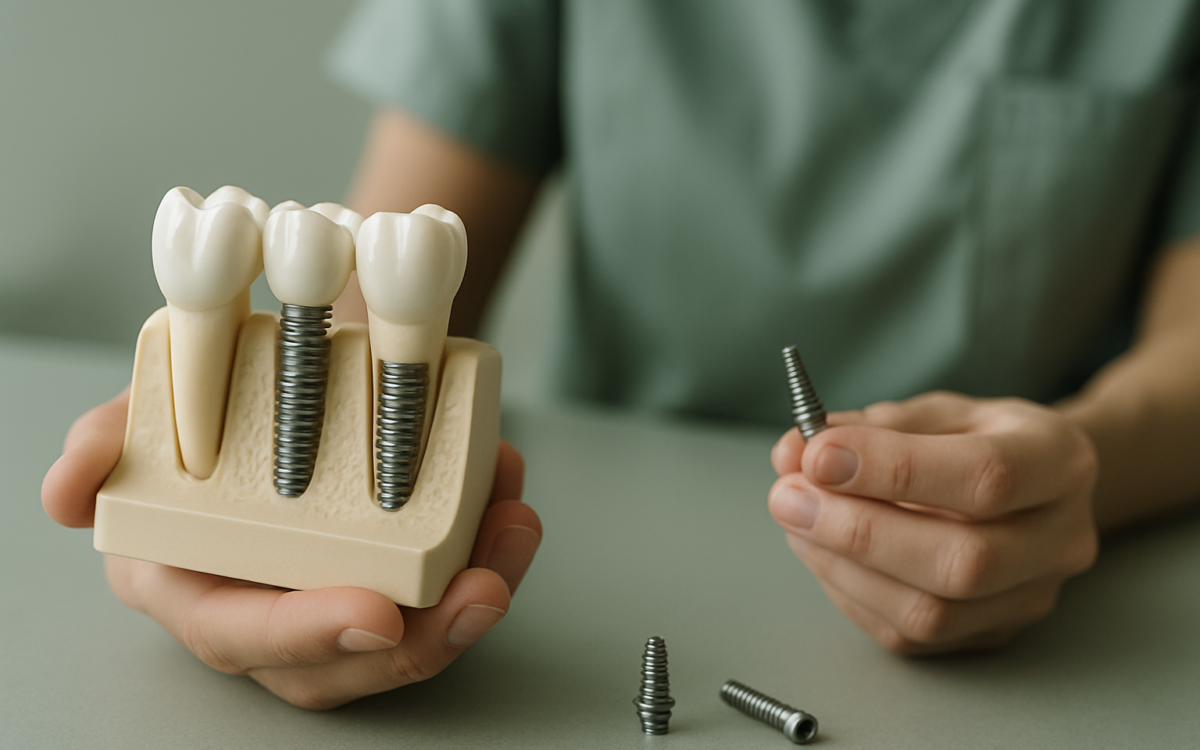
Titanium implants are becoming increasingly popular in various medical fields, from dentistry to orthopedics. Their unique properties make them suitable for a range of applications, including replacing missing teeth, securing prosthetics, and even spinal surgeries. What makes titanium such a noteworthy material? Let’s delve into the fascinating world of titanium implants.
What are titanium implants?
Titanium implants are medical devices made from titanium, a strong, lightweight metal known for its excellent biocompatibility. This means that titanium can integrate well with the human body without causing significant adverse reactions. When placed in the body, titanium implants allow for the growth of surrounding bone, helping to secure and stabilize the implant.
Applications of titanium implants
Titanium implants serve various purposes in healthcare:
- Dental Implants: Used to replace missing teeth, titanium dental implants provide a strong foundation for crowns and bridges.
- Orthopedic Implants: Used in joint replacement surgeries, titanium screws, plates, and rods stabilize fractures or replace damaged joints.
- Spinal Implants: These are used in spinal surgery to provide structure and support to the spine.
- Craniofacial Implants: Titanium is used to reconstruct the facial skeleton, often after trauma or surgery.
Benefits of titanium implants
The use of titanium implants comes with numerous benefitting factors:
- Biocompatibility: Titanium implants are well-tolerated by the body, which minimizes infection risks.
- Durability: Titanium is strong and resistant to corrosion, making implants long-lasting.
- Lightweight: Titanium is significantly lighter than other metals used in medical implants, making it more comfortable for patients.
- Bone Integration: Titanium has excellent properties that encourage the growth of bone around the implant, leading to improved stability and function.
Risks and considerations
While titanium implants are generally safe, there are some potential risks:
- Allergic Reactions: Though rare, some individuals may experience allergic reactions to titanium or the alloy used in the implant.
- Infection: Prior to surgery, it’s crucial for patients to understand the importance of following post-operative care to prevent infection.
- Failure to Integrate: In some cases, bone may not grow adequately around the implant, causing failure.
Titanium implants in international treatment
The availability of titanium implants has expanded internationally, offering hopeful treatment options for patients worldwide. For those considering dental or orthopedic procedures overseas, seeking treatment in Turkey can provide access to advanced technologies and skilled professionals. Many hospitals in Turkey offer high-quality titanium implant procedures at competitive prices, along with state-of-the-art facilities.
Post-operative care and recovery
After receiving titanium implants, patients must follow specific recovery guidelines to promote healing:
- Follow-Up Appointments: Regular check-ups allow your doctor to monitor the implant’s integration.
- Medication: Taking prescribed medications can help manage pain and reduce the risk of infection.
- Diet: Eating soft foods and maintaining proper oral hygiene is essential, particularly for dental implants.
When to see a doctor
Patients should consult a healthcare provider if they experience any unusual symptoms post-surgery, such as:
- Severe pain that increases over time
- Swelling or redness around the implant site
- Fever or chills
- Difficulty using the implanted device
It’s always better to be cautious and consult with your doctor about any concerns you may have regarding titanium implants.
Conclusion
Titanium implants represent a significant advancement in medical technology, offering reliable solutions for various health conditions. With their excellent biocompatibility and strength, these implants have transformed countless lives. As with any medical procedure, educating yourself about the potential benefits and risks is crucial. If considering titanium implants, consult a healthcare professional to explore the options best suited for you.
