
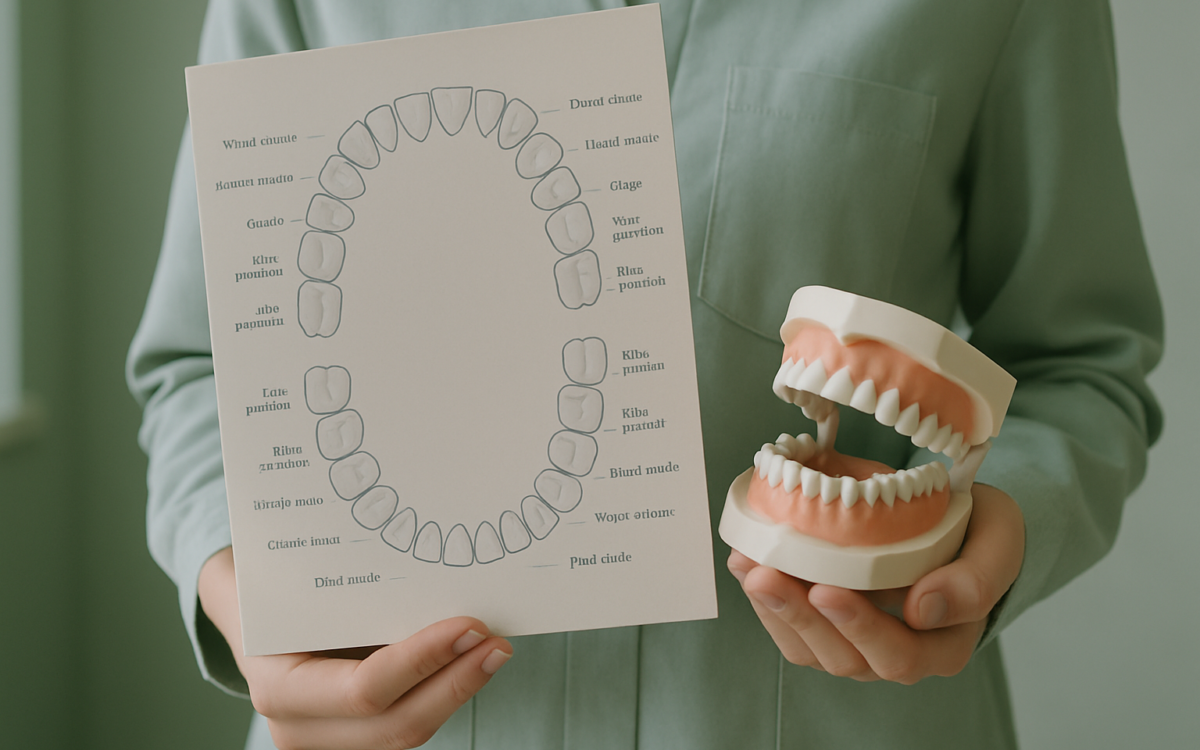
Your teeth are more than just a way to chew food; they play crucial roles in your overall health, speech, and appearance. Understanding the different types of teeth and their names can help you better care for your oral hygiene. This article will take you through the various categories of teeth, their functions, and why knowing their names can be beneficial.
The Basic Types of Teeth
Humans typically have four main types of teeth, each serving a distinct purpose. Recognizing these categories can enhance your awareness of oral health and guide your conversations with dental professionals.
1. Incisors
Incisors are the flat, chisel-shaped teeth located at the front of your mouth. Adults usually have eight incisors—four on the top and four on the bottom. Their primary function is to cut and slice food. This is why they are most often used when you bite into something crunchy, like an apple.
2. Canines
Next to the incisors are the canines, also known as cuspids. These pointed teeth are designed for tearing food. Adults typically have four canines—two on the top and two on the bottom. Chewing tougher substances or meats mainly engages the canines.
3. Premolars
Premolars, or bicuspids, come after the canines and are essential for grinding and crushing food. Most adults have eight premolars, four on the top and four on the bottom. They have a flat surface with ridges that help mash up food before it travels to the molars.
4. Molars
The molars are the largest teeth, located at the back of the mouth. They are vital for grinding and chewing food into smaller pieces, making it easier to swallow. Adults typically have 12 molars, including the backmost wisdom teeth, which may or may not be present. Because molars have a larger surface area with multiple cusps, they are highly effective for heavy-duty chewing.
Anatomy of a Tooth
Understanding tooth anatomy can give you a better appreciation for your dental health. Each tooth is made up of several parts:
- Enamel: The hard, outer surface that protects the tooth.
- Dentin: The layer beneath the enamel, which is softer and contains tiny tubes that connect to the nerve.
- Pulp: The innermost part of the tooth that houses nerves and blood vessels.
- Cementum: A bone-like material that covers the tooth root and helps anchor it in the jawbone.
Each component plays a vital role in keeping your teeth healthy and functioning properly.
Why Knowing Tooth Names Matters
Understanding the names and functions of your teeth can have several benefits:
- Effective Communication: When you discuss dental issues with your dentist, knowing the correct terminology helps clarify your concerns.
- Improved Oral Hygiene: Recognizing different types of teeth can aid in targeting specific areas while brushing and flossing.
- Better Awareness: Familiarity with your teeth’s names and functions enables you to notice changes or potential problems more easily.
Common Dental Issues by Tooth Type
Different types of teeth can face unique dental challenges. Being aware of these issues may help you take preventive measures:
Incisors
Incisors are often susceptible to cavities and chipping due to their position and usage. Regular dental check-ups can help monitor for these concerns.
Canines
Canines can wear down over time from grinding and clenching. If you experience sensitivity in these teeth, consult your dentist.
Premolars and Molars
Both premolars and molars are prone to cavities because of their grooves and fissures, making plaque accumulation easier. Providing extra attention to these areas while brushing is essential.
When to See a Doctor
It’s essential to consult a dentist if you experience:
- Persistent tooth pain or sensitivity
- Swelling or gum issues
- Difficulty chewing or opening your mouth
Regular dental visits can also help you stay informed about your oral health and catch any issues early.
Conclusion
Understanding tooth names and their functions not only empowers you to take better care of your oral health but also enables you to have informed discussions with your dentist. Each type of tooth serves a specific purpose, contributing to your overall well-being. So, the next time you smile, remember the important roles your teeth play!
