
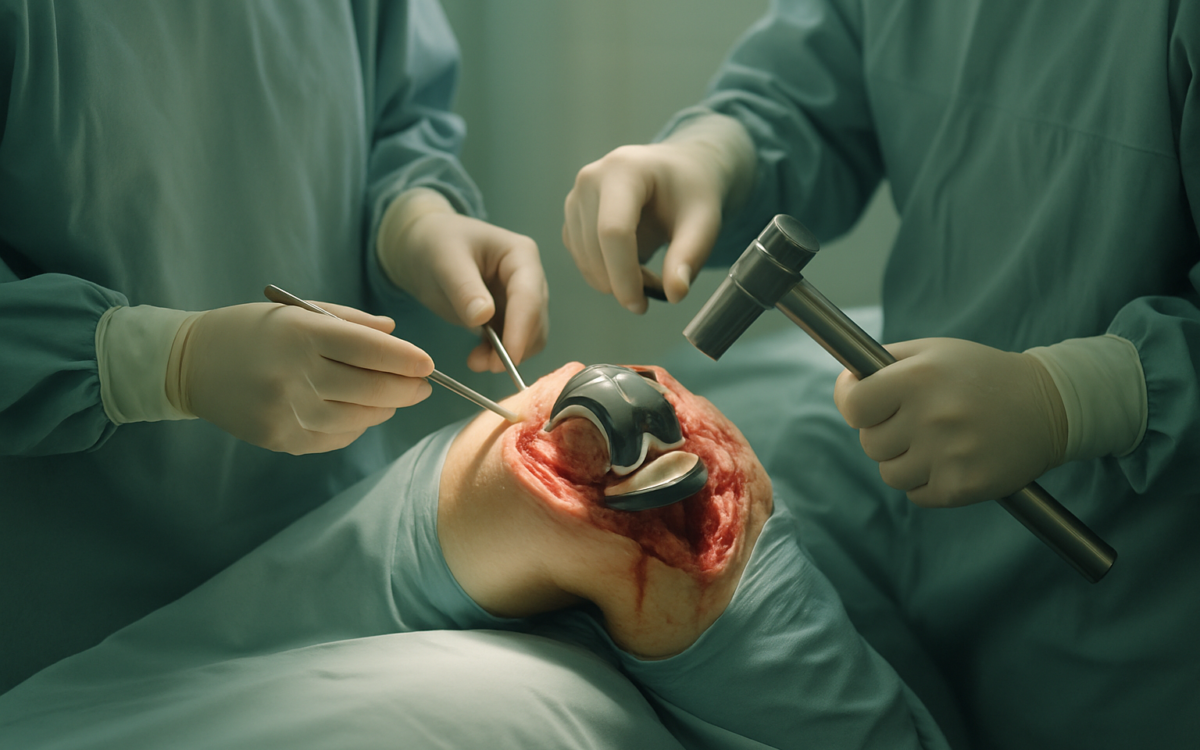
Total knee replacement (TKR) is a surgical procedure that can change your life for the better. If you’re struggling with severe knee pain or limited mobility due to arthritis or other joint issues, this operation might be the key to regaining your freedom. This article will guide you through what a total knee replacement involves, the recovery process, potential complications, and more.
What is Total Knee Replacement?
Total knee replacement is a surgery where damaged parts of the knee joint are removed and replaced with artificial components. The goal is to relieve pain and improve function, especially for those suffering from osteoarthritis, rheumatoid arthritis, or other knee-related problems. During the procedure, the surgeon removes the damaged bone and cartilage and replaces them with a prosthetic knee, which often consists of metal and plastic materials.
Who is a Candidate for TKR?
Several factors determine if a person is a good candidate for a total knee replacement. Generally, it’s recommended for individuals experiencing:
- Chronic knee pain that limits daily activities
- Difficulty walking or climbing stairs
- Disturbed sleep due to knee discomfort
- Other treatments that have not alleviated pain, such as physical therapy, medications, or injections
If you’ve experienced persistent knee issues, it might be time to consult your doctor about total knee replacement. Discussing your medical history and current symptoms will help determine if this surgery is right for you.
The Surgery Process
The total knee replacement surgery can typically be performed under general or spinal anesthesia. It usually lasts between one to two hours. Here’s a brief overview of what to expect:
- Preparation: You will be prepped for surgery, which may involve blood tests, imaging studies, and an assessment of your health to ensure you are fit for the procedure.
- The Procedure: The surgeon makes an incision in the knee, removes damaged tissue, and implants the artificial components. The prosthetic parts are designed to mimic the natural function of the knee joint.
- Recovery Room: After the surgery, you will be moved to a recovery area where medical staff will monitor your vital signs and pain levels.
It’s crucial to have support and resources in place before undergoing surgery, as it can significantly impact your daily routine.
Recovery After Total Knee Replacement
Recovery from total knee replacement is a vital part of the process that can take several weeks to months. Your rehabilitation program will likely include:
- Physical Therapy: Engaging in physical therapy as soon as possible can help restore movement and strengthen the knee.
- Medication: You might be prescribed pain relievers to manage discomfort during the initial recovery phase.
- Home Care: Having help at home can make a big difference. Prepare your living space to accommodate your needs while recovering.
The recovery timeline varies for everyone, but many people report significant improvements within three to six months post-surgery. Full recovery may take up to a year. Keeping up with your doctor’s appointments and physical therapy sessions is important to ensure the best outcome.
Potential Risks and Complications
While total knee replacement is generally safe, like any surgery, it comes with potential risks including:
- Infection
- Blood clots
- Stiffness or limited range of motion
- Implant wear or loosening over time, requiring future surgery
It’s essential to discuss these risks with your healthcare provider before the operation. They can help you weigh the benefits against the potential complications.
Living with a New Knee
Once you’ve completed your recovery, you can enjoy a life with reduced pain and greater mobility. After surgery, it’s vital to maintain a healthy lifestyle that includes:
- Regular Exercise: Continue to strengthen your muscles and keep your joints flexible.
- A Healthy Diet: A balanced diet can promote healing and overall health.
- Follow-Up Care: Regular check-ups with your doctor will help track the health of your new knee.
Many patients are able to return to favorite activities, engage in low-impact sports, and enjoy an overall enhanced quality of life.
When to See a Doctor
If you experience any of the following after your total knee replacement, you should contact your doctor immediately:
- Increased swelling or pain
- Fever of 100.4°F (38°C) or higher
- Signs of infection, such as redness or drainage at the surgery site
- Shortness of breath or chest pain
Your healthcare provider will be able to determine if these symptoms require more attention or treatment.
In conclusion, a total knee replacement operation can be a life-changing procedure for those with severe knee issues. By understanding the process and following through with rehabilitation, you can enjoy a more active and fulfilling life. Always consult with your healthcare provider regarding any concerns or explore if this surgery is right for you.
