
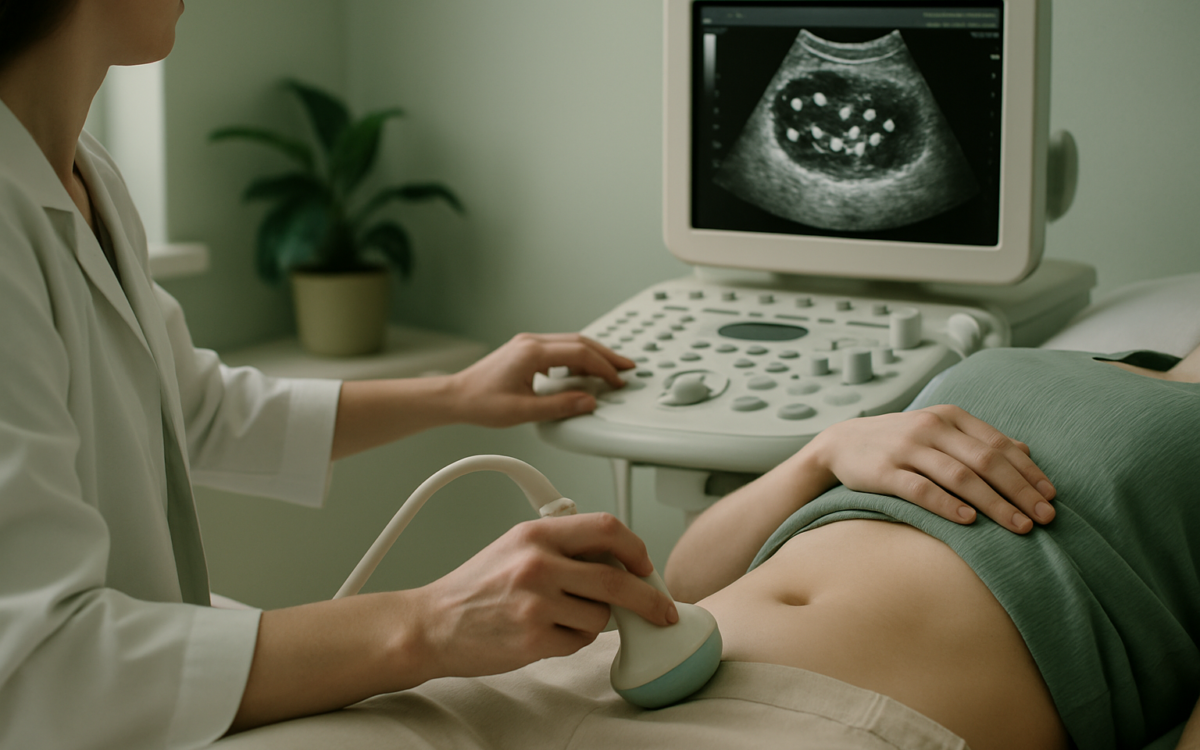
Polycystic Ovarian Syndrome (PCOS) is a common hormonal disorder that affects women of reproductive age. For many, it can be a confusing and challenging condition, as it manifest in a variety of ways, including irregular periods, weight gain, acne, and infertility. One of the key diagnostic tools used by healthcare providers to understand PCOS better is ultrasound. This imaging technique helps visualize the ovaries and can reveal abnormalities that are often associated with the syndrome.
What is Polycystic Ovarian Syndrome (PCOS)?
Polycystic Ovarian Syndrome affects approximately 6-12% of women of childbearing age, making it one of the most common endocrine disorders in this group. PCOS is characterized by a combination of symptoms, including:
- Irregular menstrual cycles
- Excess androgen levels, leading to symptoms like facial hair and acne
- Multiple cysts on the ovaries
The exact cause of PCOS is still not fully understood, though factors such as genetics, insulin resistance, and inflammation may play a role. Understanding this condition is crucial for effectively managing its symptoms.
The Role of Ultrasound in Diagnosing PCOS
Ultrasound is an important tool for diagnosing PCOS, as it provides a non-invasive way to assess the appearance of the ovaries. The two main types of ultrasound used for this purpose are:
- Transabdominal ultrasound: This method involves placing a gel on the abdomen and using a handheld device to create images of the ovaries.
- Transvaginal ultrasound: This more invasive option provides clearer images and involves inserting a small wand into the vagina.
The ultrasound helps detect the presence of ovarian cysts, which are small fluid-filled sacs. The classic ultrasound finding in women with PCOS is the presence of 12 or more follicles in at least one of the ovaries, commonly referred to as a “string of pearls” appearance.
How Ultrasound Impacts Treatment Decisions
Once diagnosed with PCOS, an ultrasound can guide treatment decisions. Depending on the specific symptoms and concerns, treatment options may include:
- Hormonal therapies, such as birth control pills, to regulate menstrual cycles and reduce androgen levels.
- Medications like metformin to help manage insulin levels.
- Ovarian drilling, a surgical procedure that may be considered if other treatments are ineffective.
- Lifestyle changes, including diet and exercise, to help with weight management.
By assessing the ovaries through ultrasound, healthcare providers can tailor treatments to each patient’s unique situation, improving outcomes and enhancing overall quality of life.
Monitoring PCOS Progression with Ultrasound
Ultrasound is not only useful for initial diagnosis but also for monitoring the progression of PCOS over time. Regular imaging can help assess the effectiveness of treatment strategies, track changes in cyst formation, and check for complications such as endometrial hyperplasia, which can arise due to prolonged anovulation.
By routinely using ultrasound, doctors can also keep an eye on any signs of increased risk for conditions like diabetes and cardiovascular disease that are more common in women with PCOS.
Other Diagnostic Tools for PCOS
While ultrasound is crucial, it’s important to note that it is just one part of a comprehensive diagnostic process for PCOS. Other assessments may include:
- Blood tests: To check hormone levels, including testosterone and insulin.
- Medical history: Detailed inquiries about menstrual cycles, weight changes, and family health history.
- Physical examination: To look for physical signs of PCOS, such as excess hair growth and acne.
Only by combining these tests can a healthcare provider make an accurate diagnosis and create a holistic care plan.
Living with PCOS: A Holistic Approach
For many women, living with PCOS can be challenging, but understanding the condition and utilizing tools like ultrasound can empower them to manage their health effectively. Lifestyle modifications, such as adopting a balanced diet and engaging in regular physical activity, are important ongoing measures. Support from healthcare teams, as well as community resources, can also provide encouragement and guidance.
Moreover, mental health support is vital, as struggling with PCOS can lead to issues like anxiety and depression. Speaking openly with healthcare providers about mental well-being is an important part of managing this syndrome.
When to See a Doctor
If you experience symptoms such as irregular periods, excessive hair growth, or unexplained weight gain, it’s essential to consult a healthcare provider. Early diagnosis and treatment can significantly improve health outcomes and quality of life.
Conclusion
Ultrasound plays an invaluable role in the diagnosis and management of Polycystic Ovarian Syndrome. While it helps visualize ovarian health, it is part of a broader approach to understanding PCOS fully. With the right information and support, women can navigate this complex condition more effectively, leading to better health and well-being in the long run.
