
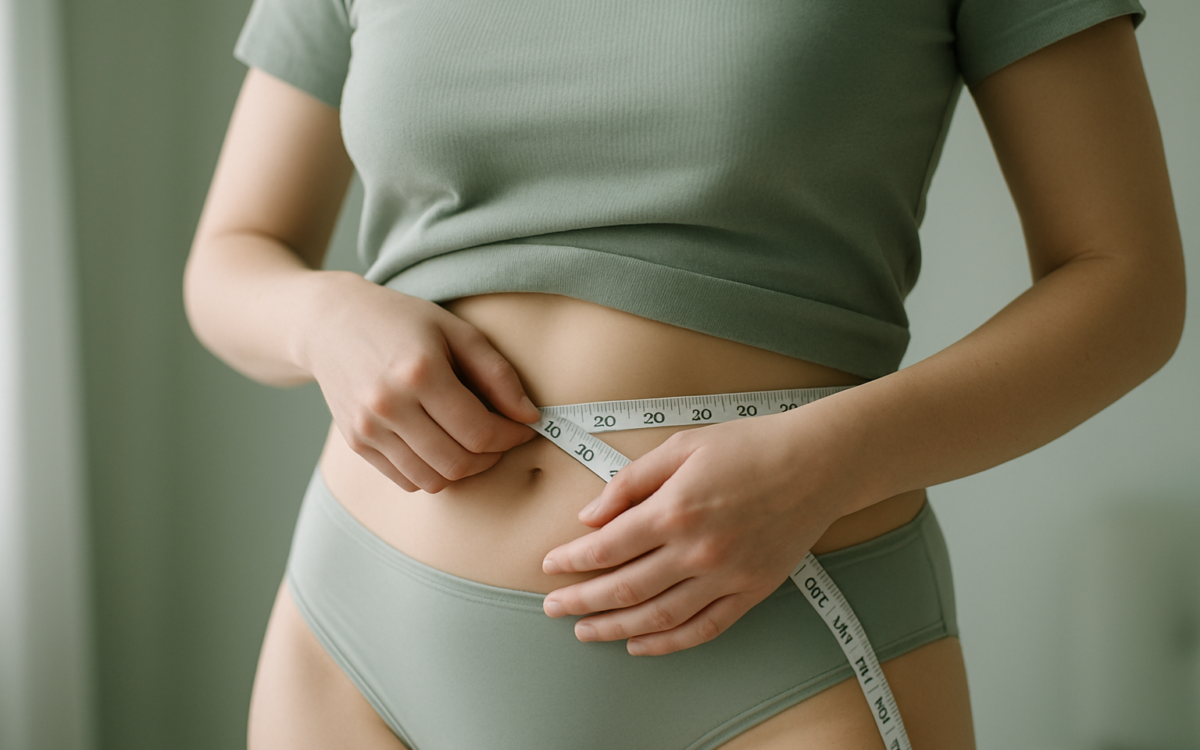
For many women, the menstrual cycle comes with a variety of physical and emotional changes. One common experience is weight gain, which can be confusing and frustrating. If you’ve noticed that your weight seems to fluctuate during your period, you’re not alone. This article will explore why weight changes occur, what factors are at play, and how to navigate these changes with a healthy mindset.
What Causes Weight Gain During Your Period?
Weight gain during your menstrual cycle is often related to hormonal changes. Specifically, fluctuations in estrogen and progesterone can influence your body’s water retention and appetite.
Hormonal Changes and Water Retention
As your menstrual cycle progresses, levels of hormones like estrogen and progesterone rise and fall. After ovulation, progesterone increases, preparing the body for a potential pregnancy. If pregnancy doesn’t occur, progesterone levels drop, leading to menstrual bleeding.
This fluctuation can cause the body to retain water, contributing to a temporary increase in weight. This weight gain is usually not fat but excess fluid, which might cause bloating and an overall feeling of heaviness.
Increased Appetite During Menstruation
Another reason for weight gain during your period can be an increased appetite. Many women find themselves craving certain foods, particularly sweet or salty snacks. This craving can be attributed to hormonal changes, as well as a rise in serotonin—which is linked to mood and appetite—during your menstrual cycle.
- Cravings may lead to overeating, which can contribute to weight gain.
- Emotional factors and stress may also influence eating habits during this time.
Managing Weight Gain: Tips and Strategies
If you experience weight gain during your period, here are a few strategies that may help you manage these changes without adding stress:
- Stay Hydrated: Drinking plenty of water can help reduce water retention and bloating.
- Maintain a Healthy Diet: Focus on a balanced diet rich in whole foods, such as fruits, vegetables, and lean proteins.
- Exercise Regularly: Physical activity can help alleviate bloating and stabilize your mood. Even light exercise, like walking or yoga, can be beneficial.
- Be Mindful of Portion Sizes: Pay attention to how much you’re eating, especially when craving snack foods.
When to Expect Weight Changes
Weight fluctuations related to your menstrual cycle can occur in the week or two leading up to your period. Many women experience this temporary increase during the luteal phase of their cycle. After menstruation begins, the bloating and weight gain typically subside as hormone levels stabilize.
When to See a Doctor
Although weight gain during your period can be normal, there are instances where it may be beneficial to consult a healthcare professional:
- If you notice sudden or extreme weight fluctuations that interfere with your daily life.
- If you experience severe menstrual symptoms, such as intense pain or heavy bleeding, which could indicate an underlying issue.
- If you have concerns about your eating habits or emotional health during your cycle.
It’s always a good idea to reach out to your doctor when you have questions about your body’s changes or health.
Conclusion
Weight gain during your period is a common experience for many women and is often linked to hormonal changes, water retention, and appetite variations. Understanding these factors can help you feel more in control during your menstrual cycle. Remember to prioritize your health by maintaining a balanced diet and exercise routine. If you have ongoing concerns about weight fluctuations or your menstrual health, don’t hesitate to consult your healthcare provider for guidance.
For more information on menstrual health, you can visit the NIH or WHO.
