
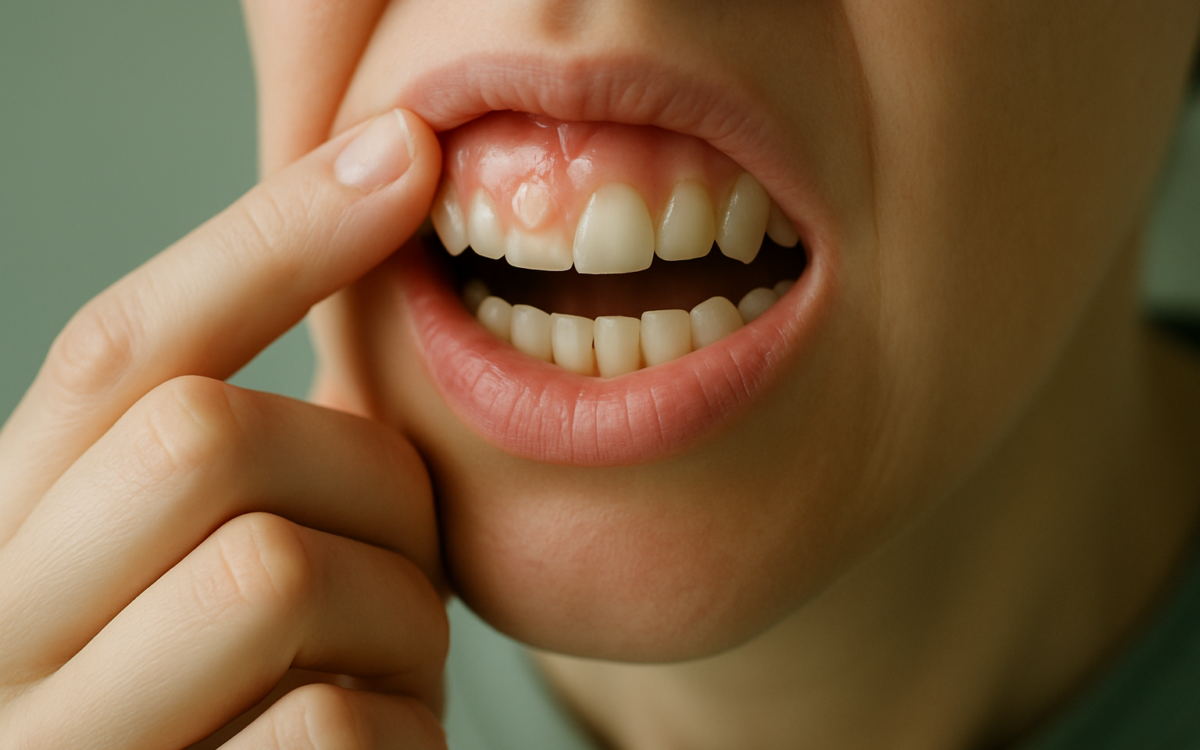
Experiencing white marks on your gums can be concerning, especially if accompanied by pain. These white spots can arise from various conditions, some benign and others requiring attention. Understanding what these marks signify and how to manage associated discomfort can help you maintain better oral health.
What Causes White Marks on Gums?
White marks on the gums can result from a variety of factors. Here are some common causes:
- Candidiasis: This fungal infection, also known as oral thrush, leads to white patches on the gums and other areas of the mouth. It can cause discomfort and a burning sensation.
- Leukoplakia: This condition is characterized by thick white patches on the gums, tongue, or inside of the cheeks. While often benign, leukoplakia can sometimes indicate precancerous changes.
- Aphthous Ulcers: Commonly known as canker sores, these painful lesions occur on the gums and can present as small white or yellowish spots surrounded by red inflammation.
- Allergic Reactions: Sensitivities to certain foods, dental products, or medications can lead to white patches and irritation in your mouth.
- Trauma or Injury: Abrasions from dental work, such as braces or ill-fitting dentures, can result in white spots or swelling.
Symptoms Associated with Pain
If you notice white marks on your gums along with pain, several symptoms may be present, including:
- Swelling and redness around the white marks.
- Soreness in the gums, making it painful to eat or brush your teeth.
- Bad breath or an unpleasant taste in the mouth.
- Difficulty swallowing or chewing.
Diagnosis and Evaluation
Diagnosing the cause of white marks on the gums typically involves a visit to your dentist or healthcare provider. They may perform the following:
– Visual Examination: A physical check of your mouth and gums to identify the lesions and assess their nature.
– Medical History Review: Discussing your dietary habits, hygiene practices, and any recent medications or dental procedures.
– Biopsy: In rare cases, a small tissue sample may be taken to rule out serious conditions.
Treatment Options for Pain Relief
Treatment for white marks on gums and associated pain varies depending on the underlying cause:
- Antifungal Medications: If oral thrush is diagnosed, your doctor may prescribe antifungal medication to clear the infection.
- Topical Corticosteroids: These can reduce inflammation and relieve pain for conditions like leukoplakia and canker sores.
- Oral Hygiene Improvements: Maintaining good oral hygiene, including regular brushing and flossing, can help prevent further irritation and promote healing.
- Dietary Changes: Avoiding spicy, acidic, or irritating foods can help reduce pain and prevent further lesions.
Preventive Measures
Taking proactive steps can help minimize the risk of developing white marks on your gums:
- Regular dental check-ups to catch any issues early.
- Maintaining a balanced diet rich in vitamins and minerals.
- Staying hydrated to keep your mouth moist.
- Practicing good oral hygiene, including brushing twice a day and flossing daily.
- Avoiding tobacco products and excessive alcohol consumption.
When to See a Doctor
If you notice persistent white marks on your gums that do not improve within two weeks, experience severe pain, or have difficulty eating or speaking, seek professional medical advice. Other concerning signs include fever, swollen lymph nodes, or white patches that bleed easily.
Conclusion
White marks on your gums can be troubling, but understanding their potential causes and symptoms can help you navigate your concerns. Whether benign or a sign of a more serious condition, taking proper care of your oral health and consulting with a healthcare provider when necessary is crucial. For more information on oral health, you can visit reputable sources like the Mayo Clinic or the CDC.
