
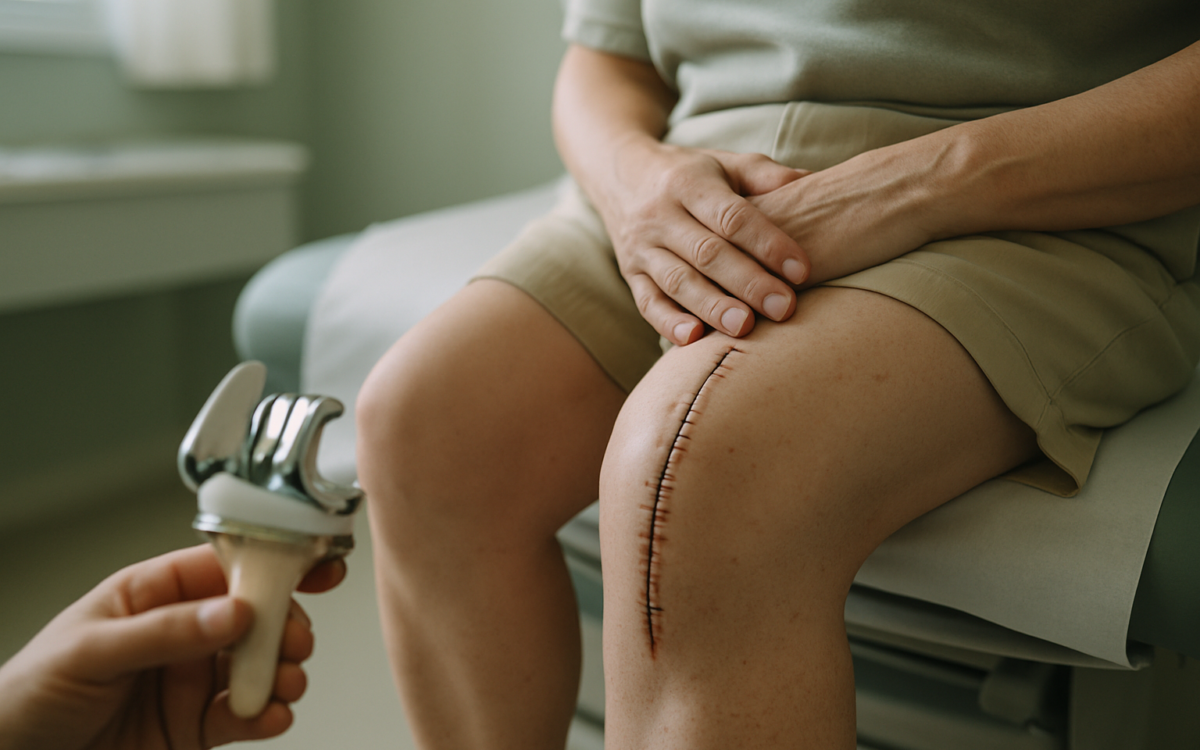
As we age or encounter injuries, our joints can start to wear out, leading to pain and reduced mobility. One significant surgical option for those struggling with severe knee issues is a whole knee replacement. This procedure can help restore function and alleviate chronic pain, but it’s essential to understand what it entails before making decisions. In this article, we’ll guide you through the entire process of whole knee replacement, from what to expect pre-surgery to rehabilitation and recovery.
What is Whole Knee Replacement?
A whole knee replacement, also known as total knee arthroplasty, involves removing damaged cartilage and bone from the knee joint and replacing them with artificial components, known as prosthetics. This surgery is typically performed on patients suffering from severe arthritis or joint damage that results in persistent pain and functional restrictions.
Why Might You Need a Whole Knee Replacement?
Patients often consider this surgery when other treatments, such as medication or physical therapy, have failed to relieve pain. Here are some common reasons someone might need a total knee replacement:
- Osteoarthritis: This degenerative joint disease is the most common reason for joint replacements, marked by the wear and tear of cartilage.
- Rheumatoid Arthritis: An autoimmune condition that can cause severe inflammation and deformity of the joints.
- Post-Traumatic Arthritis: Damage to the knee joint from an injury can lead to pain and limitations.
- Other Conditions: People with other conditions affecting the knee may also benefit from a total knee replacement.
Preparing for Surgery
Before undergoing whole knee replacement surgery, your medical team will conduct various assessments to ensure your safety and the best outcomes. This preparation may involve:
- Medical Evaluation: A thorough health assessment including blood tests and imaging studies to evaluate the knee condition.
- Medications: Discussion about current medications; you may need to stop blood thinners or adjust other medications.
- Physical Therapy: You might begin a physical therapy regimen to strengthen the muscles around your knee.
- Lifestyle Adjustments: You may be advised to lose weight or make other changes to facilitate recovery.
The Surgical Procedure
The actual surgery is generally completed in a hospital under either general or spinal anesthesia. Here’s a broad overview of the surgical process:
- Incision: A cut is made about 6 to 8 inches long at the front of the knee.
- Removal of Damaged Tissue: The surgeon removes the damaged ends of the femur (thigh bone) and tibia (shin bone), as well as any damaged cartilage.
- Placement of Prosthetic: The artificial components are assembled into the knee socket, mimicking the natural curvature and function of a healthy knee.
- Closure: The incision is stitched or stapled closed, and the knee is bandaged.
This surgical process typically takes 1 to 2 hours. The length may vary based on the complexity of the individual case.
Post-Operative Care and Rehabilitation
Once the surgery is complete, recovery begins immediately. Doctors will generally have you start moving your knee within the first 24 hours. Here’s what you can expect in the recovery process:
- Hospital Stay: You may stay in the hospital for 1 to 3 days to monitor your recovery and manage pain.
- Rehabilitation: Physical therapy begins soon after surgery and is essential for regaining mobility. Your physical therapist will design a personalized plan to help you regain strength and movement.
- Managing Pain: Your healthcare team will prescribe medications to help manage pain and reduce swelling.
- Long-Term Recovery: While many patients return to regular activities within 3 to 6 months, complete healing may take up to a year.
For those seeking options beyond their local healthcare systems, exploring treatment in Turkey can also be worthwhile. Some international medical centers specialize in knee replacement surgeries, offering expertise and advanced techniques.
Potential Risks and Complications
Like any major surgery, whole knee replacements come with risks. Understanding these risks can help you make an informed decision:
- Infection: Infections can occur, particularly around the incision site.
- Blood Clots: There is a risk of blood clots forming in the legs following surgery.
- Prosthesis Problems: In some cases, the prosthetic may loosen or fail over time, leading to pain or reduced mobility.
- Additonal Surgeries: Some patients may require follow-up surgeries to address complications or to revise the prosthetic.
Consulting with a knowledgeable orthopedic surgeon will provide you with a thorough understanding of how to best prepare for and recover from the procedure.
When to See a Doctor
If you’re experiencing severe knee pain that limits your daily life or if you’ve been diagnosed with a condition affecting your knee joint that doesn’t improve with conventional treatments, it might be time to consult a medical professional. Key signs to look for include:
- Chronic pain that persists even at rest.
- Swelling that doesn’t go down.
- Limited range of motion or difficulty with everyday activities.
- Symptoms interfering with your quality of life.
Conclusion
Whole knee replacement is a significant procedure that can provide profound benefits for individuals suffering from severe knee issues. While the surgery is not a quick fix, it can lead to improved mobility and quality of life. By understanding the process and what to expect, you can make an informed decision about whether this life-changing surgery is right for you.
