
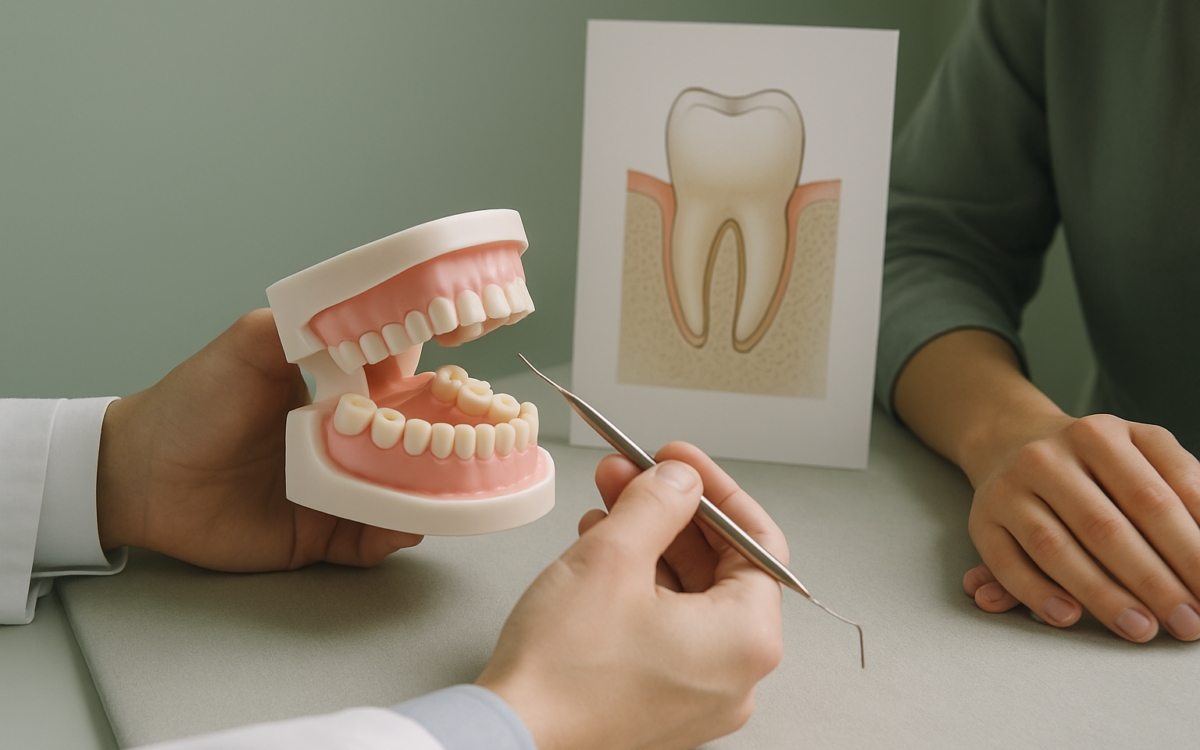
Most of us have heard the stories: wisdom teeth are often seen as a nuisance, yet they have intriguing origins. These third molars, commonly known as wisdom teeth, have sparked curiosity as they come in during our late teens or early twenties—an age when we are often searching for our own identity and understanding the world better. But why do we even have these teeth, and what purpose do they serve?
The Evolutionary Background of Wisdom Teeth
Wisdom teeth are evolutionary remnants from our ancestors. Early humans had a diet primarily composed of coarse foods like roots, leaves, and tough meats that required a robust set of teeth for chewing. Our early ancestors had larger jaws and more teeth—often a total of 32, including the third molars. These additional teeth provided the needed capability to grind down hard foods, making it easier to eat and digest.
As human diets changed over time, particularly with the advent of cooking and agriculture, our jaws became smaller. According to the National Institutes of Health, this evolutionary shift led to a mismatch between jaw size and the number of teeth we have. Today, many people have jaws that are too small to accommodate wisdom teeth, leading to various dental issues.
What Happens When Wisdom Teeth Erupt?
The eruption of wisdom teeth usually occurs between the ages of 17 and 25. For some, this process goes smoothly, and the teeth emerge without any complications. However, many experience issues such as:
- Impaction: When there isn’t enough space in the jaw for the wisdom teeth to properly emerge, they may become impacted, causing pain and swelling.
- Crowding: New teeth can push against neighboring teeth, resulting in misalignment.
- Infection: Partially erupted wisdom teeth can trap bacteria and food, leading to infections and gum disease.
These complications often lead to the need for extraction, as impacted or misaligned wisdom teeth can cause more harm than good.
Signs and Symptoms of Wisdom Tooth Problems
While some individuals may not experience issues with their wisdom teeth, others may find themselves facing several symptoms. These can include:
- Pain at the back of the mouth
- Swelling or redness in the gums
- Difficulty opening the mouth
- Bad breath or an unpleasant taste in the mouth
- Headaches or jaw pain
If you notice any of these symptoms, it can be a sign that your wisdom teeth might be causing problems. Awareness of these signs and consulting a dental professional can help manage potential complications early.
The Role of Dental Professionals
Regular dental visits are essential for monitoring the development of wisdom teeth. A dentist can take X-rays to assess the position of the wisdom teeth and determine if they are likely to cause problems.
Preemptive Care: If an issue is detected, your dentist can recommend the best course of action, which may include:
- Regular Monitoring: Keeping track of wisdom teeth to see if they change in position or cause issues.
- Extraction: If the wisdom teeth are causing significant problems, removal might be necessary. The Mayo Clinic discusses various approaches to extraction based on individual needs.
How to Care for Your Wisdom Teeth
Whether your wisdom teeth are fully erupted or still beneath the gums, it’s essential to maintain good oral hygiene. Here are some tips to keep your mouth healthy:
- Brush twice a day with fluoride toothpaste and floss daily to minimize the risk of cavities and gum disease.
- Use an antibacterial mouthwash to help reduce plaque and bacteria around the back molars.
- Eat a balanced diet to maintain oral health and reduce sugar intake that can contribute to decay.
Being proactive about your oral hygiene can help keep your wisdom teeth and surrounding gums healthy, whether they function well or need to be removed.
When to See a Doctor
If you’re experiencing pain or discomfort in the area of your wisdom teeth, it’s wise to consult a dentist. They can assess whether your wisdom teeth pose a threat to your dental health and recommend appropriate action.
Conclusion
Wisdom teeth may seem like an unnecessary burden, but their evolutionary history provides valuable insight into our dental health. Understanding their purpose, the problems they can cause, and how to care for them can help you make informed choices about your dental health. Remember, regular check-ups with your dentist play a vital role in ensuring that your wisdom teeth don’t become a source of complications. Being aware and proactive can keep your smile healthy for years to come.
