
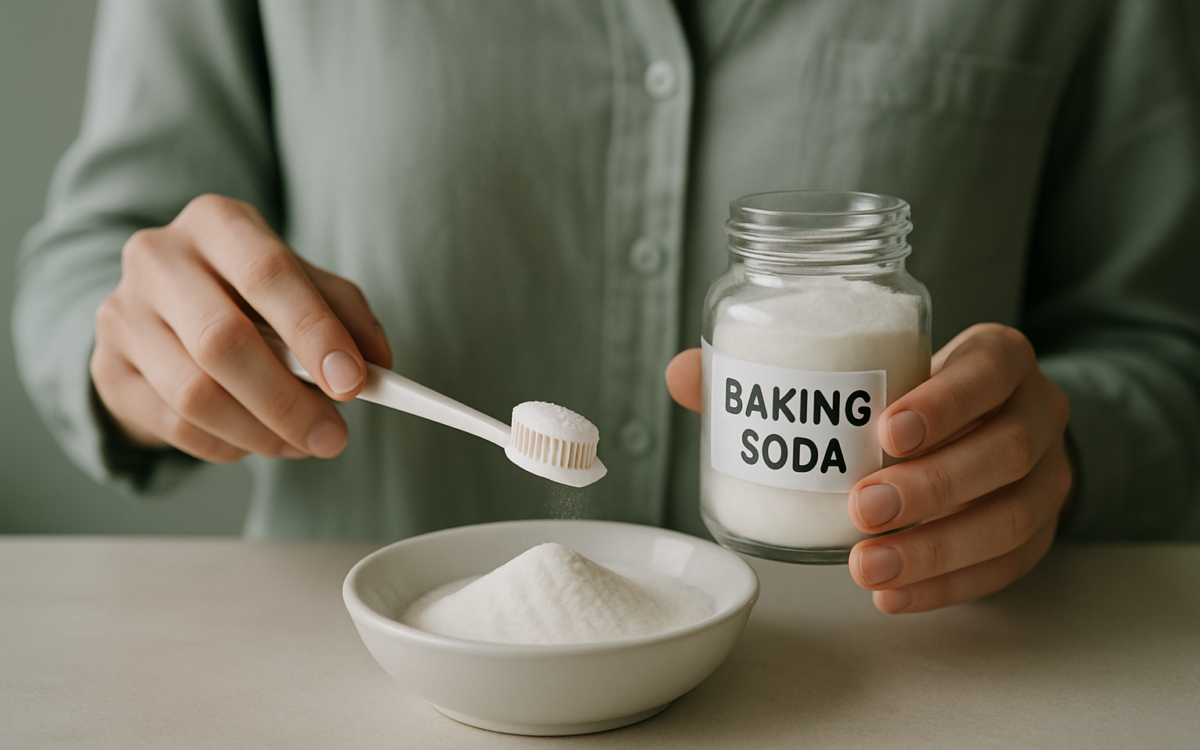
When it comes to maintaining a bright and healthy smile, many people are exploring alternative methods for their dental hygiene routine. One such method is brushing teeth with baking soda. This simple household item has gained popularity for its potential benefits in oral health. But is it really effective? Let’s dig into the details about baking soda and its impact on dental health.
What is Baking Soda?
Baking soda, or sodium bicarbonate, is a finely powdered, white substance commonly used in baking. It acts as a leavening agent, helping dough rise. However, its uses extend beyond the kitchen. This versatile compound has antifungal and antibacterial properties, making it a popular choice for various cleaning tasks, both in the home and for personal care.
How Baking Soda Benefits Dental Health
Brushing your teeth with baking soda can offer several advantages:
- Whitening Effect: Baking soda is mildly abrasive, which can help remove surface stains from teeth. Many commercial whitening toothpastes contain baking soda for this reason.
- Neutralizes Acids: The alkaline nature of baking soda helps neutralize acids produced by bacteria in the mouth. This can be particularly beneficial for preventing tooth decay.
- Fresher Breath: The antibacterial properties of baking soda can reduce odor-causing bacteria, leading to fresher breath.
How to Safely Brush with Baking Soda
Using baking soda for your dental routine involves a few straightforward steps:
- Mix a Paste: Combine one teaspoon of baking soda with a few drops of water to create a paste.
- Brush Gently: Apply the paste to your toothbrush and brush your teeth gently for about two minutes.
- Rinse Thoroughly: After brushing, rinse your mouth well to ensure all baking soda is removed.
Experts recommend using this method only a few times a week to avoid potential enamel wear from the abrasiveness of baking soda. Regular toothpaste should still be your primary dental care product.
Potential Risks of Using Baking Soda
While baking soda has its advantages, it is essential to be aware of its potential drawbacks:
- Enamel Erosion: Frequent use of abrasive substances can wear down tooth enamel over time, leading to increased sensitivity and a higher risk of cavities.
- Connection to Gum Health: Some individuals may experience irritation of their gums from using baking soda, especially if they brush too vigorously.
- Not a Substitute for Fluoride: Baking soda does not contain fluoride, which is crucial for strengthening teeth and preventing decay.
Global Perspectives on Baking Soda for Oral Hygiene
In many parts of the world, the use of baking soda for dental hygiene is not new. In some cultures, it has been employed for centuries as a natural alternative to commercial toothpaste. For individuals seeking international treatment options and innovative dental practices, resources like Acibadem International can provide insights into conventional and alternative methods tailored to different dental needs.
Expert Opinions on Baking Soda Use
Many dental professionals have weighed in on the topic of baking soda as an oral care product. The American Dental Association (ADA) acknowledges the benefits of baking soda but emphasizes that it should not replace traditional toothpaste, especially those with fluoride. Research published by the Oral Health Group suggests that individuals who incorporate baking soda into their oral care routine can experience positive results when done moderately.
It is essential to consult your dentist if you are considering adding baking soda to your dental hygiene routine. They can provide personalized advice based on your dental health history.
When to See a Doctor
If you experience persistent sensitivity, gum irritation, or any other concerns related to your dental health, it is best to consult a healthcare professional. A dentist can help identify the underlying issues and recommend treatments appropriate for your specific needs.
Ultimately, brushing with baking soda can be a useful supplement to your dental care routine if done with care. By striking the right balance between natural ingredients and traditional products, you can maintain a healthy, bright smile.
