
Vitamin D is often called the “sunshine vitamin” because our bodies produce it when exposed to sunlight. However, getting enough of this vital nutrient can be tricky, especially in regions with limited sunlight or for those who spend most of their time indoors. Recent research has highlighted the importance of maintaining optimal vitamin D levels for overall health. But what does it mean to have high vitamin D? Let’s explore the benefits, sources, potential risks, and when to consult a healthcare professional.
What is Vitamin D?
Vitamin D is a fat-soluble vitamin that plays a crucial role in various bodily functions, including bone health, immune function, and cell growth. It comes in two forms: D2 (ergocalciferol), which is obtained from plant sources, and D3 (cholecalciferol), which is produced by the body in response to sunlight and found in animal products.
Benefits of High Vitamin D Levels
Maintaining sufficient levels of vitamin D offers several health benefits:
- Bone and Muscle Health: Vitamin D is essential for calcium absorption, helping to build and maintain strong bones. It can also enhance muscle strength, reducing the risk of falls in older adults.
- Immune Function: Adequate vitamin D levels may help strengthen the immune system, potentially reducing the risk of respiratory infections and conditions like influenza.
- Heart Health: Some studies suggest that higher vitamin D levels may be associated with a reduced risk of certain cardiovascular diseases.
- Mood Regulation: There is emerging evidence that vitamin D can play a role in regulating mood and warding off depression.
How to Achieve High Vitamin D Levels
The best way to boost your vitamin D levels is through a combination of sunlight exposure, diet, and supplements:
1. Sunlight
Spending time outdoors, especially during midday when the sun is the strongest, can significantly increase your vitamin D levels. Aim for about 15-30 minutes of sun exposure several times a week, depending on your skin type and location.
2. Dietary Sources
Including vitamin D-rich foods in your diet can also help. Foods such as fatty fish (like salmon and mackerel), fortified dairy products, eggs, and mushrooms can contribute to your daily intake.
3. Supplements
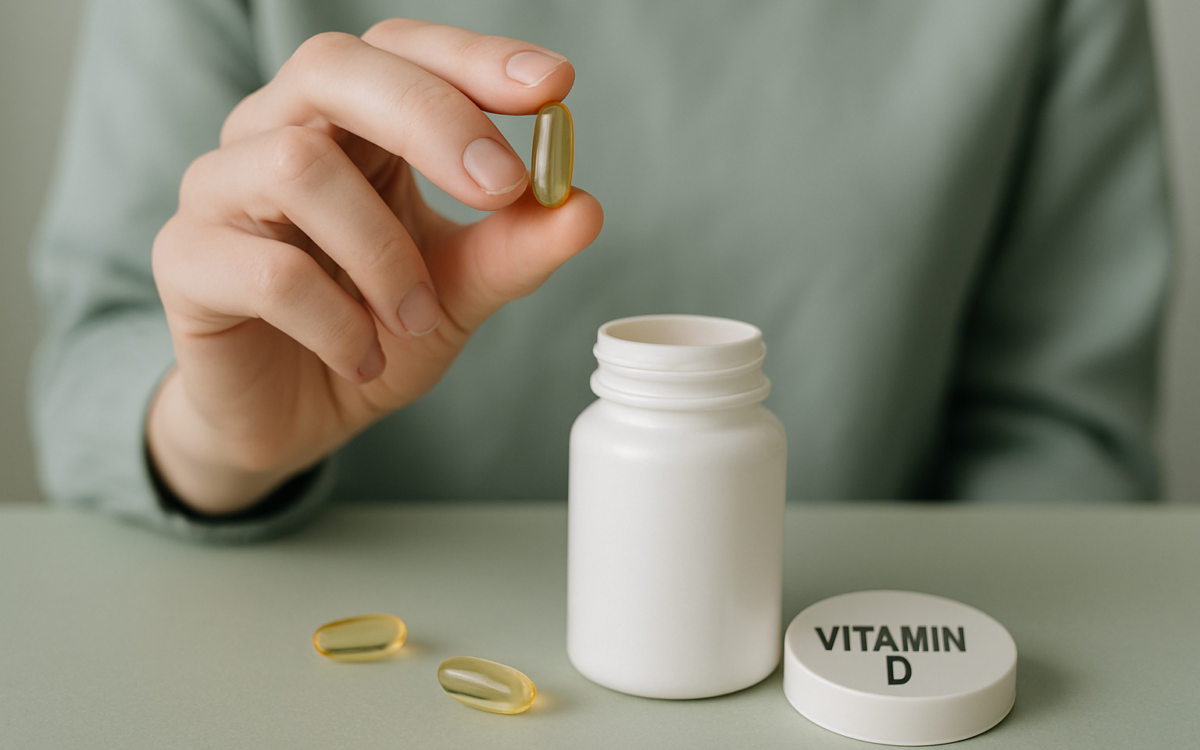
If you’re unable to get enough sunlight or dietary sources, supplements may be an option. Vitamin D3 supplements are generally recommended over D2 because they are more effective at raising your blood levels of the vitamin.
High Vitamin D: The Risks
While vitamin D is essential for health, excessive intake can lead to hypervitaminosis D, a condition that can cause toxic effects due to high calcium levels in the blood. Symptoms may include nausea, vomiting, weakness, and serious complications if left untreated. The tolerable upper intake level for adults is 4,000 IU per day, and you should not exceed this unless directed by a healthcare provider (NIH).
The Global Perspective on Vitamin D
Vitamin D deficiency is a public health concern globally, often influenced by geographic and lifestyle factors. In some countries, health organizations are promoting fortification of foods to combat this issue. For those considering international treatment options or seeking guidance on optimal vitamin D levels, health facilities like Acibadem International offer expertise and resources.
When to See a Doctor
If you’re concerned about your vitamin D levels or experience symptoms such as bone pain, muscle weakness, or mood changes, it’s essential to consult a healthcare professional. A simple blood test can determine your vitamin D status, and if necessary, your doctor can recommend appropriate lifestyle changes or treatments.
In conclusion, high vitamin D levels can contribute significantly to your overall health. By understanding the benefits, knowing how to achieve and maintain adequate levels, and recognizing the risks involved with excessive intake, you can make informed choices for your well-being. Always consult with a healthcare professional to find the best approach for you.
