
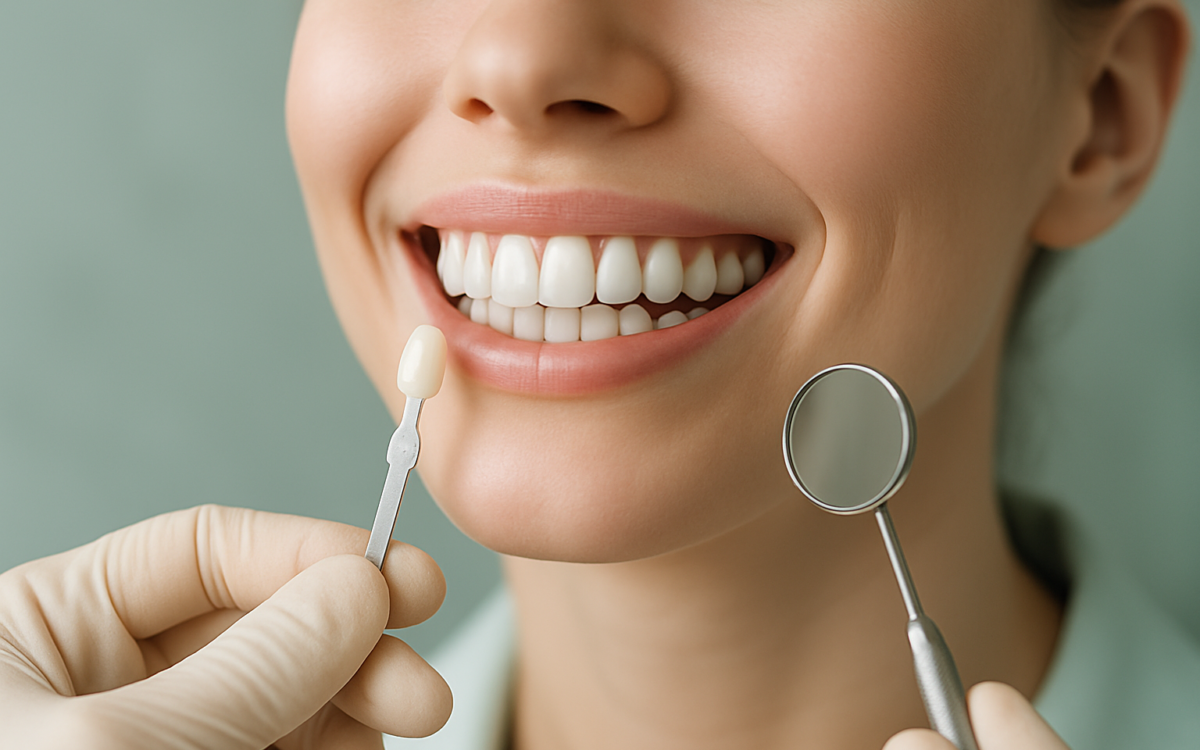
Having a bright, white smile can be a major confidence booster, influencing how we feel about ourselves and how others perceive us. Over the years, many people have sought various methods to achieve the whitest teeth possible. From home remedies to professional treatments, the options can be overwhelming. In this article, we will explore effective ways to attain a sparkling smile while maintaining good oral health.
Understanding Tooth Discoloration
Before diving into whitening techniques, it’s crucial to understand why teeth become discolored in the first place. Several factors contribute to tooth staining:
- Diet: Foods and beverages like coffee, tea, red wine, and certain fruits can stain teeth.
- Tobacco use: Smoking or chewing tobacco can lead to significant discoloration.
- Age: As we age, the enamel on our teeth wears down, revealing the yellower dentin beneath.
- Medications: Certain drugs, especially antibiotics like tetracycline, can cause staining, particularly in children.
- Genetics: Some people naturally have thicker enamel, which can affect the appearance of their teeth color.
Home Remedies for Whiter Teeth
Many individuals seek natural ways to achieve whiter teeth, often turning to products available at home. Here are some popular methods:
Baking Soda and Hydrogen Peroxide
A mixture of baking soda and hydrogen peroxide can act as a natural abrasive and whitening agent. Baking soda is mildly abrasive and can help remove surface stains. Hydrogen peroxide has bleaching properties. To use this remedy, mix one tablespoon of baking soda with two tablespoons of hydrogen peroxide to form a paste. Brush your teeth gently with the mixture for about two minutes, then rinse well. Remember not to use this method frequently, as excessive use can wear down enamel.
Apple Cider Vinegar
Apple cider vinegar has natural antibacterial properties and can help whiten teeth. However, it should be used cautiously due to its acidity. Mix one tablespoon of apple cider vinegar with water, and rinse your mouth with it for a minute or so, then brush your teeth as usual. Use this method sparingly to protect your enamel.
Over-the-Counter Whitening Products
If natural remedies are not your style, many over-the-counter (OTC) products can help you achieve whiter teeth.
Whitening Toothpaste
These toothpastes contain mild abrasives and chemical agents that help remove surface stains. Look for toothpaste with the American Dental Association (ADA) seal of acceptance to ensure its safety and efficacy.
Whitening Strips and Gels
Whitening strips are thin, flexible plastic strips coated with a peroxide-based whitening gel. They are easy to apply and can show results in just a few days. Gels are applied directly to your teeth using a small brush. Both products vary in concentration, so follow the manufacturer’s instructions carefully.
Professional Whitening Treatments
For those seeking faster and more dramatic results, professional whitening treatments conducted by a dentist are an excellent option.
In-Office Bleaching
During an in-office treatment, a dentist applies a stronger bleaching agent to your teeth, sometimes using a special light to enhance results. This approach can lighten your teeth several shades in a single visit, typically lasting between 30 to 90 minutes. It’s important to discuss the pros and cons with your dentist beforehand.
Custom Whitening Trays
Your dentist can create custom trays that fit snugly over your teeth, allowing for a more even application of the whitening gel. You’ll receive a professional-grade product that you can use at home for several days or weeks, depending on the instructions provided. This method usually offers more dramatic results than OTC products.
Maintaining Whiter Teeth
Once you’ve achieved the whitest teeth possible, maintaining that brightness is essential. Here are some tips:
- Regular Brushing: Brush your teeth at least twice a day with fluoride toothpaste to prevent stains.
- Limit Staining Foods: Reduce your consumption of coffee, tea, red wine, and berries, or brush your teeth after enjoying them.
- Stay Hydrated: Drinking plenty of water can help wash away food particles and stains.
- Routine Dental Checkups: Visit your dentist regularly for cleanings and checkups to keep your teeth healthy and white.
When to See a Doctor
If you experience persistent discoloration despite regular whitening treatments, it may be a sign of underlying dental issues. Additionally, if you notice increased sensitivity while using whitening products, it’s advisable to consult a dentist to explore alternative options.
Conclusion
Achieving the whitest teeth possible can be a rewarding journey that enhances your confidence and smile. Whether you opt for home remedies, over-the-counter products, or professional treatments, understanding your options is key. Always prioritize oral health and consult with your dentist to find the best whitening method for you. With diligence and care, your bright smile can shine through!
