
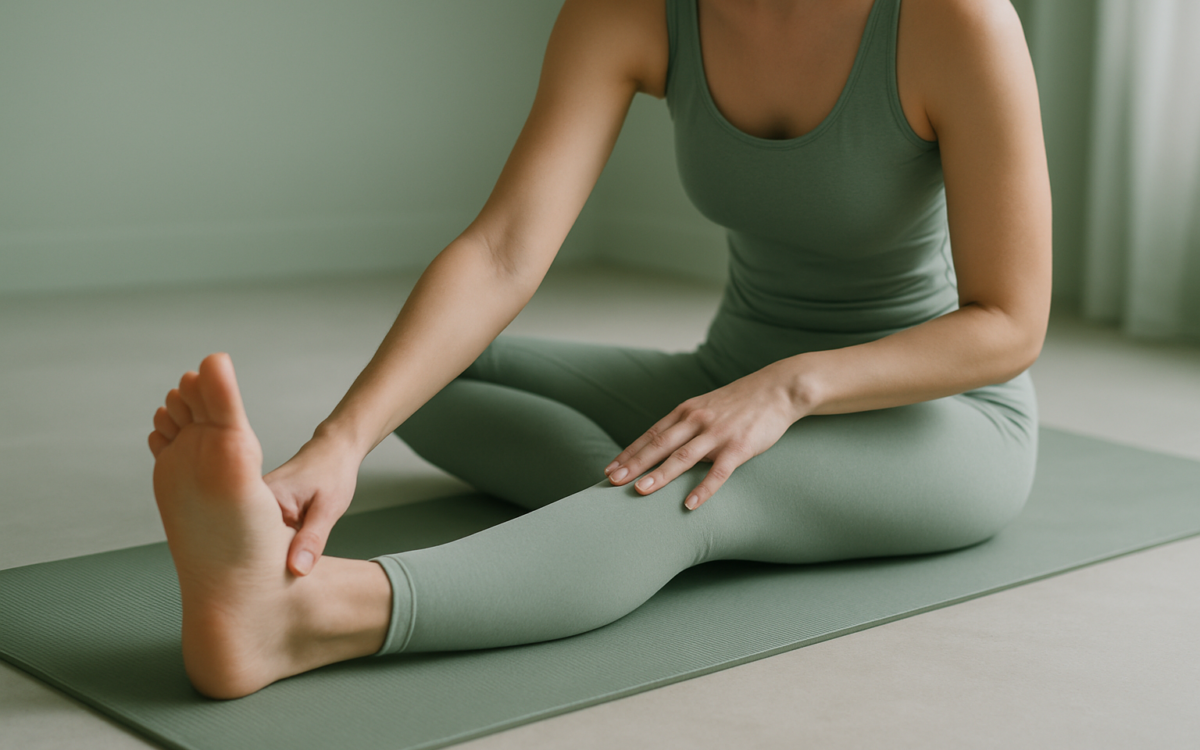
Flexibility is an essential component of physical fitness that often gets overlooked. It refers to the range of motion in your joints and muscles, allowing your body to move more freely and efficiently. Improving your flexibility not only enhances your athletic performance but also contributes to overall well-being, reduces the risk of injury, and alleviates muscle stiffness. Whether you’re a beginner or simply looking to regain your lost flexibility, here are some practical steps to help you achieve your goals.
Understanding Flexibility
Flexibility is influenced by various factors, including age, genetics, and activity level. As we age, our muscles tend to lose elasticity, which can lead to stiffness and discomfort. Additionally, a sedentary lifestyle can exacerbate these issues. Understanding these factors can help you acknowledge where you stand and what steps to take next.
Benefits of Flexibility
- Injury Prevention: Improved flexibility can help prevent injuries by enabling joints and muscles to move through a full range of motion.
- Enhanced Performance: Flexibility can improve your performance in physical activities, from sports to daily tasks.
- Pain Relief: Stretching can alleviate muscle tension and discomfort, leading to a more comfortable daily experience.
- Better Posture: Flexibility contributes to better body alignment, which can help reduce strain on muscles and alleviate back pain.
Getting Started: Simple Stretching Techniques
To improve your flexibility, integrating a regular stretching routine into your daily life is essential. Here are some techniques to get you started:
Dynamic Stretching
This type of stretching involves movement and is typically performed before workouts. Dynamic stretches prepare your muscles for activity by increasing blood flow and improving range of motion. Examples include:
- Leg swings
- Walking lunges
- Arm circles
Static Stretching
Static stretches are held for a period, typically 15-60 seconds, and are best performed after workouts when your muscles are warm. Examples include:
- Forward bend (hamstring stretch)
- Cobra pose (for the lower back and abdominal area)
- Shoulder stretch
Incorporating Flexibility Training into Your Routine
Here are some tips for integrating flexibility training into your regular exercise routine:
- Warm Up Before Stretching: Always warm up with light aerobic activity, like walking or jogging, before stretching to prevent injury.
- Set a Schedule: Aim to stretch at least three times a week, incorporating both dynamic and static stretches.
- Listen to Your Body: Stretch to the point of mild discomfort, never pain. If something doesn’t feel right, ease off.
- Consider Yoga or Pilates: Both practices emphasize flexibility and can help improve your overall strength and balance.
Nutrition and Hydration: Supporting Your Flexibility
Your diet can play a crucial role in your overall physical fitness, including flexibility. Staying well-hydrated and consuming a balanced diet rich in nutrients can help your muscles recover and function optimally. Here are some dietary tips:
- Stay Hydrated: Water helps keep your muscles hydrated and functioning effectively.
- Eat Protein: Incorporate lean proteins like chicken, fish, and legumes to support muscle recovery.
- Include Omega-3 Fatty Acids: Foods like salmon and walnuts can help reduce inflammation in your muscles.
Tracking Your Progress
Monitoring your flexibility progress can keep you motivated. Consider recording your stretching sessions, measuring the distance you reach, or noting any improvements in your athletic performance. Progress can be slow, so celebrate small victories along the way!
When to See a Doctor
If you experience persistent pain or discomfort while stretching, consult a healthcare professional. They can provide guidance tailored to your individual conditions and needs. Additionally, if you have a history of injuries or chronic conditions, it’s wise to discuss your flexibility goals with your doctor.
In conclusion, improving your flexibility is a rewarding journey that enhances your quality of life. By committing to a consistent stretching routine, attending to your body’s needs through nutrition, and being mindful of your progress, you can unlock your body’s potential for movement and wellness.
