
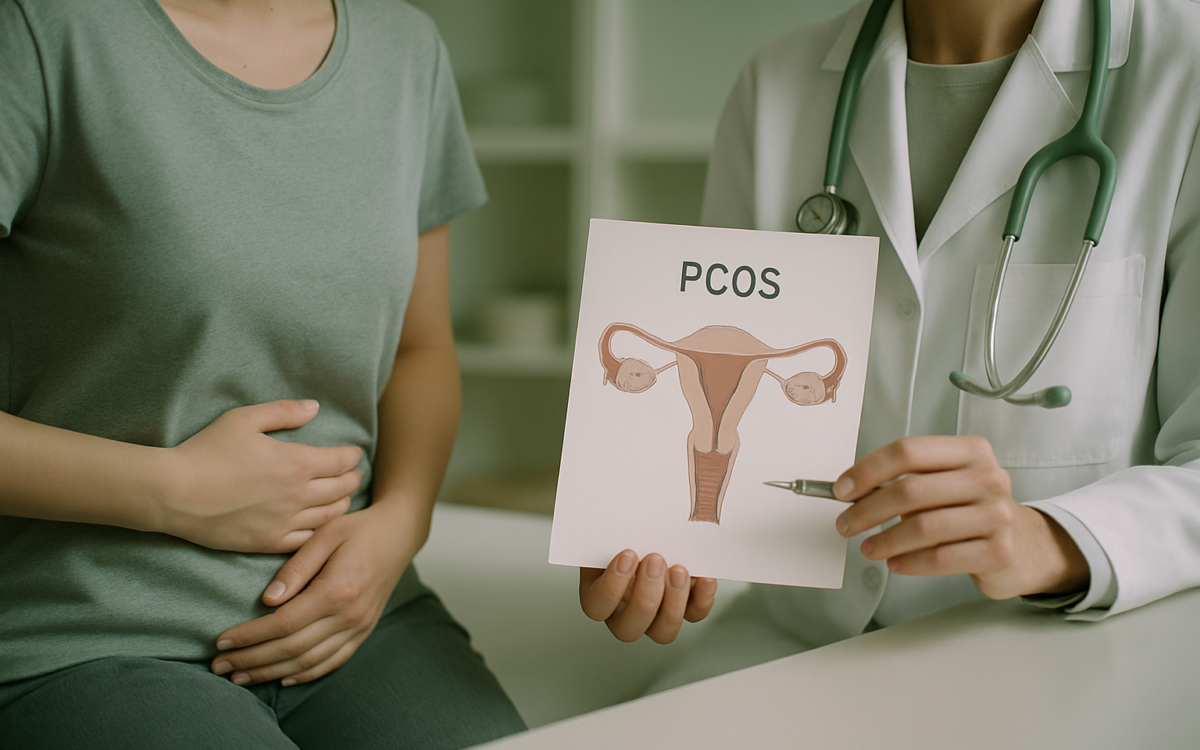
Polycystic Ovary Syndrome, commonly known as PCOS, affects millions of women worldwide. Despite its prevalence, many people don’t understand what causes this complex condition. PCOS can lead to a range of symptoms, including irregular menstrual cycles, weight gain, and even difficulties with fertility. Understanding the factors behind PCOS may help those affected manage their symptoms more effectively.
What is PCOS?
PCOS is a hormonal disorder characterized by the presence of multiple cysts on the ovaries, which can be detected through ultrasound. However, not all women with PCOS develop cysts. The syndrome can vary significantly among individuals, contributing to different symptoms and experiences. It’s essential to recognize that while PCOS is a common condition, each diagnosis can look quite different.
Hormonal Imbalances
One major cause of PCOS lies in hormonal imbalances. Women with PCOS often have elevated levels of androgens, which are sometimes referred to as male hormones. This overproduction can disrupt the normal functioning of the ovaries, leading to irregular ovulation. The relationship between hormones in the body is delicate, and any disruptions can have far-reaching implications for health.
Insulin Resistance
Insulin resistance is another significant factor in the development of PCOS. In simple terms, insulin is a hormone that helps the body use sugar for energy. When cells become resistant to insulin, the body produces more of it to compensate. This elevated insulin level can cause the ovaries to produce more androgens, exacerbating the symptoms of PCOS. Studies have shown that many women with PCOS also have insulin resistance, which can contribute to weight gain and difficulty losing weight
Genetic Factors
Genetics may also play a role in the development of PCOS. If a woman has a mother or sister with PCOS, her likelihood of having the condition increases. Research suggests that certain genes may be involved in processes related to hormone production and insulin response. As researchers delve deeper into genetic studies, the hope is to reveal more about how hereditary factors can contribute to the development of PCOS.
Environmental Influences
Beyond genetics, environmental factors can also contribute to the onset of PCOS. For instance, excessive exposure to endocrine disruptors—chemicals that can interfere with hormone function—may influence hormonal balance. Lifestyle factors, such as diet and physical activity, also play a significant role. A sedentary lifestyle and a poor diet high in processed foods can increase insulin resistance, making PCOS symptoms more severe.
Treatment Options Around the World
With an increased understanding of PCOS, various treatment options are gradually becoming available. These can include lifestyle changes, medication, and even surgical options to manage symptoms. In some cases, treatments may vary internationally based on availability and healthcare systems. For example, countries like Turkey are gaining recognition for their advanced healthcare services. Facilities like Acibadem International offer specialized care for those struggling with endocrine disorders, such as PCOS, reflecting a growing awareness of women’s health issues globally.
Living with PCOS
Living with PCOS can be challenging, but understanding its causes empowers women to seek appropriate management and treatment options. While the condition is chronic and can present various challenges, many women lead full and healthy lives with the right support. Monitoring symptoms, maintaining a healthy lifestyle, and collaborating with healthcare providers can significantly improve one’s quality of life.
When to See a Doctor
If you suspect you may have PCOS based on irregular menstrual cycles, unexplained weight gain, or other symptoms, it is essential to consult a healthcare professional. Early diagnosis and intervention can help manage symptoms and improve overall health.
In conclusion, understanding the causes of PCOS is a step towards better management and treatment. By addressing factors like hormonal imbalances, insulin resistance, and genetics, women can take charge of their health and seek the support they need.
