
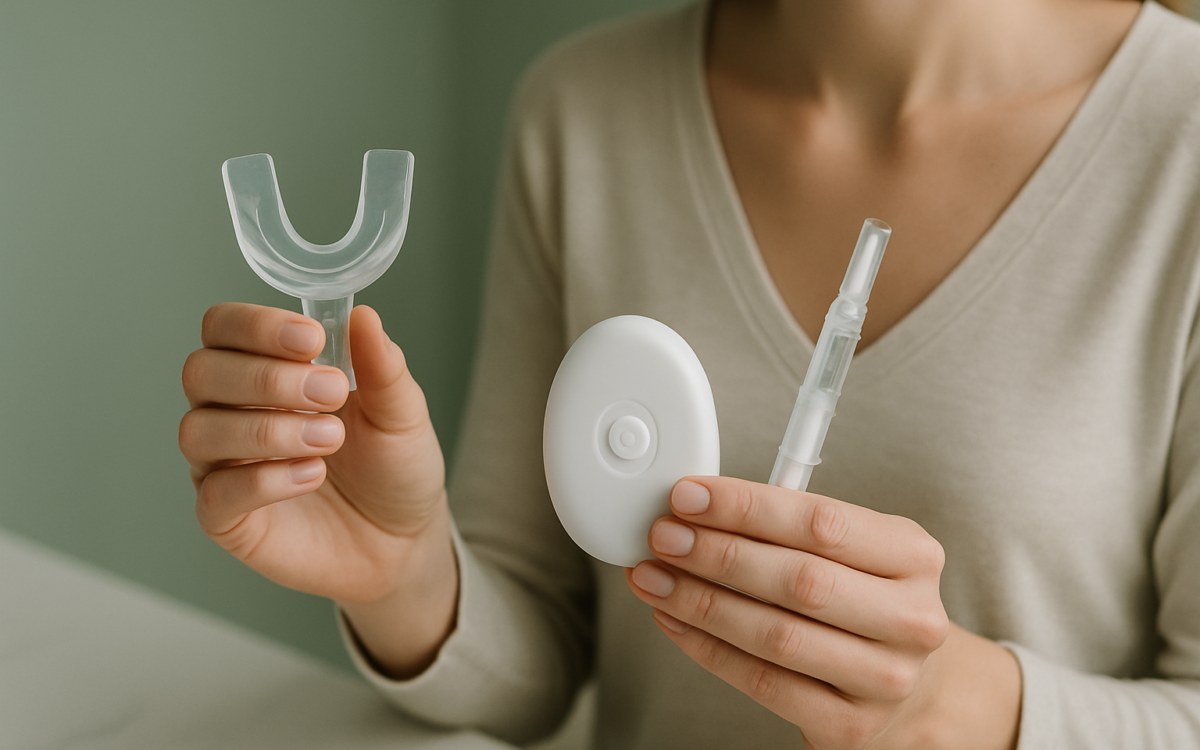
Brightening your smile can boost your confidence and enhance your appearance. Teeth whitening kits are a popular choice for individuals looking to remove stains and achieve a brighter smile from the comfort of their home. But with so many options available, understanding how these kits work, the safety of their ingredients, and how to use them effectively is essential. Let’s dive into the world of teeth whitening kits and explore everything you need to know.
What Are Teeth Whitening Kits?
Teeth whitening kits are products designed to lighten the color of your teeth, making them look whiter and brighter. They come in various forms, including strips, gels, trays, or pens. Most of these products contain peroxide in varying concentrations, which works to break down stains on the teeth that occur from foods, drinks, smoking, and aging.
Types of Teeth Whitening Kits
There are mainly two types of teeth whitening kits: over-the-counter (OTC) and professional-grade kits.
Over-the-Counter Kits
OTC teeth whitening kits are readily available in pharmacies and online. Common forms include:
- Whitening Strips: Thin, flexible plastic strips coated with a whitening gel that you apply directly to your teeth.
- Whitening Gels: These come with a brush applicator and are directly applied to the teeth for a specific period.
- Whitening Trays: Custom or generic fitted trays that hold the whitening gel against your teeth for effective treatment.
These kits are user-friendly and typically come with instructions. However, results may vary based on the product and the initial shade of your teeth.
Professional Kits
Your dentist can provide a more potent teeth whitening treatment. Professional-grade kits use higher concentrations of peroxide and may offer quicker results. Options include:
- In-Office Treatments: Professional whitening performed at your dentist’s office, offering immediate results.
- Take-Home Kits: Custom-fitted trays for use at home, typically with a stronger gel than OTC options.
Professional treatments often provide more consistent results and may be safer, as they’re monitored by a dental professional.
How Do Teeth Whitening Kits Work?
The active ingredient in most teeth whitening kits is hydrogen peroxide or carbamide peroxide. When applied to the teeth, these compounds break down into smaller molecules that penetrate the enamel and dentin layers, effectively breaking down stains. The process can take from a few days to several weeks, depending on the type of kit and its concentration.
According to the National Institutes of Health, using these products as directed can lead to significant improvements in teeth brightness, but maintaining oral hygiene is crucial for long-term results. Regular dental check-ups will also help keep your teeth healthy throughout the whitening process (NIH).
Are Teeth Whitening Kits Safe?
Most studies indicate that teeth whitening kits are safe for the majority of people when used as instructed. However, overuse or misuse can lead to side effects such as tooth sensitivity or gum irritation. Some tips for safe usage include:
- Follow the manufacturer’s instructions precisely.
- Avoid using multiple whitening products simultaneously.
- Consult with your dentist if you have sensitive teeth or existing dental issues.
- Limit use to the recommended duration; prolonged exposure can damage enamel.
Moreover, the American Dental Association suggests discussing whitening options with your dentist to find a safe and personalized approach based on your oral health condition (ADA).
Tips for Effective Teeth Whitening
To maximize the effectiveness of your teeth whitening kit, consider the following:
- Maintain Oral Hygiene: Brush and floss daily to remove plaque and food particles.
- Avoid Staining Foods and Drinks: Limit your intake of coffee, tea, red wine, and dark berries.
- Use a Straw: When consuming drinks that can stain teeth, using a straw can help reduce contact.
- Consult Your Dentist: Before starting a whitening regimen, get your teeth checked to ensure there are no underlying issues that need attention.
Common Myths About Teeth Whitening
There are many misconceptions about teeth whitening that can create confusion. Here are a few common myths debunked:
- Whitening Damages Enamel: While overuse can lead to sensitivity, professional products if used correctly are designed to be safe for enamel.
- All Products Work the Same: The effectiveness of whitening varies by product type and individual circumstances.
- Whitening Works on All Teeth: Teeth with crowns, veneers, or other restorations may not respond to whitening in the same way as natural teeth.
When to See a Doctor
If you experience prolonged sensitivity, gum irritation, or allergic reactions, it’s a good idea to consult your dentist. Additionally, if you’re considering whitening and have dental issues such as cavities or gum disease, seeking professional advice is essential before starting any whitening treatment.
Teeth whitening kits are a popular and generally safe way to brighten your smile, but like any product, they should be used responsibly. With careful consideration and proper care, you can achieve a beautiful, bright smile.
